No Linear Donor Scar
Follicular units are removed individually, avoiding the single linear scar normally created by FUT strip harvesting.
Follicular Unit Excision
FUE hair transplant treatment in Edinburgh involves removing individual follicular units from a suitable donor area before placing them into areas affected by hair loss. Suitability depends on the diagnosis, donor supply, scalp health, treatment area and likely future pattern of thinning.
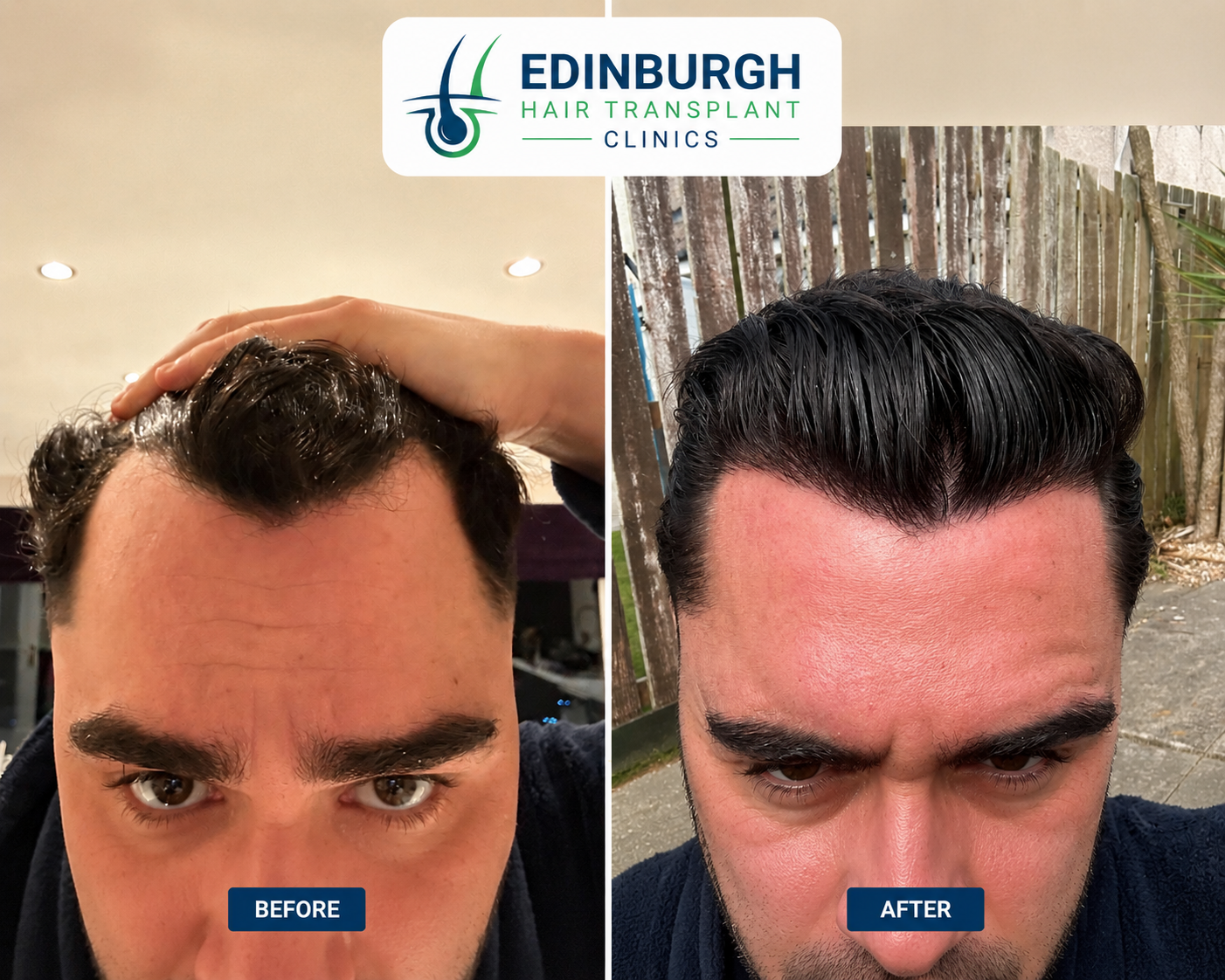
Hair naturally grows in small groups called follicular units. During an FUE procedure, these units are separated individually from a planned donor area, usually at the back and sides of the scalp.
Each graft is prepared before being placed into small recipient sites within the treatment area. The position, angle and direction of the sites are planned to complement the patient’s existing pattern of hair growth.
FUE avoids the single linear scar associated with strip surgery, but it is not scarless. It leaves multiple small circular scars where follicular units have been removed.
FUE may offer advantages for selected patients, but it is not automatically the most appropriate donor method for every pattern of hair loss.
Follicular units are removed individually, avoiding the single linear scar normally created by FUT strip harvesting.
Small circular scars may be less conspicuous beneath shorter donor hair, although visibility varies with healing, skin type, density and extraction.
Extraction can be spread across an appropriate donor zone rather than being taken from one strip of scalp.
The small donor wounds are normally left to heal without the sutures or staples associated with strip surgery.
Every extraction creates a small wound and scar. Excessive or concentrated harvesting may leave visible donor-area thinning.
Transplantation redistributes existing follicles. Untreated natural hair may continue to thin, so long-term planning remains important.
The details vary between patients. Surgery should only proceed after the diagnosis, donor area, medical history, proposed design, costs and recovery arrangements have been discussed.
The consultation considers the pattern and progression of hair loss, scalp health, medical history, previous treatment and available donor supply.
The treatment area and proposed design are agreed, and appropriate donor boundaries are identified before extraction begins.
Local anaesthetic is used to numb the donor and recipient areas during the procedure.
Small circular punches are used to separate individual follicular units, which are then removed carefully from the donor area.
Recipient sites are created according to the agreed distribution, angle and natural direction of growth.
The prepared grafts are placed into the recipient sites, followed by written recovery and aftercare instructions.
Suitability cannot be determined from photographs or an estimated graft number alone. It requires assessment of the diagnosis, donor area, scalp condition, medical history and likely future pattern of hair loss.
Transplanted hair develops gradually. The final appearance depends on donor supply, hair characteristics, treatment design, healing and the progression of existing natural hair.
Redness, swelling, tenderness and temporary scabbing may occur.
Transplanted hairs commonly shed before new growth begins.
New hair normally appears gradually and may initially look fine or uneven.
Coverage and hair characteristics may continue to develop for many months.
Hair transplantation is surgery. Patients should be able to verify the clinician, understand who performs each stage and receive clear information about follow-up.
Confirm the doctor’s GMC registration and relevant experience.
Confirm the clinic’s current healthcare registration.
Ask why the proposed technique, design and graft estimate are appropriate for you.
Look for consistent patient photographs showing comparable treatment areas.
The consultation should include scarring, donor limits and possible complications.
Understand how the clinic can be contacted during recovery and what follow-up is provided.
The proposed price and the reasons for recommending FUE should be explained before treatment is booked.
Cost depends on the treatment area, donor suitability, procedure complexity and the work required to complete the agreed plan.
An exact quotation should follow examination of the scalp and donor area.
Read the cost guideFUE removes follicular units individually and normally leaves multiple small circular donor scars.
FUT removes a narrow strip of donor scalp and normally leaves a linear scar. The appropriate option depends on donor characteristics, graft requirements and hairstyle preferences.
Read about FUTHair transplantation is surgery. The foreseeable risks and the arrangements for managing concerns should be explained during consultation.
Dr Harpreet Kalra provides individual assessment and treatment planning for patients considering FUE hair transplantation at Edinburgh Hair Transplant Clinics.
The consultation can examine the diagnosis and progression of hair loss, donor-area characteristics, scalp health, medical suitability and the relationship between the proposed treatment area and available graft supply.
Read about Dr KalraAnswers to common questions about FUE treatment, scarring, recovery and suitability.
No. Each follicular-unit extraction normally leaves a small circular scar.
Local anaesthetic is used to numb the treatment areas. The injections can be uncomfortable, and tenderness may occur after the anaesthetic wears off.
This depends on the treatment area, desired coverage, existing hair, donor density and available donor supply.
The design is reviewed, the donor and recipient areas are prepared and local anaesthetic is administered. Grafts are then extracted and placed according to the treatment plan.
Selected patients may be assessed for frontal hairline, temple, mid-scalp or crown restoration and certain facial-hair cases.
Yes. Hair that has not been transplanted may continue to thin.
Early shedding is common. New growth usually develops gradually during the following months.
An exact price should follow an individual consultation because donor suitability and treatment complexity differ between patients.


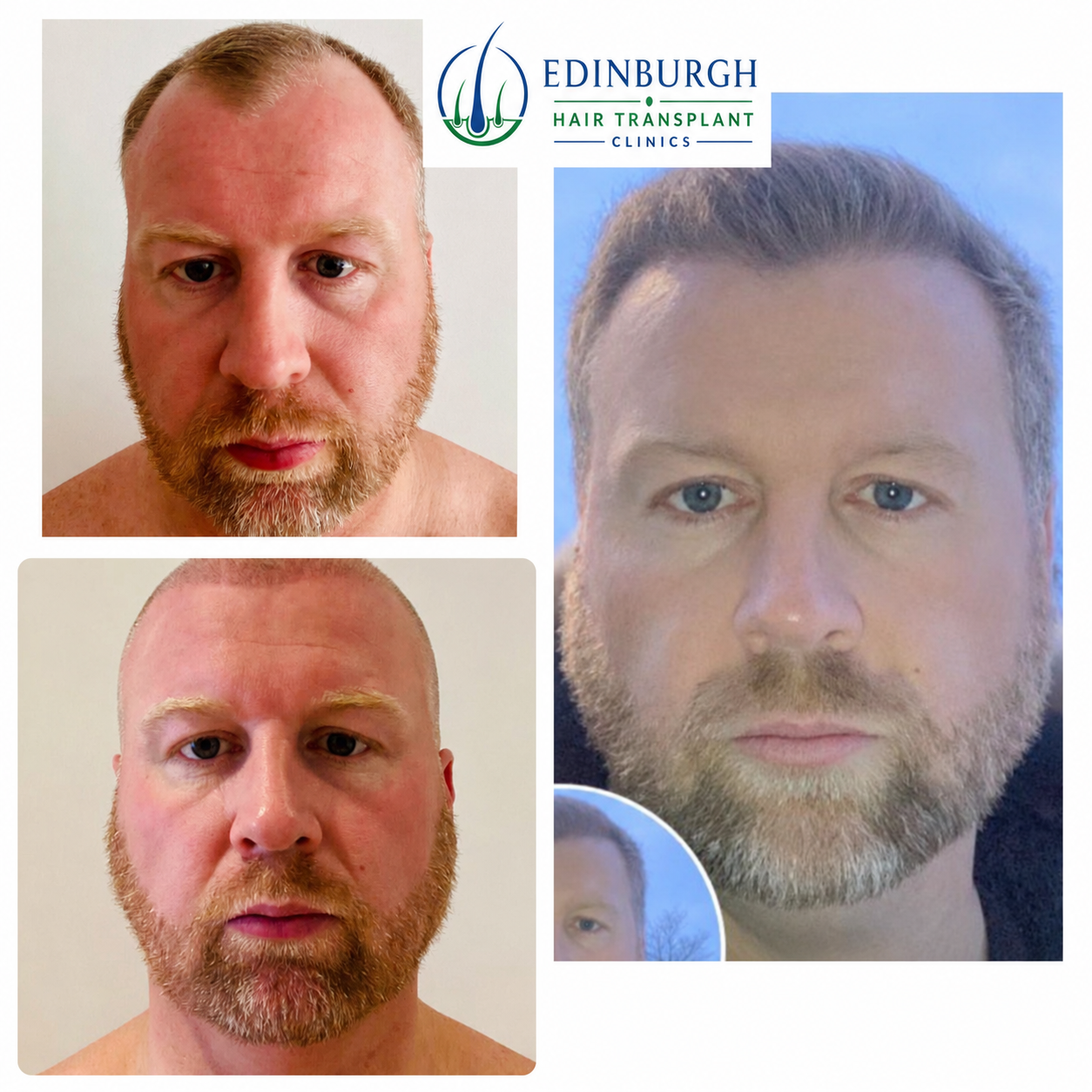
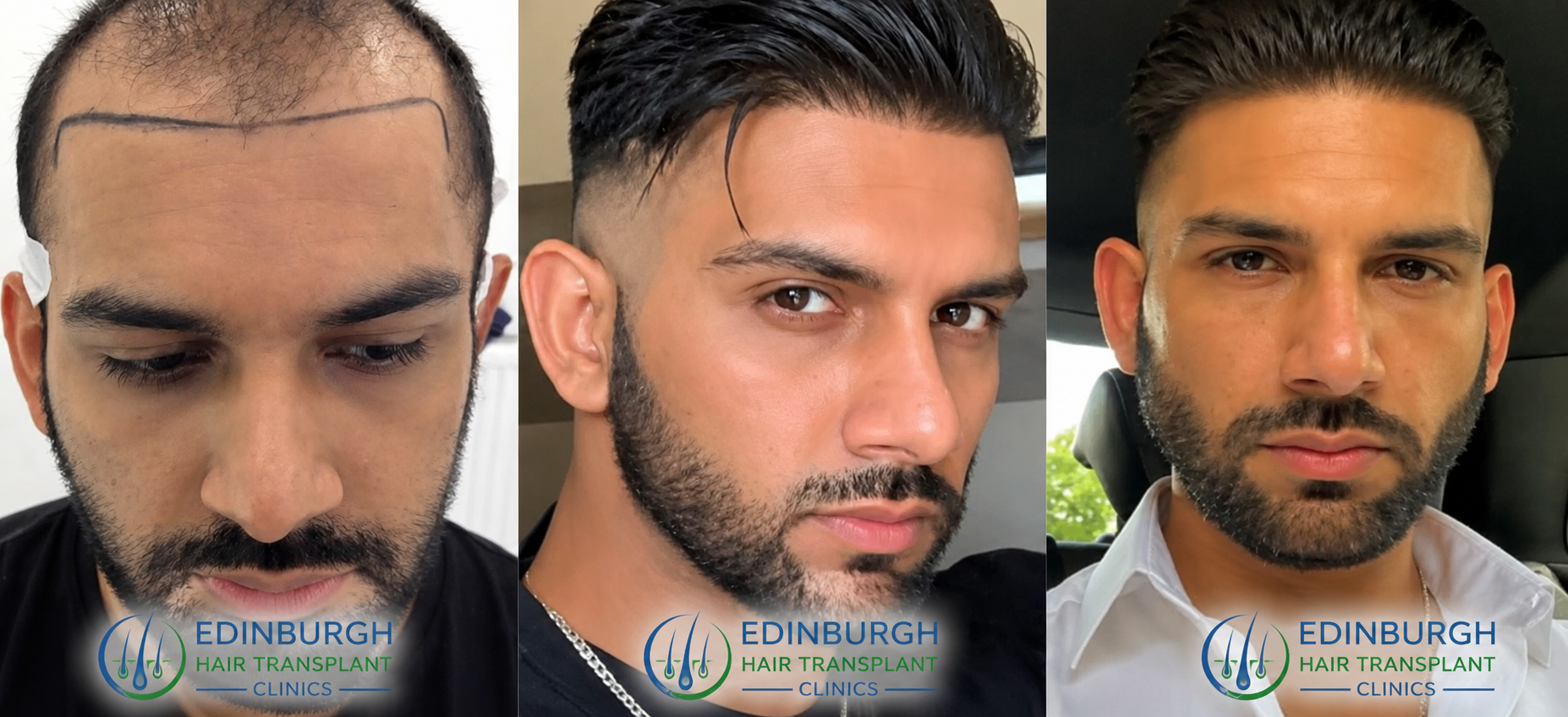

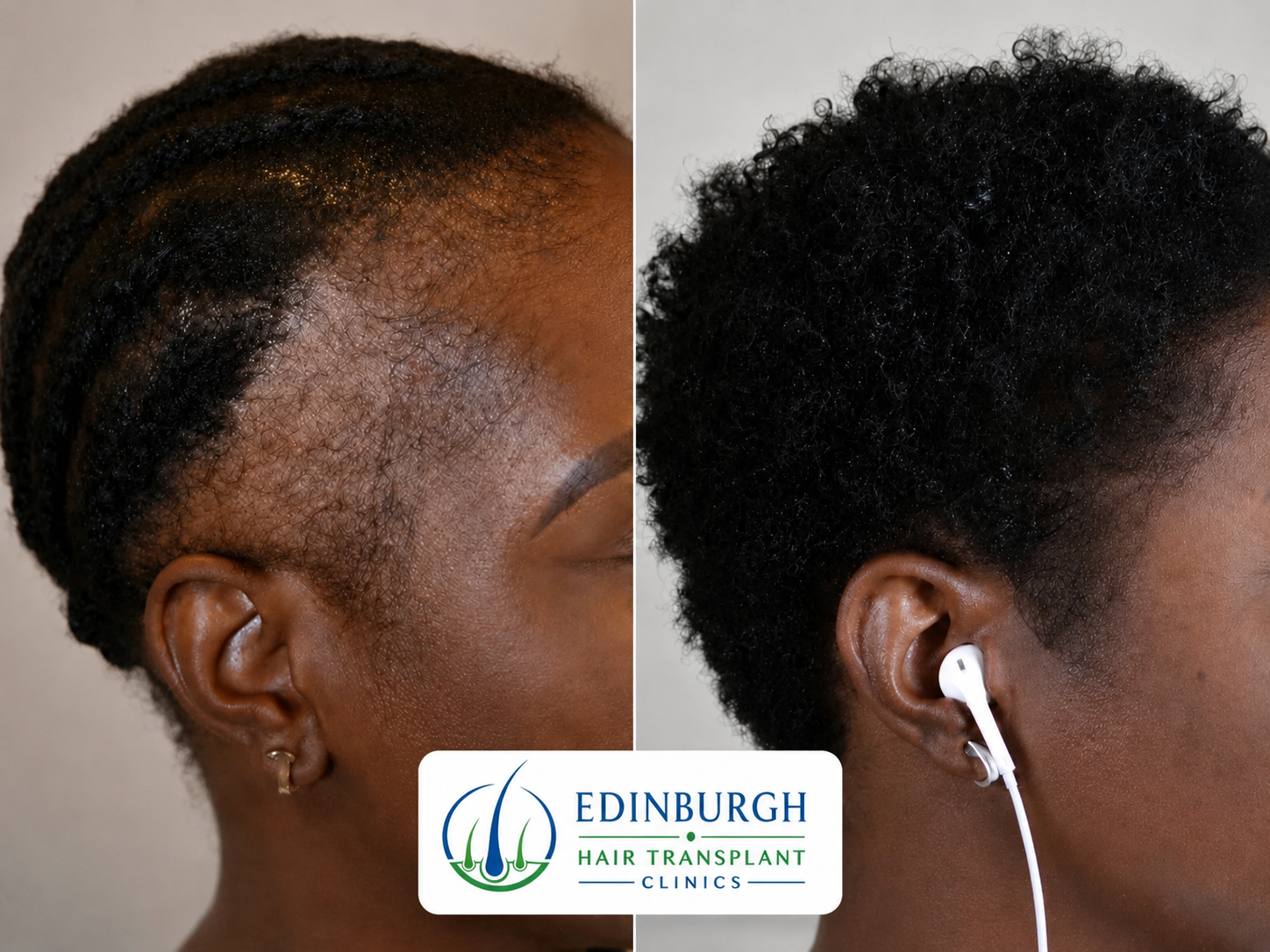
Read patient feedback about consultation, communication, treatment-day organisation, recovery guidance and aftercare.
Arrange an assessment to discuss your pattern of hair loss, donor-area suitability, treatment options, potential costs, recovery and aftercare.
