Beard Transplant Edinburgh
A beard transplant can restore facial hair where the cheeks, jawline, moustache, chin or sideburns are naturally sparse, patchy or interrupted by scarring. Because facial hair changes direction across different parts of the face, the design and placement of individual grafts are particularly important.
At Edinburgh Hair Transplant Clinics, Dr Harpreet Kalra can assess your existing beard pattern, facial proportions, skin and donor hair before the shape is planned. FUE is normally used to obtain the individual follicular units required for detailed facial-hair restoration.


Beard Transplant in Edinburgh
Beard growth is rarely identical from one side of the face to the other. Some men develop strong hair through the chin and moustache but very little coverage through the cheeks. Others have gaps along the jawline, weak sideburns or areas where the beard does not connect cleanly between the moustache and chin.
A beard transplant moves suitable follicles from a donor area, normally around the back and sides of the scalp, into the areas of the face where additional growth is wanted. The procedure can be planned as a limited restoration of one particular gap or as a broader reconstruction across the cheeks, jawline, moustache, chin and sideburns.
Facial-hair work is different from simply transplanting a large number of grafts into an empty area. Natural beard growth sits close to the skin and changes direction around the mouth, cheeks, chin and jaw. The recipient sites therefore have to reproduce those changes rather than placing every graft at the same angle.
Existing facial hair is also useful when planning the restoration. Instead of drawing an entirely new beard over the face, the transplant can be used to strengthen the patient's own pattern, connect weaker areas and introduce density where it will produce the greatest visible improvement.
The donor area matters just as much as the beard itself. Hair taken for a facial-hair transplant is no longer available for a future hairline, crown or wider scalp restoration, so donor use should be considered as part of the patient's longer-term hair-restoration plan.
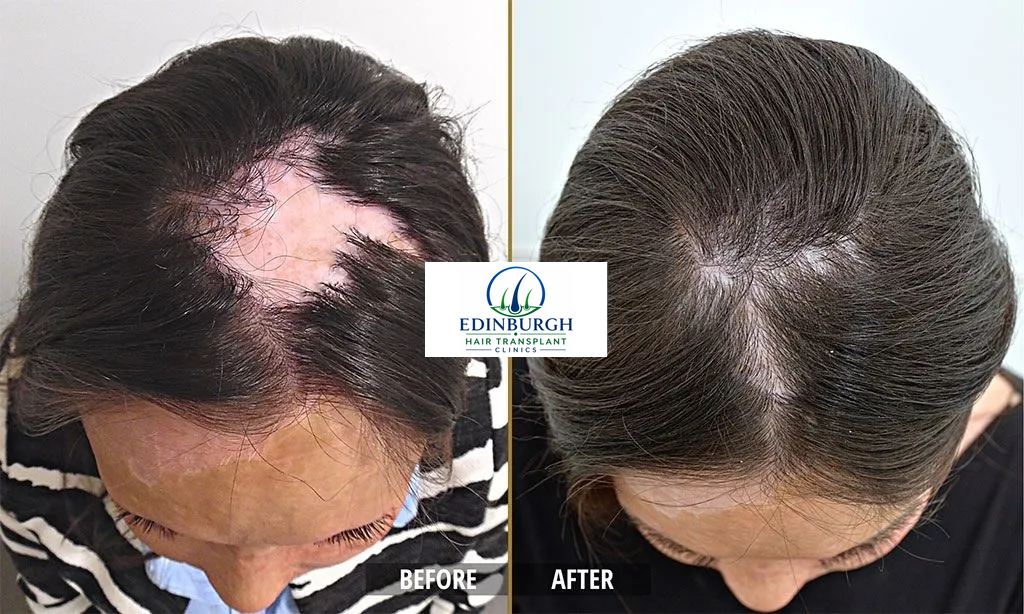
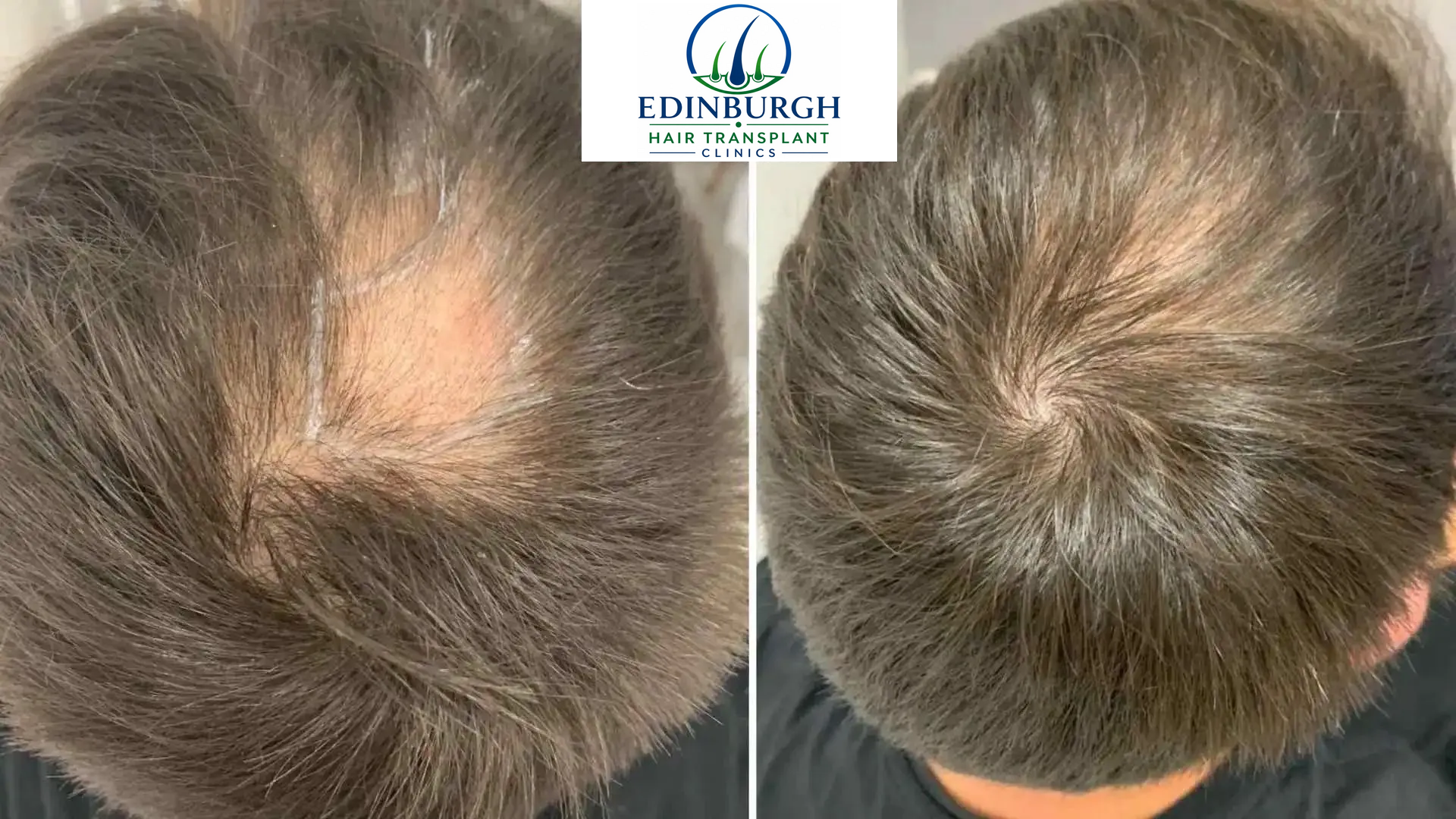
Hair Transplant Before & After Results
View a selection of patient results from different hair-restoration treatments.

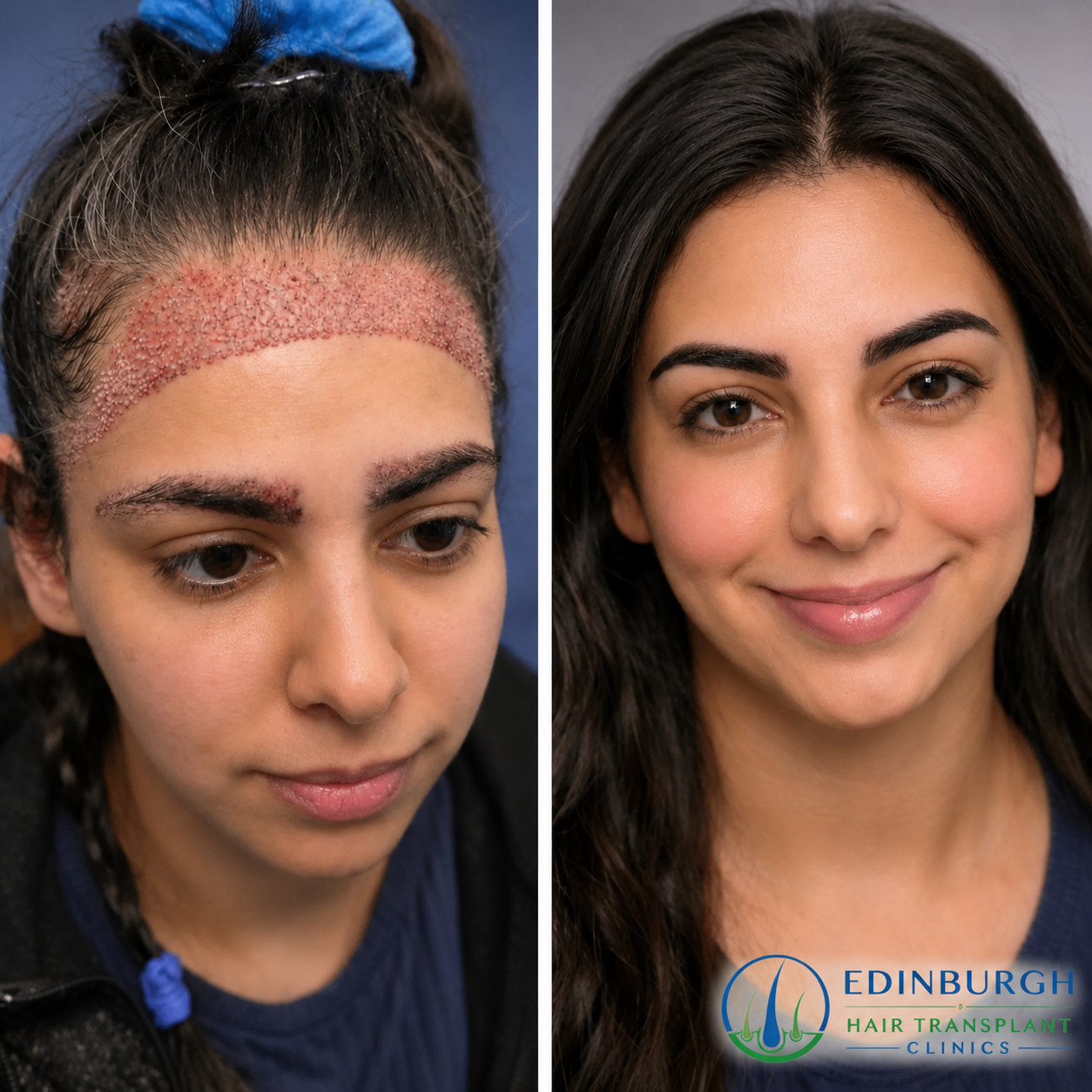
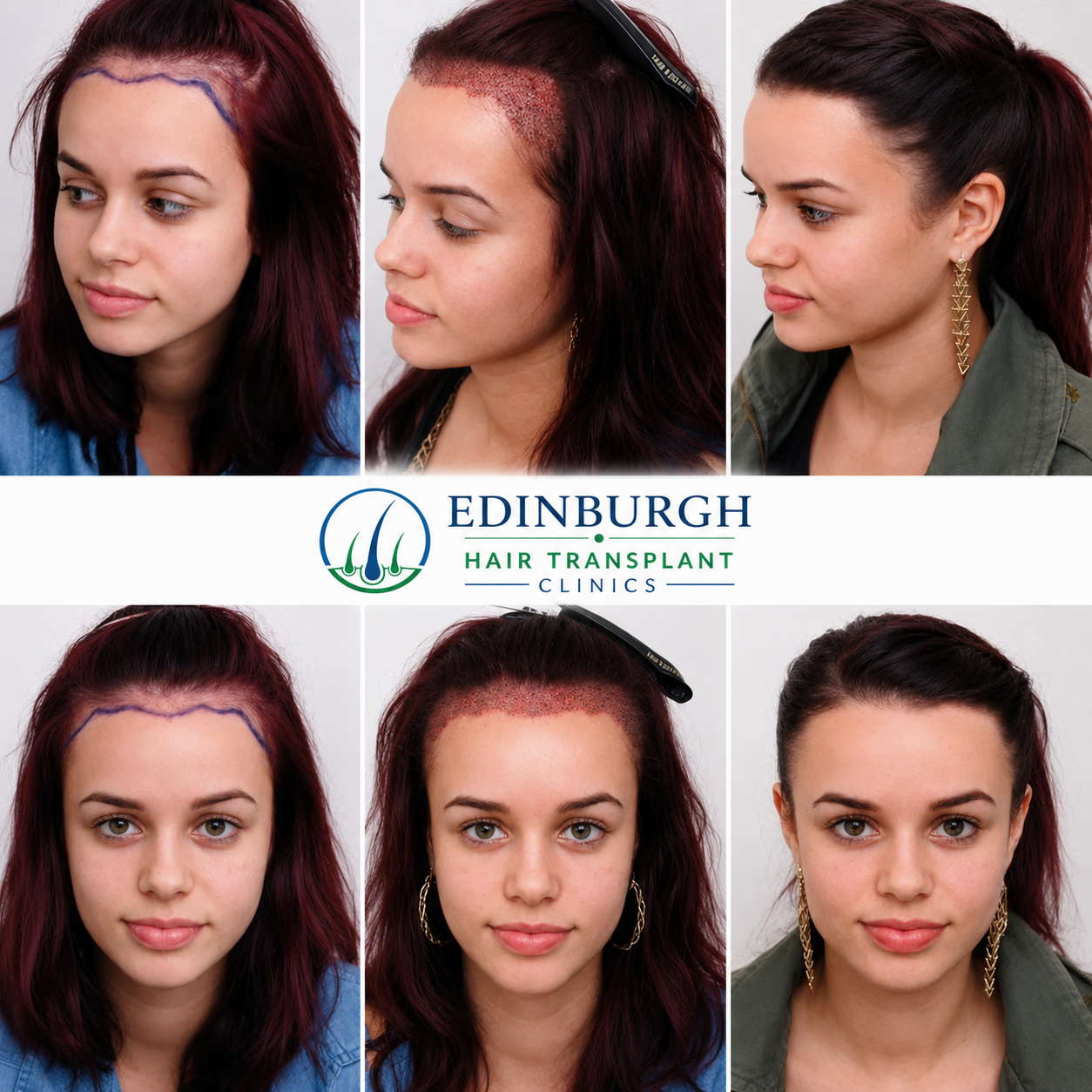
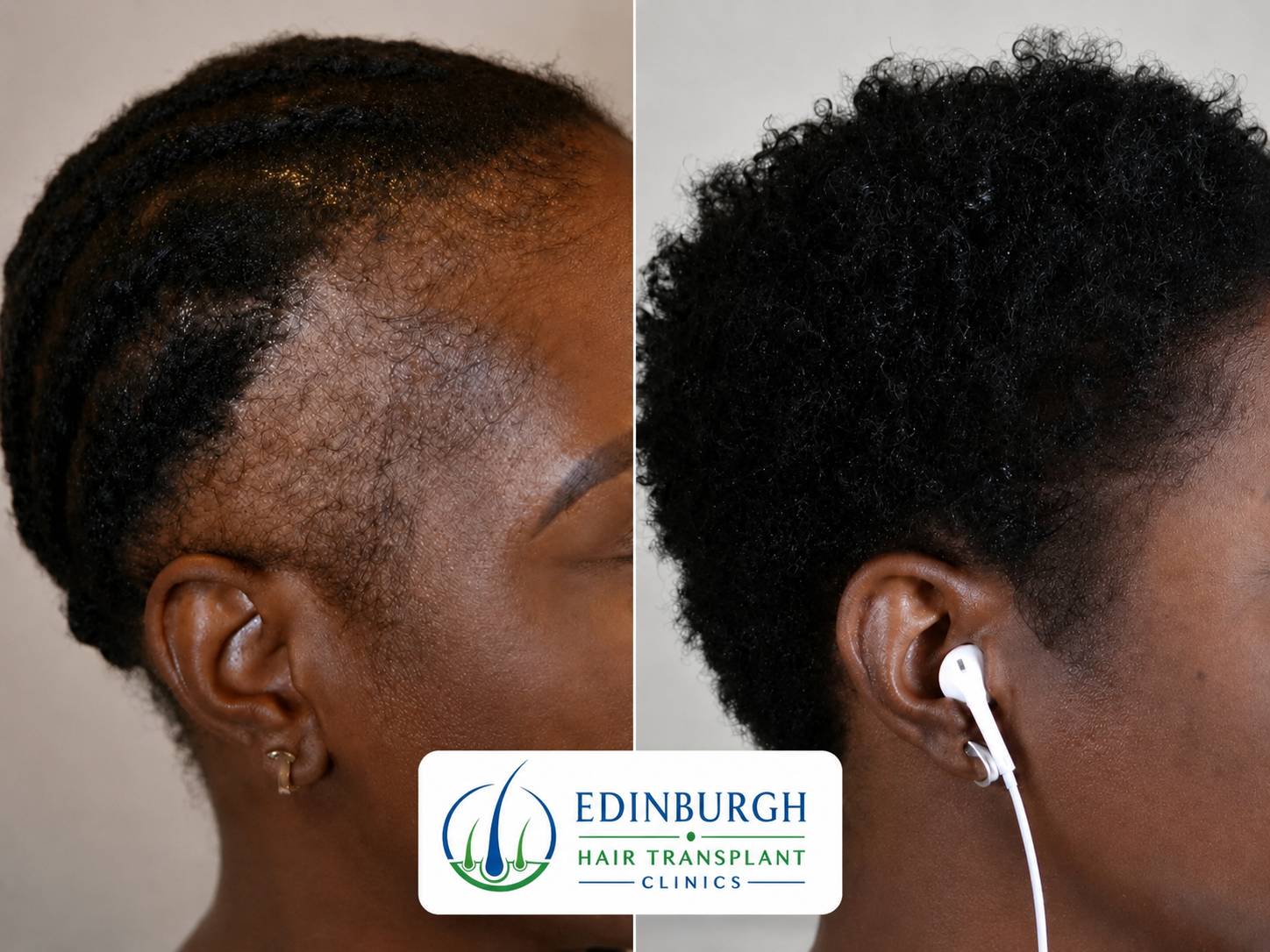
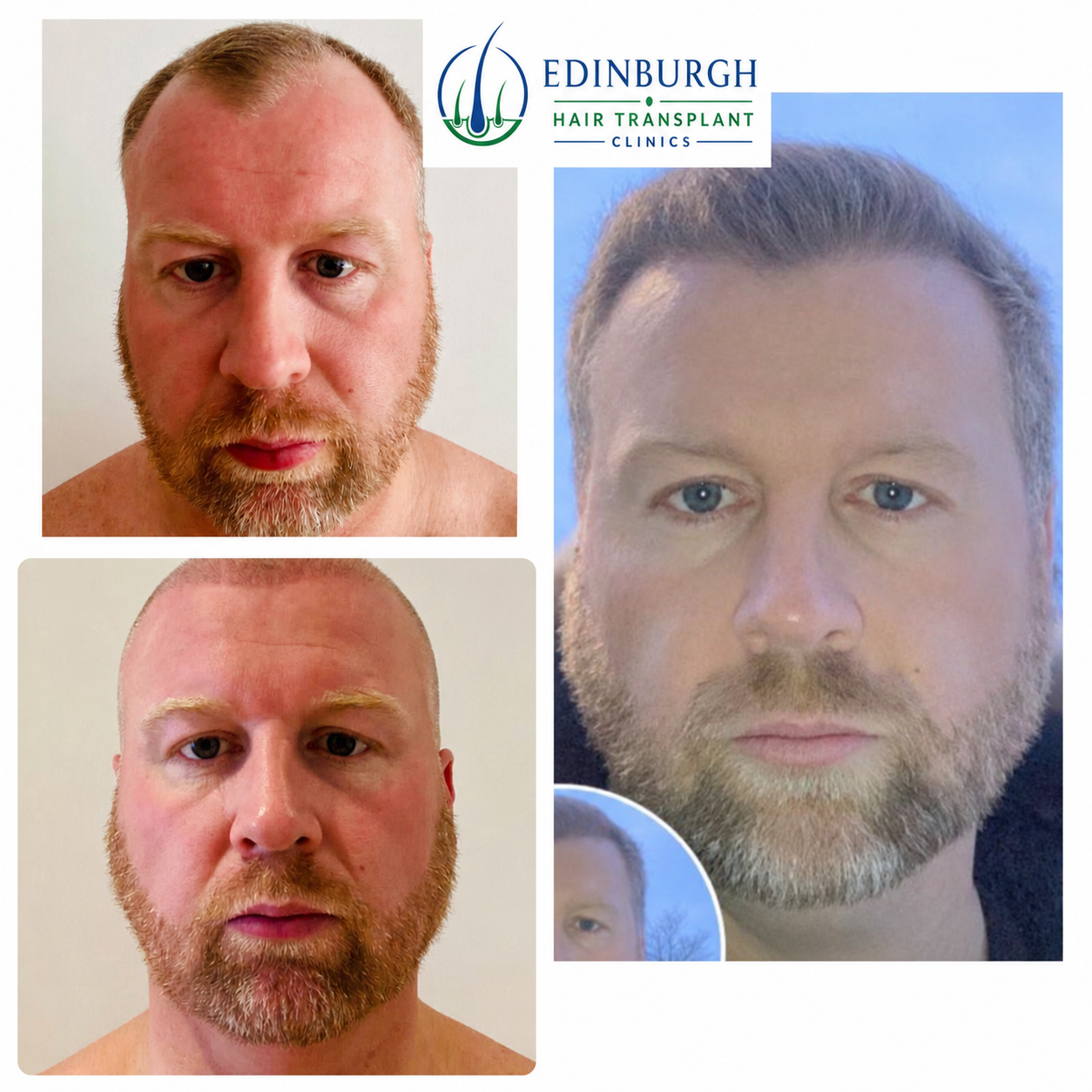
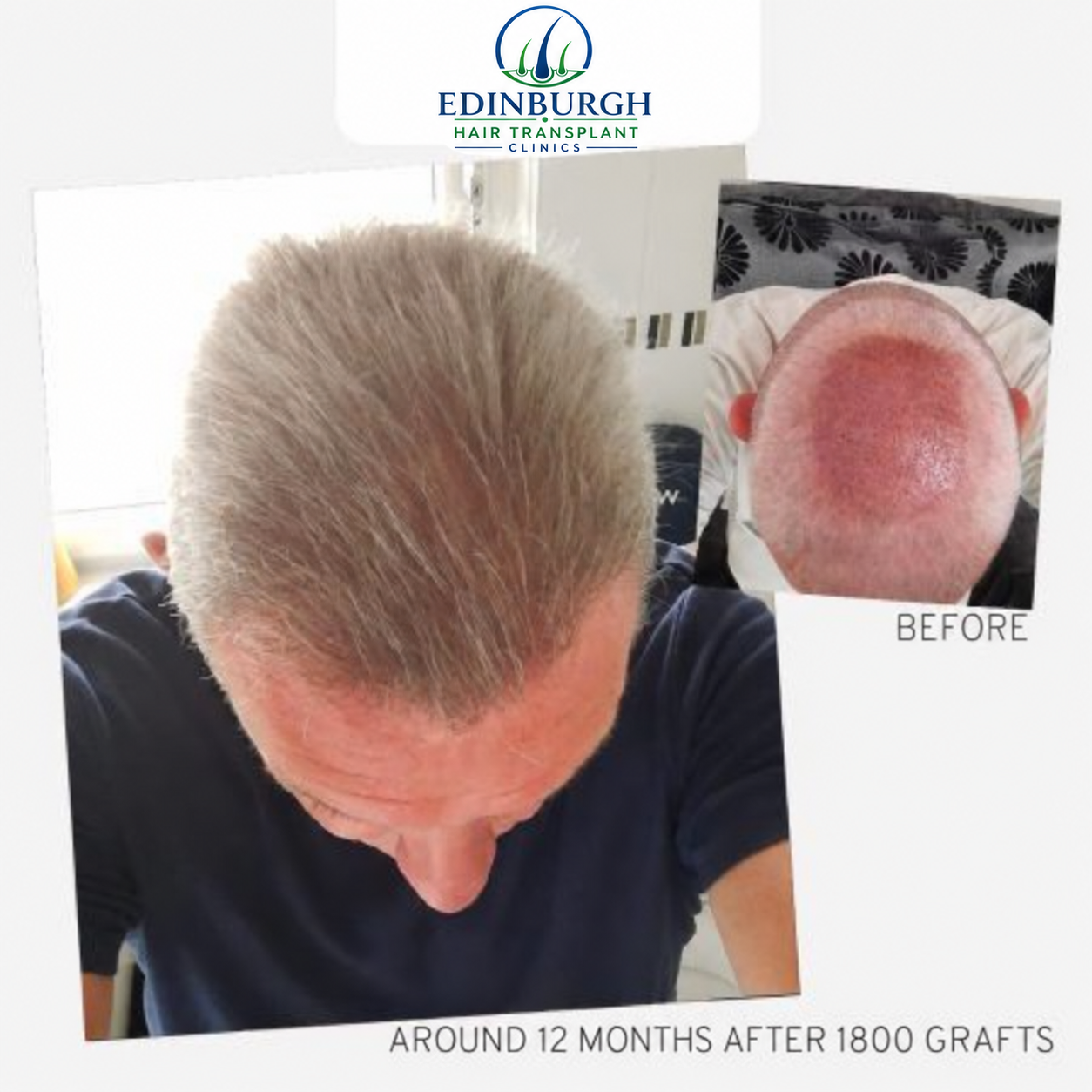
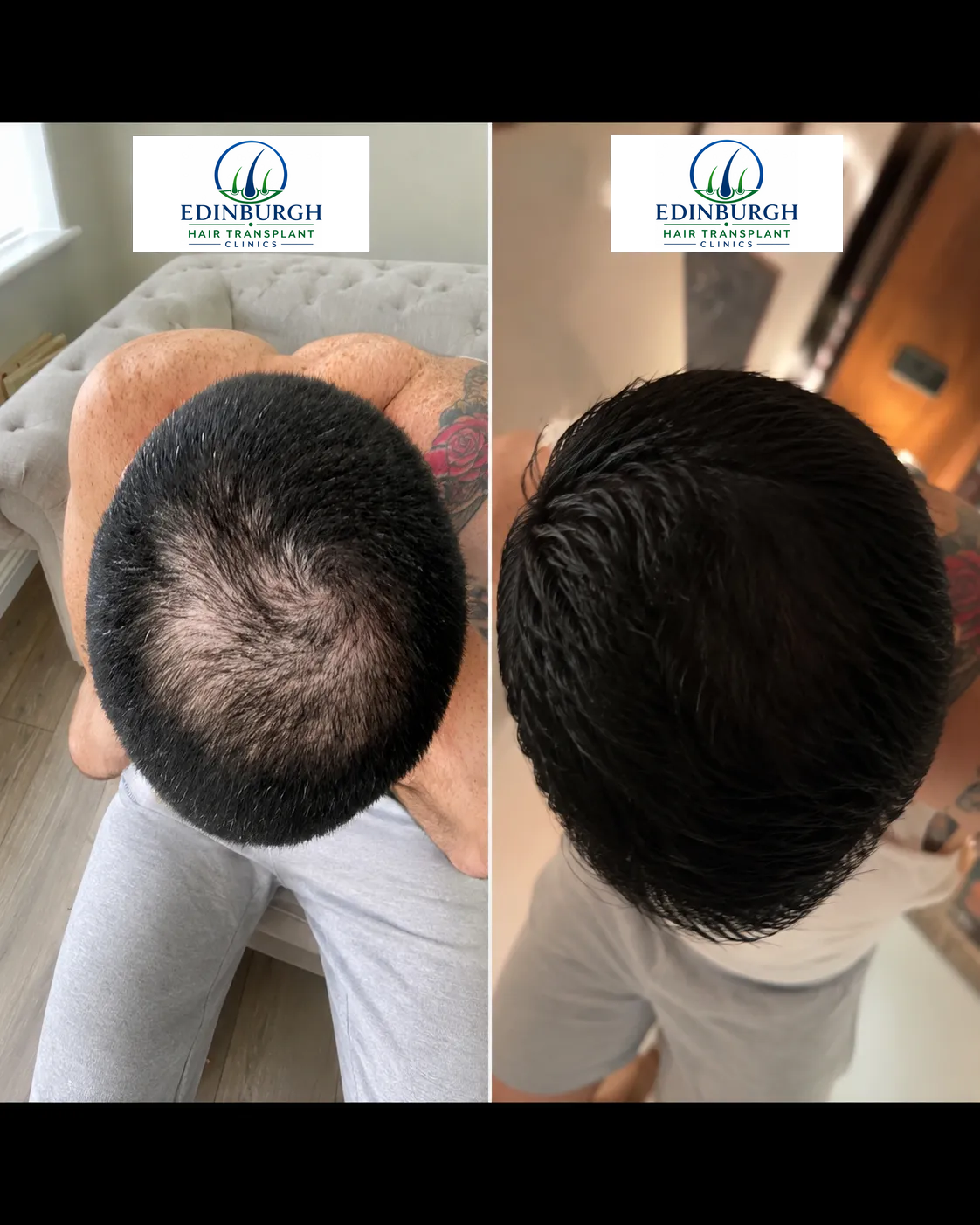
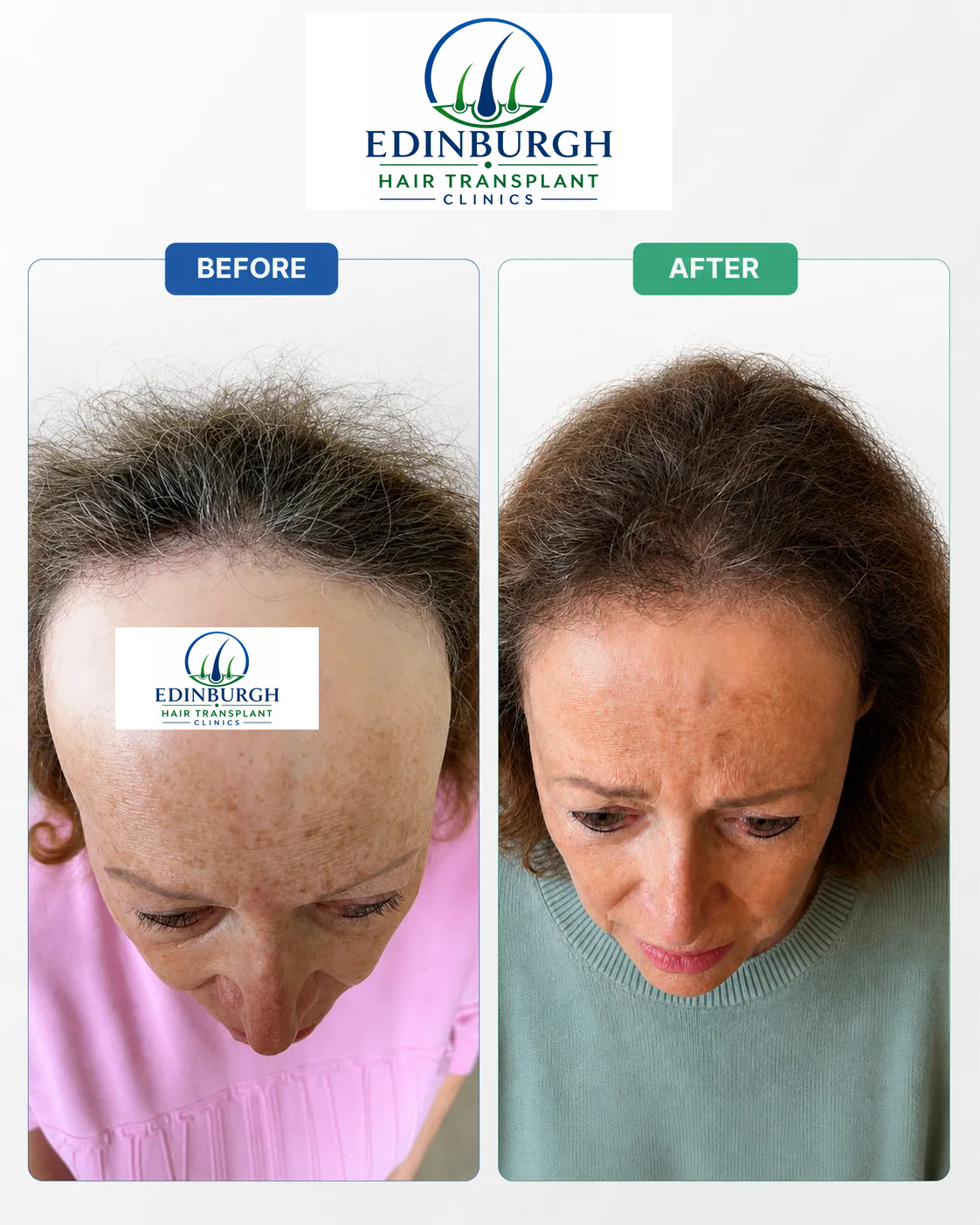
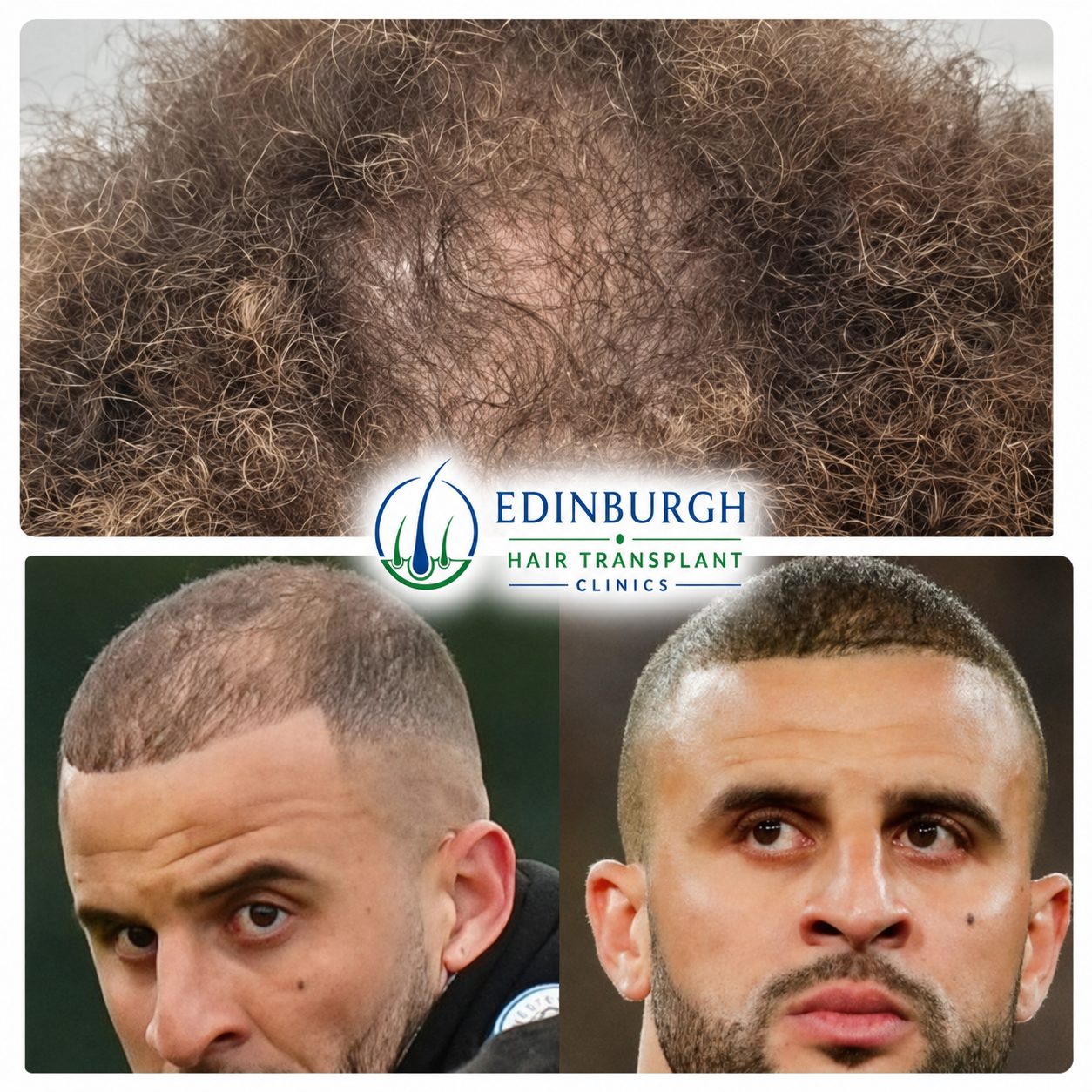
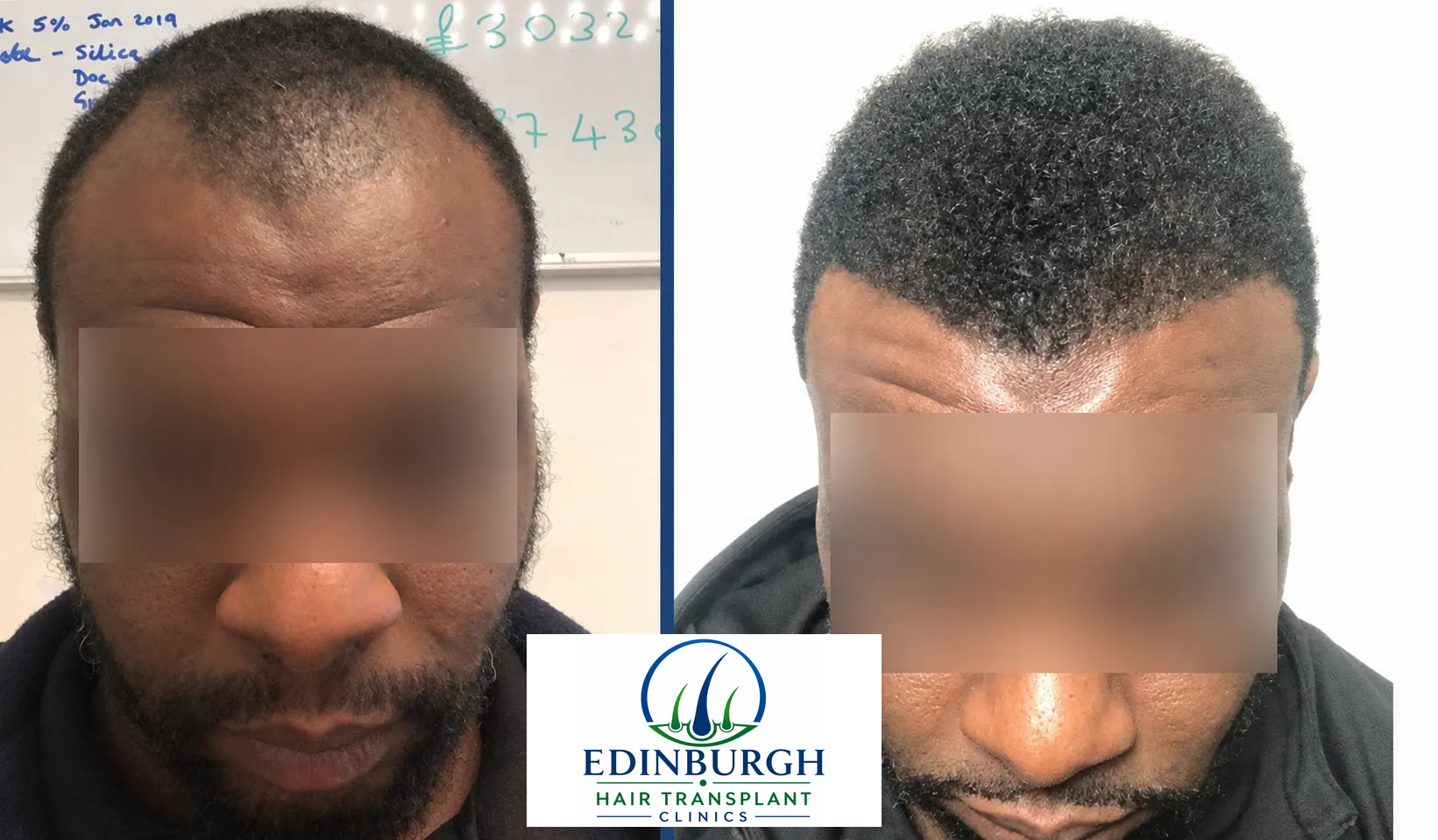
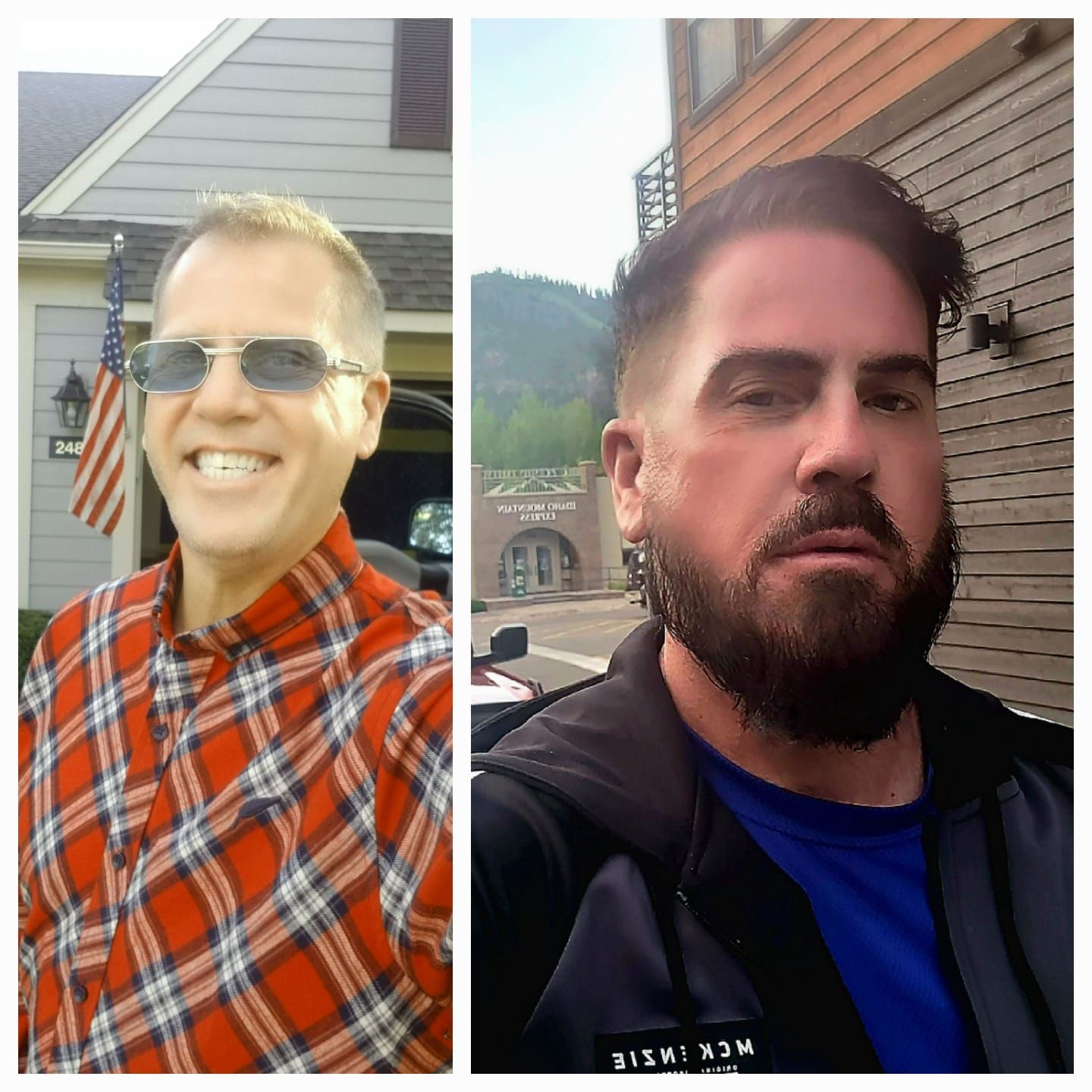
Beard Hair Transplant Results
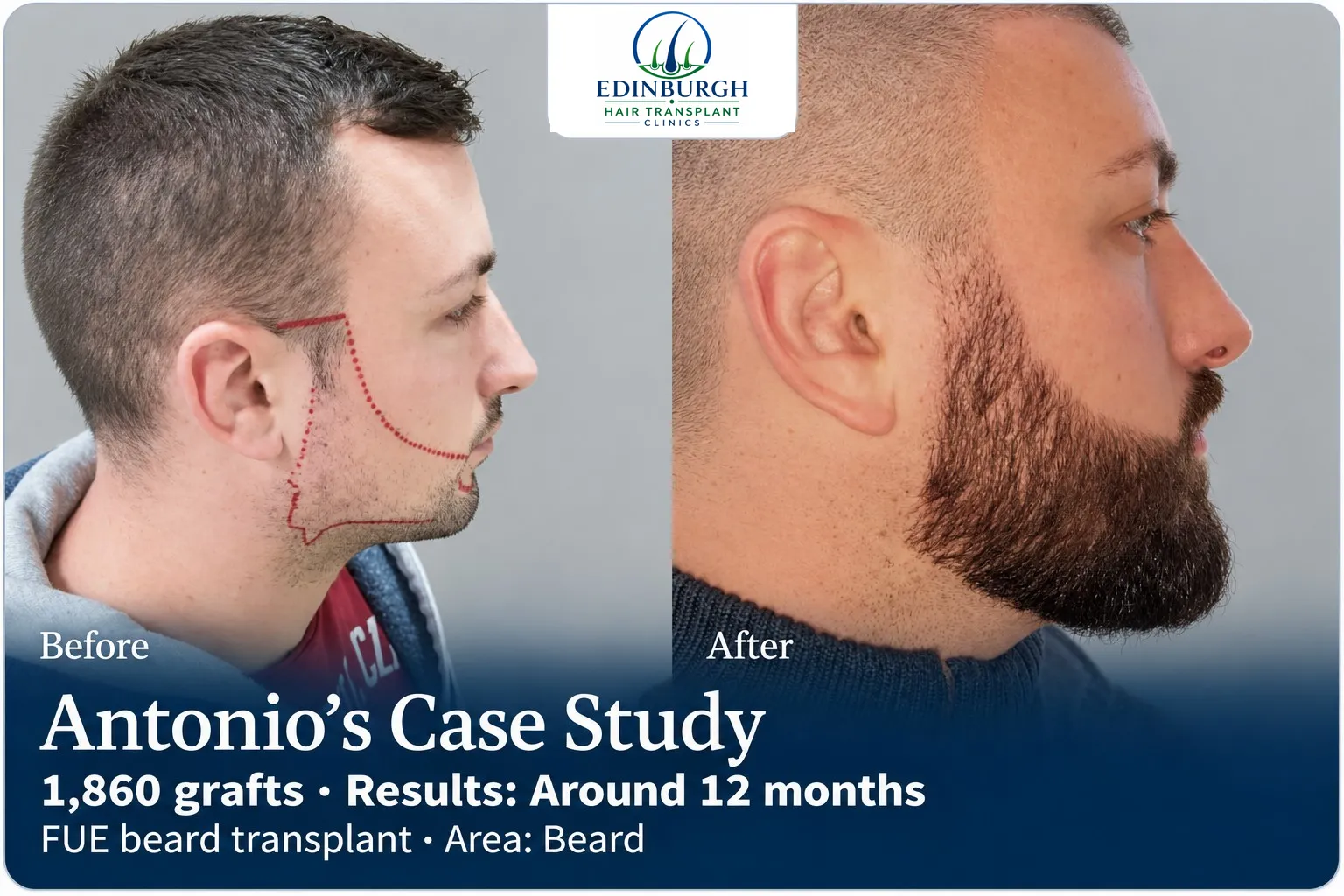
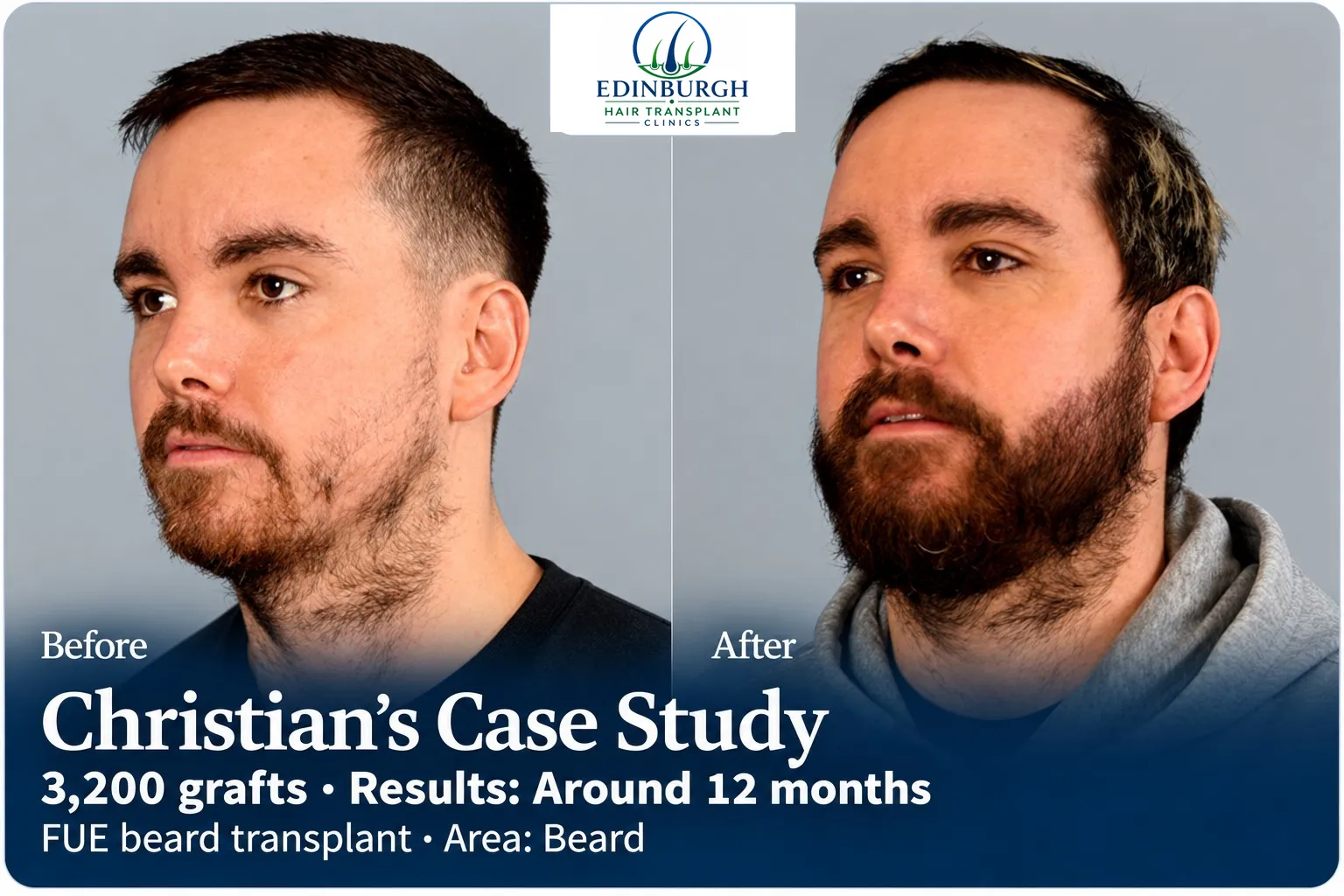
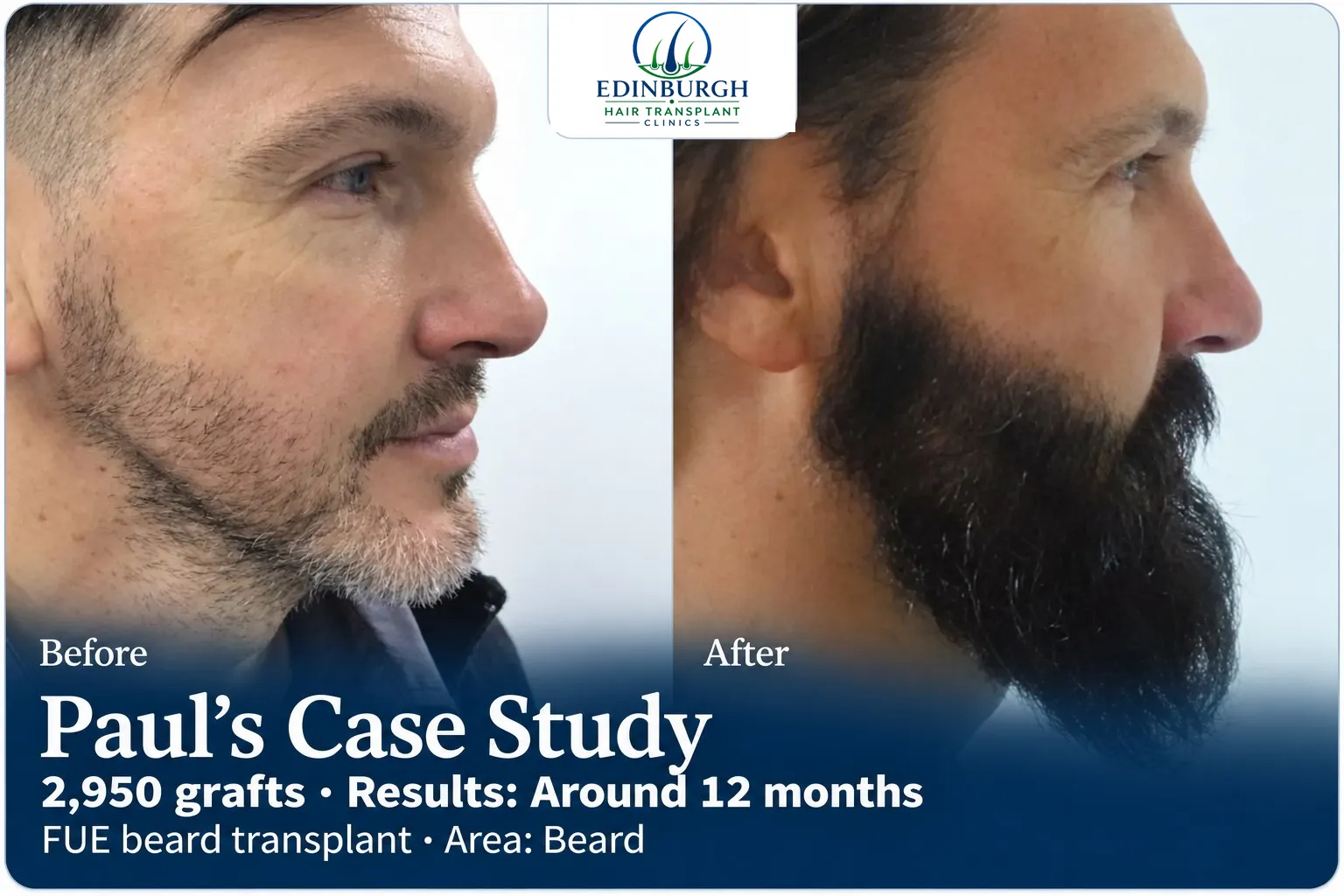
Beard Shape, Density and Direction
A convincing beard transplant has to reproduce the way facial hair already behaves. The hairs beneath the lower lip do not emerge in exactly the same direction as those along the jaw, while moustache hairs sit differently again. The cheeks usually require a flatter angle so that the hair follows the surface of the face instead of projecting straight out from the skin.
This becomes especially important around the upper cheek line. A perfectly straight, densely packed border can look artificial because natural beard growth usually becomes progressively lighter towards the edge. The outline should therefore be designed around the patient's face rather than copied from a photograph or imposed as a standard beard shape.
The jawline and chin can normally carry stronger density, while smaller follicular units are useful where a softer transition is needed. If the patient already has substantial beard growth, transplanted follicles can be distributed between the existing hairs so that the restored areas blend with them rather than creating an obvious difference between treated and untreated skin.
Moustache restoration is another detailed part of facial-hair surgery. A small gap in the moustache may need relatively little donor hair, but the graft angle around the lip is critical. Sideburn work similarly has to join naturally with both the beard below and the scalp hair above.
Beard restoration can also be used as part of gender-affirming hair transplantation. For transgender men, the plan can involve developing new coverage through the sideburns, cheeks, moustache, chin and jawline rather than simply filling an isolated patch.
How a Beard Transplant Is Performed
Planning begins before any follicles are removed. The areas to be restored are examined with the face relaxed and from different angles so that the proposed beard outline works with the jaw, cheeks, mouth, chin and existing facial hair. The design is then discussed before the recipient pattern is finalised.
Donor follicles normally come from suitable hair at the back or sides of the scalp. FUE is particularly useful for beard transplantation because follicular units can be removed individually and then selected according to the part of the beard being reconstructed.
After the donor and recipient areas have been anaesthetised, the selected follicular units are harvested and prepared for implantation. The surgeon creates the recipient pattern according to the beard design, controlling the angle, direction and distribution of each graft across the face.
The aim is not to use the largest possible number of grafts. A beard has to work visually at conversational distance as well as under close inspection. Concentrating density in the correct areas and allowing natural transitions at the edges generally matters more than trying to make every part of the beard equally dense.
Scalp donor hair and native beard hair are not identical. Texture, thickness, colour and growth rate can differ, which is why the donor hair needs to be considered before surgery rather than assuming that every scalp follicle will be an exact facial-hair match.
The donor area is also assessed in the context of future hair loss. You can read more about how donor supply is evaluated in our hair transplant donor-area guide .
Who Is Suitable for a Beard Transplant?
Beard transplantation is commonly considered by people whose facial hair has always been sparse or uneven. Genetics can leave strong growth in one area and very little in another, producing disconnected sideburns, empty cheek areas, a weak jawline or gaps through the moustache and chin.
It can also be used to restore hair through selected scars. Scarred skin requires individual assessment because the quality and blood supply of the tissue affect how the recipient area should be approached. A visible scar does not automatically mean that transplantation is impossible, but it should not be treated in exactly the same way as healthy, unscarred skin.
Where facial-hair loss has appeared suddenly, is continuing to spread or is associated with inflamed or irritated skin, the cause should be understood before transplantation is planned. Conditions affecting the beard area can alter suitability, particularly where there is active inflammation or ongoing patchy hair loss.
The strongest candidates also have sufficient donor hair. A patient may have a clear idea of the beard density they want, but the result still has to be achievable from the donor supply available. This becomes especially important when both cheeks, the moustache, chin and jawline all require substantial additional coverage.
Age alone does not determine suitability. What matters more is the facial hair pattern, skin condition, donor characteristics, medical history and whether the proposed beard can be created without compromising donor hair that may be needed elsewhere later.
When to investigate patchiness first
Sudden new patches, active inflammation or suspected alopecia barbae need a diagnosis before cosmetic surgery is planned. A transplant does not treat the underlying cause of active hair loss. Scar tissue and previous facial procedures also need individual assessment.
Beard Transplant Recovery and Growth
Immediately after a beard transplant, the recipient sites are visible as small areas around the newly placed grafts. Redness, mild swelling, tightness and crusting can occur during the early healing period. The grafts should be left undisturbed and the washing and aftercare instructions provided by the clinic followed carefully.
The first part of recovery is mainly about protecting the transplanted follicles while the skin heals. Rubbing, scratching or picking the crusts can disturb the recipient area, while shaving should wait until the clinic has advised that the beard area has healed sufficiently.
The transplanted hair shafts commonly shed during the first few weeks. This does not mean that the follicles themselves have been lost. The follicles remain beneath the skin and enter another growth cycle before new hair begins to emerge.
Early new growth is usually noticed over the following months rather than immediately. At first the hairs may look finer or less developed than the eventual result. More visible coverage develops progressively as additional follicles enter growth and the hairs increase in calibre.
By the later stages of the first year, the overall beard pattern can be assessed much more reliably. Growth does not occur at exactly the same rate in every follicle, so the beard gradually changes rather than appearing at full density on one particular date.
Once the transplanted area has healed and the new hairs have established, they can be groomed, trimmed and shaved. Patients should still follow their individual postoperative instructions during the early period rather than treating the newly transplanted beard like established facial hair immediately after surgery.
Our aftercare guide and hair transplant timeline explain the wider healing, shedding and growth process in more detail.
Risks and when to contact the clinic
Possible problems include infection, bleeding, visible scarring, uneven growth and an unsatisfactory result. Facial-hair direction and a difference in texture between scalp donor hair and existing beard hair can affect the finish. Donor overharvesting can leave the back or sides of the scalp visibly thin.
Follow your own written washing and shaving instructions. Avoid rubbing or picking the implanted area, and check before using beard oils, skin products, razors or clippers on healing skin. Contact the treating team promptly about severe or increasing pain, unexpected symptoms, spreading redness or discharge.
The NHS guide to hair transplant risks explains general surgical risks and when to seek help.
Beard Transplant Cost in Edinburgh
Beard transplant cost is determined mainly by how much of the face needs to be restored and the number of follicular units required to create the planned coverage. Filling a limited moustache gap or strengthening the sideburns is very different from reconstructing both cheeks, the jawline, moustache and chin.
Beard transplants start from £2,999. The final quotation depends on the beard design, graft requirement, donor hair, recipient skin and complexity of the restoration.
Graft numbers should follow the design rather than the other way around. Two patients can have similarly sized areas of weak beard growth but require different plans because one already has substantial native facial hair while the other is creating coverage through an area with very little existing growth.
Donor use is particularly important in larger beard restorations. The back and sides of the scalp contain a finite number of follicles that can be moved without damaging the appearance of the donor region. Using a large proportion of that supply for the beard can reduce the amount available for future scalp transplantation.
The consultation therefore establishes the treatment area and donor capacity before a graft estimate and price are finalised. You can see the wider pricing information on our hair transplant cost page and read about the no-deposit option.
Beard Transplant Planning With Dr Kalra
At Edinburgh Hair Transplant Clinics, Dr Harpreet Kalra can assess the areas of facial hair you want to restore together with your existing beard pattern, facial proportions and available donor hair.
The consultation is used to establish the beard outline and determine where additional density will have the greatest effect. For larger restorations, donor use across the cheeks, moustache, chin, jawline and sideburns is considered together rather than planning each area in isolation.
Dr Kalra is registered with the General Medical Council under reference 7126076.
Read About Dr Kalra
Frequently Asked Questions
What is a beard transplant?
A beard transplant moves suitable donor follicles, normally from the scalp, into areas of sparse or missing facial hair. It can be used to restore the cheeks, jawline, moustache, chin, sideburns or selected gaps within an existing beard.
Will a beard transplant look natural?
The result depends heavily on design and placement. Grafts need to follow the changing angle and direction of natural facial hair, while density and the outer beard line should blend with the patient's existing growth rather than appearing as a solid artificial border.
Where does the donor hair come from?
Donor hair is normally obtained from suitable areas at the back or sides of the scalp. Hair calibre, texture, colour and donor density are considered because scalp hair does not always behave exactly like naturally occurring beard hair.
Is FUE used for beard transplants?
FUE is commonly used because individual follicular units can be harvested from the donor region and selected for facial-hair transplantation. The quality of the finished beard still depends on the recipient design, graft selection, angle and distribution rather than the harvesting technique alone.
Can a beard transplant fill patchy cheeks?
Yes. Patchy cheek growth is a common reason for considering transplantation. The new grafts can be distributed between existing facial hairs to strengthen coverage and connect areas that currently appear separated.
Can beard transplantation be used over a scar?
Selected scars can be considered for transplantation, but scar tissue needs to be assessed individually. The condition of the skin and its blood supply influence how the area is planned and what degree of coverage is realistic.
Can transgender men have beard transplants?
Yes. Facial-hair transplantation can form part of gender-affirming hair restoration. The design can include the sideburns, cheeks, moustache, chin and jawline according to the patient's own facial-hair goals.
Does transplanted beard hair shed?
Early shedding of the transplanted hair shafts is common. New growth then develops progressively over subsequent months as the transplanted follicles move through their growth cycle.
When can I shave after a beard transplant?
The recipient area should be allowed to heal before normal shaving is resumed. Follow the clinic's postoperative instructions rather than shaving or closely trimming the newly transplanted beard immediately after surgery.
How much does a beard transplant cost in Edinburgh?
Beard transplants start from £2,999. The final price depends on the area being restored, beard design, estimated graft requirement, donor characteristics and complexity. See the hair transplant cost guide for current pricing information.
How many grafts will I need?
There is no single graft number for a beard transplant. A small moustache gap may require far fewer follicles than reconstruction of both cheeks, jawline, chin and sideburns. The estimate should be made after the existing facial hair and donor supply have been assessed.
Consultation, Surgery and Travel
Consultation and clinic locations
Edinburgh: 83 Princes St, Edinburgh EH2 2ER.
Glasgow: Tay House, 300 Bath St, Glasgow G2 4JR.
Clarkston: 13 Eaglesham Rd, Clarkston, Glasgow G76 7BU.
Surgical locations
Glasgow: St. Ellen’s Daycase Hospital, 410 Sauchiehall St, Glasgow G2 3JD.
Livingston: St. Ellen’s Hospital Livingston, 2 Garbett Road, Livingston EH54 7DL.
Your booking confirmation will specify where to attend. Confirm the location before arranging travel, as your consultation and surgery may take place at different addresses.
For an Edinburgh consultation, plan rail travel to Waverley or Haymarket, or bus and tram travel to Princes Street. Check parking before driving. Tell the team about any access or mobility requirements before your visit.
Considering a Beard Transplant in Edinburgh?
Book a consultation to discuss the areas of facial hair you want to restore, the beard shape you want to create, your existing growth and the donor follicles available for treatment.
Book a Free Consultation