

Please note I am writing this review based on the process not the result as Will not know the full extent of the result for a few months. The process of booking was great, Kevin was very helpful from the very beginning and was very quick at replying and very knowledgeable with any questions or queries I had. I felt well informed and prepared for the hair transplant. On the day itself, I was welcomed into the clinic and talked through the plan for the day. Throughout the procedure I was very well looked after and cared for. It went very smoothly and I was comfortable the full time once the local anesthetic was in I did not feel anything. Very thorough after care was provided along with everything I needed to take care of the transplanted hair initially so did not have to worry about purchasing anything, shampoo, spray bottle and pillow all included. Along with contact details incase required. So far I am amazed by the results, it already looks incredible. I have never felt so confident in photos and this is just the implanted hair, looking forward to seeing how it develops over the coming months. Be prepared for a couple of sleepness nights following the procedure but so worth it already! Highly recommend booking your hair transplant with this company. The support throughout is so valuable. They really care for you and working with you towards the result you are looking for. Will happily post an update to this review at the 6 month mark but do not hesitate to use this company, 5* and first class.
Hair Transplant for Scar Repair
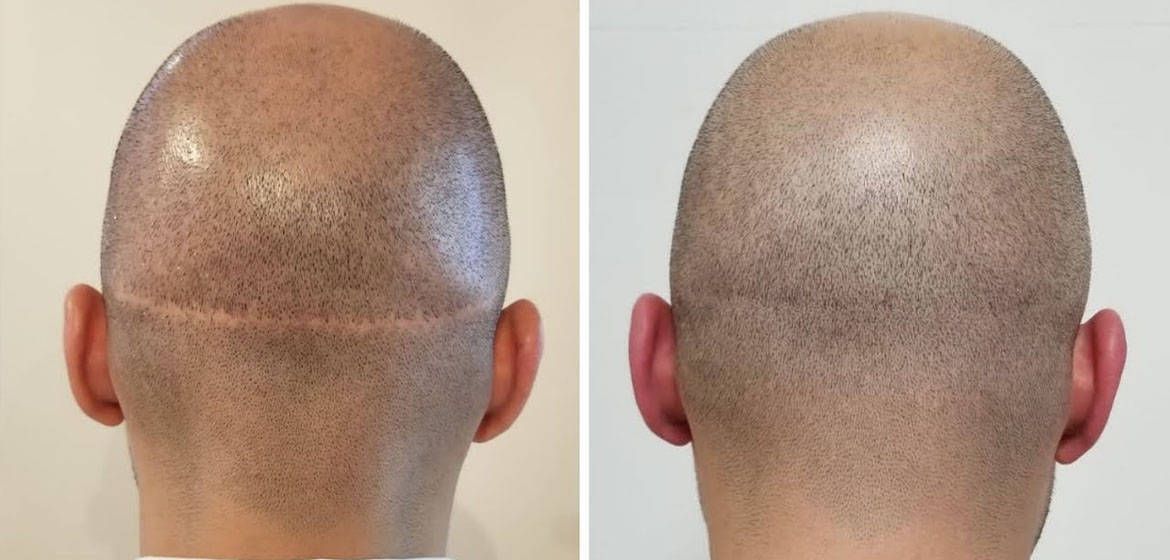
Hair follicles can be transplanted into suitable scar tissue to restore growth across an area where the original hair has been lost. This includes scars caused by surgery, accidents, burns, skin grafts and previous hair-transplant procedures.
The treatment is intended to make the scar less noticeable rather than remove it. Because the thickness and blood supply of scar tissue can vary, Dr Harpreet Kalra will examine the area before deciding how many grafts it can safely support.
Request a Consultation


Contents
Hair Transplants on Scar Tissue
Hair transplantation has been used for decades to restore growth in areas affected by scars. Healthy follicles are removed from a donor area and implanted into the damaged skin, where they can begin producing hair in their new position.
As that hair grows, it breaks up the visible outline of the scar and helps the area blend with the surrounding hair. It is a practical way to camouflage a scar without cutting it out or creating another large wound in the recipient area.
Hair follicles also contain cells involved in normal skin renewal. Research into mature human scars has found changes in tissue structure and blood supply after follicle transplantation. This does not remove the scar, but it means the treatment is doing more than placing a hair shaft over its surface.
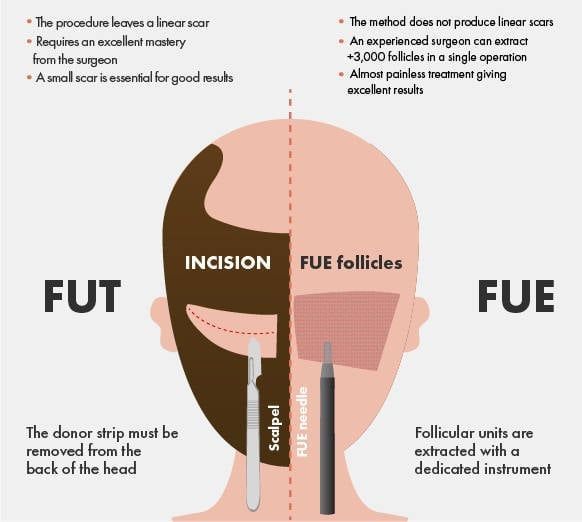
Both FUE and FUT can provide donor follicles. In most scar-repair cases, FUE is preferred because the grafts are removed individually and no new linear donor scar is created.
What Is Scar Tissue?
Scar tissue is the fibrous tissue produced by the body as it repairs an injury or surgical wound. Collagen fibres replace the damaged tissue and close the area, but the repaired skin is not identical to the skin that was there before.
A scar is often firmer and less flexible than normal skin. It can be pale, dark, raised, sunken, wide or uneven, depending on the cause of the injury and the way it healed.
These differences matter during hair transplantation. The surgeon needs to know whether the scar is thick enough to hold a graft, flexible enough to create recipient sites and sufficiently supplied with blood to support new growth.
The scar should also be mature and settled. A scar that is still red, painful, itchy, raised or changing needs further assessment before surgery is considered.
Why Doesn’t Hair Grow Naturally Through Scar Tissue?
A deep injury can destroy the follicles that originally produced hair in the affected area. Once those follicles have been lost, the scar cannot replace them on its own.
Scar tissue can also have less blood flow than the surrounding skin. Follicles need oxygen and nutrients from that circulation, so poor blood supply can make natural regrowth impossible and transplanted growth less predictable.
The tissue may also be hard or tightly bound down. This can make it difficult to create recipient sites at the right depth and angle. At the other end of the scale, a very thin scar may struggle to hold a graft securely.
Healthy follicles implanted during surgery can grow through suitable scar tissue. The important question is whether that particular scar can support them, not simply whether transplantation is technically possible.
Why Cover Scar Tissue With Hair?
Many patients seek treatment because a scar remains visible through their normal hairstyle. A widened FUT scar, for example, can show across the back of the head and make shorter haircuts difficult to wear.
Scars through the hairline, eyebrow, moustache or beard can be even harder to disguise because they interrupt an obvious pattern of growth. The eye is naturally drawn to that break in the hair.
For some people the concern is purely cosmetic. Others want to make a scar from an accident, burn or previous operation less prominent because it affects how comfortable they feel about their appearance.
Transplantation does not erase the underlying mark. It uses growing hair to soften its outline and reduce the contrast between the scar and the surrounding area.
Which Hair-Transplant Method Is Best for Scar Repair?
A scar-repair transplant raises the same question as any other hair-restoration procedure: how should the donor follicles be collected and placed to produce natural-looking coverage?
FUE scar repair
Individual follicular units are normally removed from the donor area using a small punch. Each graft can then be checked and distributed carefully across the scar.
FUE avoids the long linear donor scar associated with strip surgery. Instead, it leaves small circular extraction marks spread across the donor area. When the extractions are planned properly, these marks are normally easier to conceal than a single strip scar.
DHI placement
Follicles harvested individually can also be placed using DHI. The main difference is the placement stage, where an implanter device is used to insert the grafts into the recipient area.
Whether this approach is useful depends on the scar, the number of grafts required and the level of control needed around existing hair.
FUT strip surgery
FUT removes a narrow strip of donor-bearing skin before closing the area with a linear scar. It can provide a large number of follicular units, but the resulting donor scar must be considered before this method is chosen.
FUT can still provide useful grafts, but it is rarely the obvious choice when the patient is seeking treatment for an existing surgical scar.
The final method is chosen after the scar and donor area have been examined. Donor supply, graft requirements, hairstyle and the condition of the recipient tissue matter more than the name of the technique.
How Does an FUE Scar-Repair Transplant Work?
The surgeon first examines the scar and marks the area that needs coverage. Its thickness, flexibility and blood supply guide the number and spacing of the recipient sites.
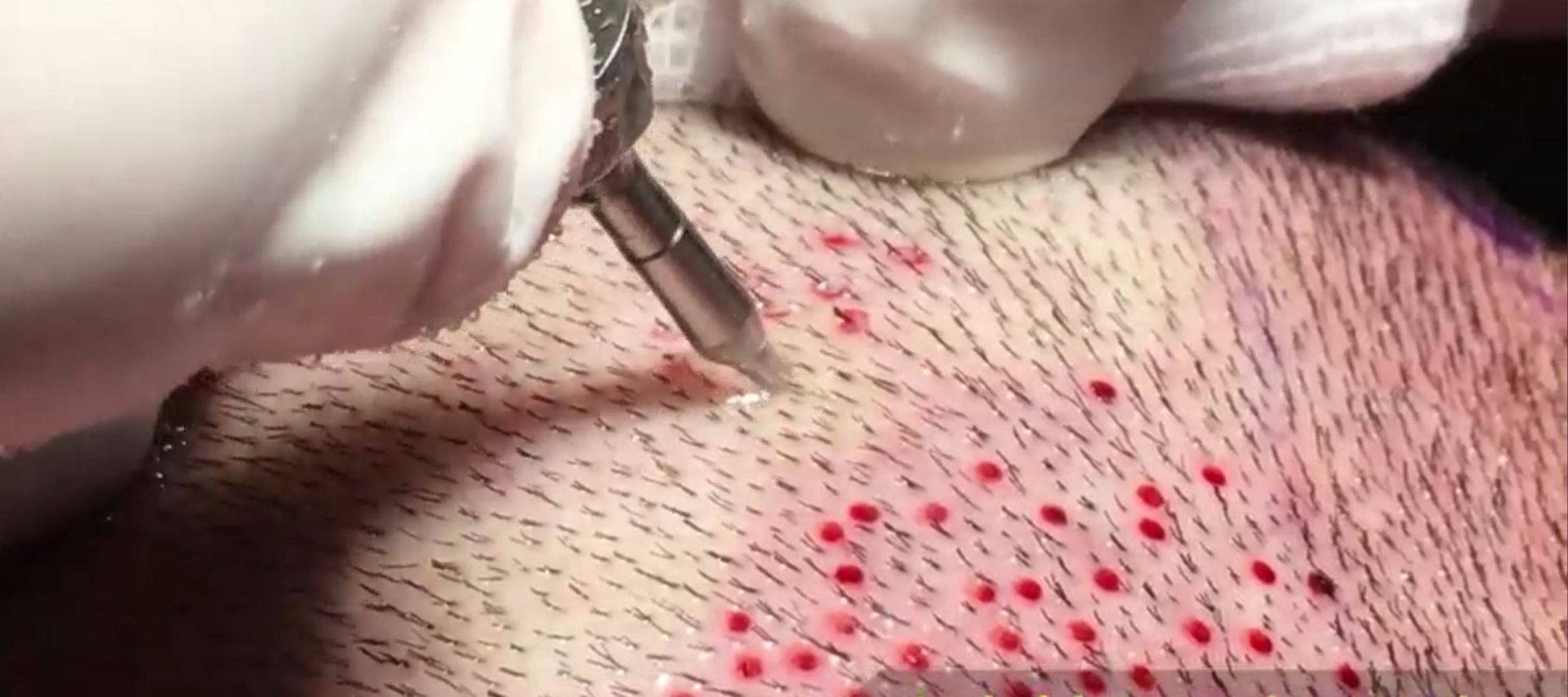
A small punch is used to remove healthy follicular units from the donor area. The grafts are checked individually so the right follicle can be placed in each part of the scar.
Fine recipient sites are then created through the scar tissue. Their direction and angle are matched to the hair around them before the grafts are inserted. Single-hair follicles are particularly useful at visible edges and in areas such as the eyebrows, beard and frontal hairline.
Scar tissue should not be packed as aggressively as healthy scalp. The grafts need enough circulation to settle and grow, so a lower initial density is often the better approach.
The early crusts normally heal over the first 10 to 14 days. The transplanted hairs then tend to shed before new growth starts during the following months.
Can I Have a Hair Transplant Over My Scar?
Hair can be transplanted into many surgical, traumatic and burn scars, but not every scar will support reliable growth. Suitability depends on the condition of the tissue underneath the visible surface.
A hypertrophic scar is thicker and more raised than the surrounding skin. Restricted circulation through that tissue can reduce the number of transplanted follicles that grow successfully.
An atrophic scar is thin or sunken. In this situation, the tissue may be too shallow or delicate to hold grafts at the usual depth. Placement has to be adjusted and the achievable density may be lower.
The assessment will also consider:
- the cause and age of the scar;
- whether it has fully healed and stopped changing;
- its colour, thickness, texture and flexibility;
- the quality of its blood supply;
- the strength of the available donor hair;
- any history of keloid or poor scar formation;
- active infection, inflammation or scarring hair loss.
A small test session can be useful when the scar’s response is uncertain. This allows the healing and initial growth to be reviewed before a larger number of follicles is committed.
Inflammatory conditions
A scar linked to inflammatory hair loss should not be transplanted while the disease is active. The surgeon will ask about previous flare-ups, treatment and current symptoms before discussing an operation.
If inflammation returns, it can damage both existing and transplanted follicles. The condition therefore needs to be medically stable before surgery proceeds.
How Much Does Hair Transplant Scar Repair Cost?
Price also depends on the condition of the scar, the donor hair available and whether the work can be completed in one session. If treatment needs to be staged, that will be explained before surgery is booked.
Finance is available for patients who prefer to spread the cost. Current information can be found on our hair transplant cost page.
Protecting the transplanted grafts
Follow the washing and aftercare instructions provided by your surgeon. The recipient area should be kept clean, but the new grafts must not be rubbed, scratched or picked while the early crusts are healing.
Antibiotic ointment or dressings should be used when they have been prescribed for your procedure. Do not add products to the area simply because they are sold as wound or hair-growth treatments.
Avoid direct sun, excessive heat and very hot showers during early recovery. Exercise, hats, haircuts and a return to normal washing should follow the timings given by the clinic.
Diet and supplements
A balanced diet provides the protein, vitamins and minerals involved in normal wound healing and hair growth. If a deficiency is suspected, it should be assessed properly rather than treated with an unplanned mixture of supplements.
Tell the clinic about every vitamin, supplement and medication you take. Some products can interfere with bleeding, healing or prescribed treatment, so new supplements should be discussed before surgery.
More recovery information is available in our hair transplant aftercare guide.
Patient Reviews
Read what patients have said about their experience with Edinburgh Hair Transplant Clinics.
Your Questions Answered
Can hair follicles grow through scar tissue?
Will a transplant completely remove the scar?
Does FUE leave a scar?
Can an FUT strip scar be covered with FUE grafts?
Can scars in the beard or eyebrow be treated?
Could I need a second procedure?
How much does scar-repair transplantation cost?
Should I use antibiotics or vitamins after surgery?
Book a Scar-Repair Consultation in Edinburgh
Have the scar and donor area examined properly before deciding on surgery. We will explain whether treatment is suitable, how the grafts would be placed and what level of coverage can be achieved.
Book Your Free Consultation Call 0131 639 0004

