
Hair transplant methods: FUE, DHI and FUT
This page compares how hair transplants are carried out. For procedure-specific prices, recovery and patient results, see our FUE hair transplant in Edinburgh page.
Certifications:


How Do Hair Transplant Procedures Work?
A hair transplant moves growing hair follicles from a donor area, usually the back or sides of the scalp, into areas where coverage has been lost. The aim is to improve the shape of your hairline or the density of a thinning area using your own hair. It redistributes a limited supply of follicles, so deciding where to place them is an important part of the consultation.
Hair loss can affect the temples, the front of the scalp or the crown. It can also look different from one person to the next. Before discussing graft numbers, your surgeon needs to establish the cause of the loss and examine the strength of the donor hair. Our hair loss page explains some of the causes of thinning and shedding.
Surgery can be an option for suitable men and women with permanent pattern hair loss. Temporary shedding, active scalp disease and patchy conditions such as alopecia areata need a different assessment. Medication, cosmetic camouflage or choosing to have no treatment may be more appropriate. The BAAPS guide to hair transplantation explains why suitability matters.
What Happens During a Hair Transplant?
Your consultation is the time to discuss what you would like to change and what your donor hair can realistically support. At Edinburgh Hair Transplant Clinics, you can discuss this with Dr Harpreet Kalra. The assessment considers your medical history, previous treatment, the pattern of loss and the possibility of further thinning. A lower hairline or a larger treated area uses more grafts, which can affect what remains available for the future.
On the day, the agreed treatment area and hairline are marked before the scalp is numbed with local anaesthetic. The injections can sting briefly. Once the area is numb, you may feel pressure or movement; tell the team if you feel discomfort so they can check the anaesthetic. The time needed depends on the method and the amount of work involved, and some treatment plans require more than one session.
Grafts are taken from the donor area, prepared and placed in the recipient area. Hair direction, angle and the distribution of grafts all contribute to the appearance. Ask who will carry out each stage of your procedure and who you can contact afterwards. The British Association of Hair Restoration Surgery provides useful questions to raise when choosing a surgeon.
You will receive instructions for washing, sleeping, exercise and protecting the grafts. Swelling, tenderness and scabbing can occur during early healing. As with any surgery, there are risks, including bleeding, infection, scarring and poor growth. Your surgeon should explain how these apply to you. Read our hair transplant aftercare guide alongside your individual instructions.
The result develops over months. Transplanted hair shafts often shed before new growth becomes visible, and the surrounding hair may continue to thin. Our recovery timeline explains the stages; the NHS hair transplant guide also covers recovery and possible complications.
Types of Hair Transplant Procedures
You will often see FUE, FUT and DHI mentioned together. FUE and FUT describe how donor grafts are collected. DHI describes a way of placing grafts with an implanter pen, usually after FUE collection. Understanding that distinction makes it easier to compare what a proposed procedure involves.
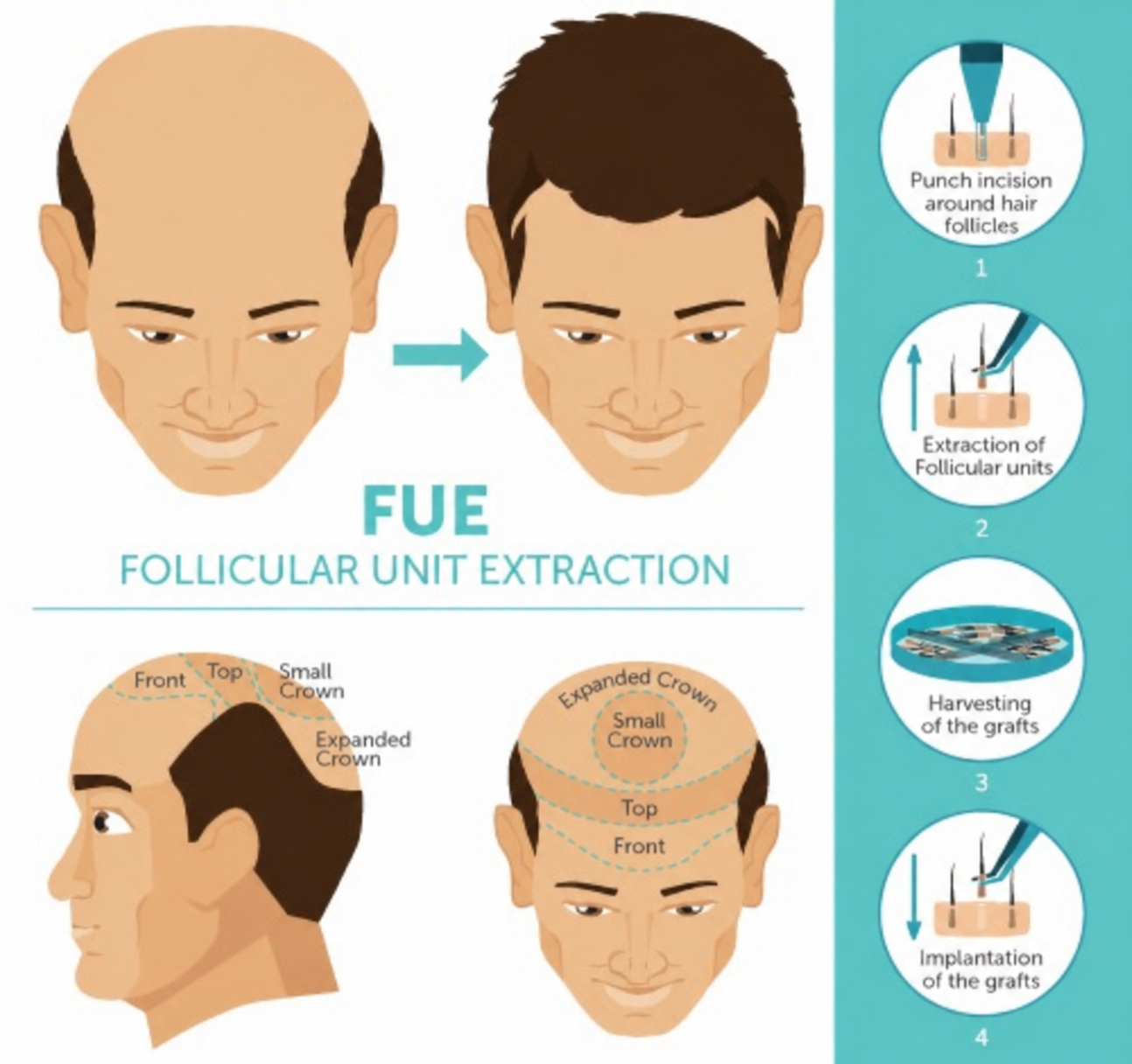
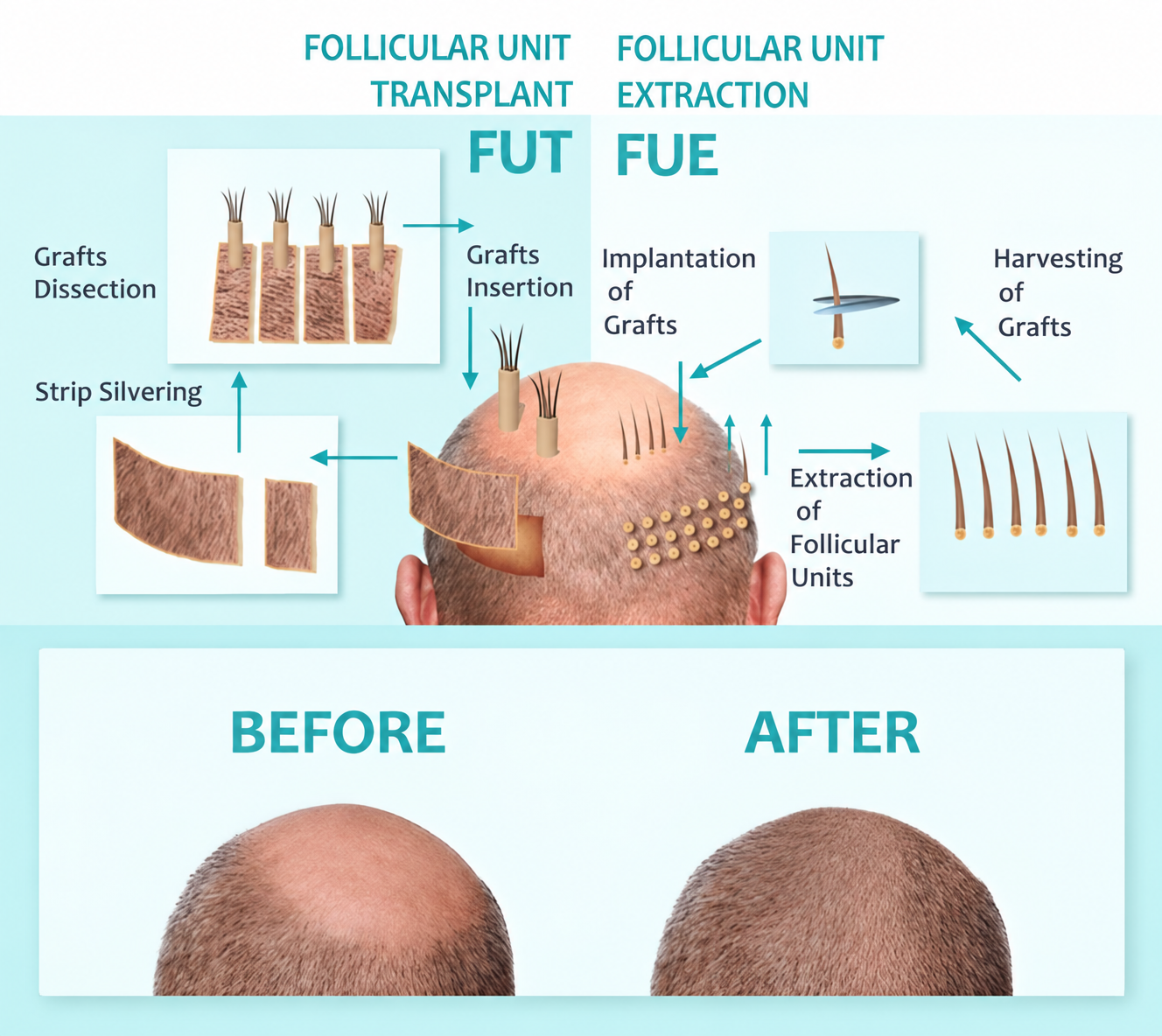
- Follicular Unit Extraction (FUE) : Individual follicular units are removed from the donor region using a small punch. This allows grafts to be collected from selected points across the area. FUE leaves small round scars rather than a single linear scar, and careful spacing matters because removing too much hair can leave the donor area looking thin. Shaving requirements depend on the treatment plan and should be discussed before booking.
- Follicular Unit Transplantation (FUT): A strip of hair-bearing scalp is removed from the donor area and divided into individual grafts under magnification. The wound is closed with stitches, leaving a linear scar. FUT may be considered when a larger graft supply is needed or when keeping the surrounding hair longer is a priority. Scalp flexibility, previous surgery and your usual hairstyle help inform whether it is suitable.
- Direct Hair Implantation (DHI): An implanter pen holds a graft and helps place it in the scalp. It is one of the instruments a surgical team may use during the placement stage. The name alone does not establish that a procedure will produce better density, faster healing or better growth. Ask why the proposed placement method suits your hair and treatment area.
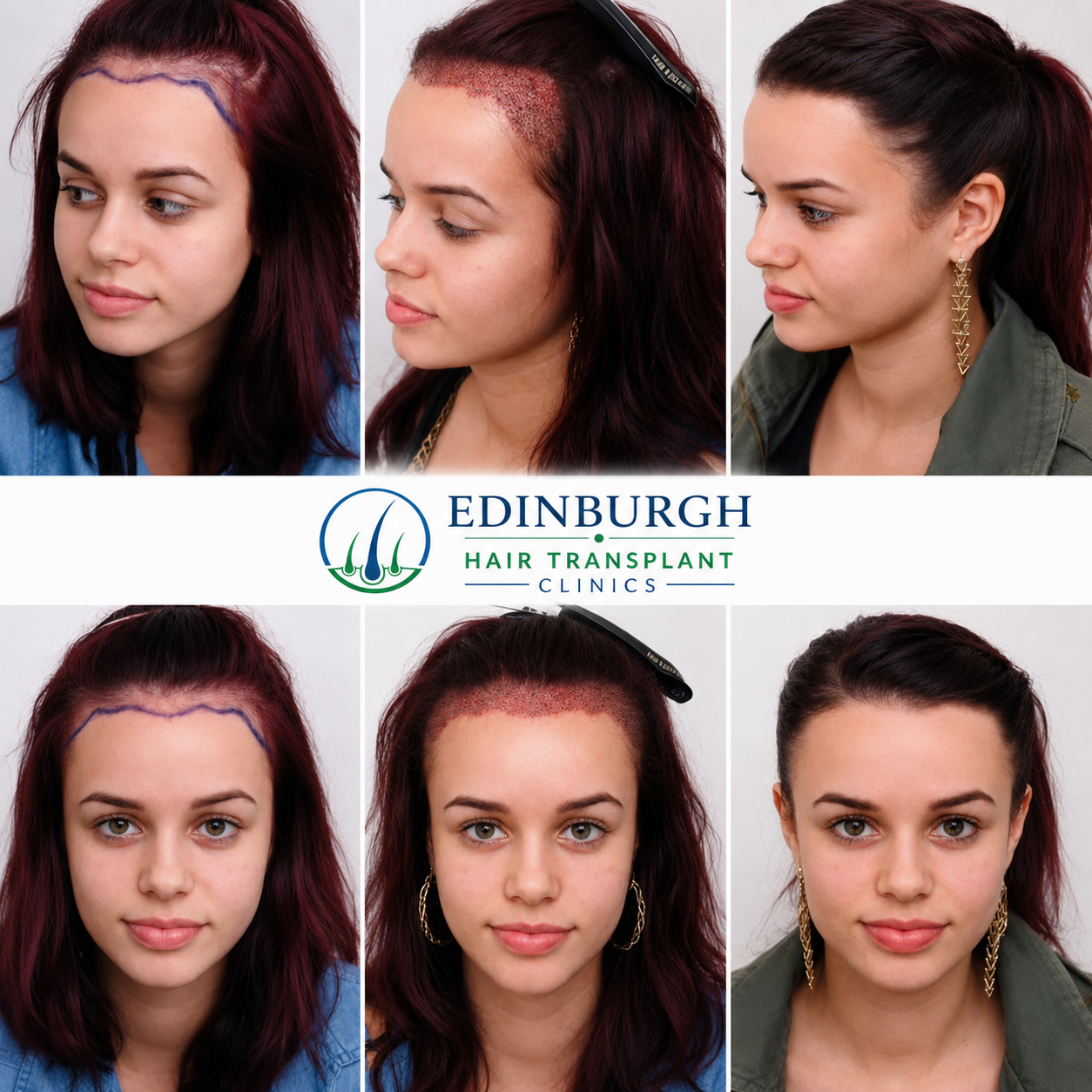
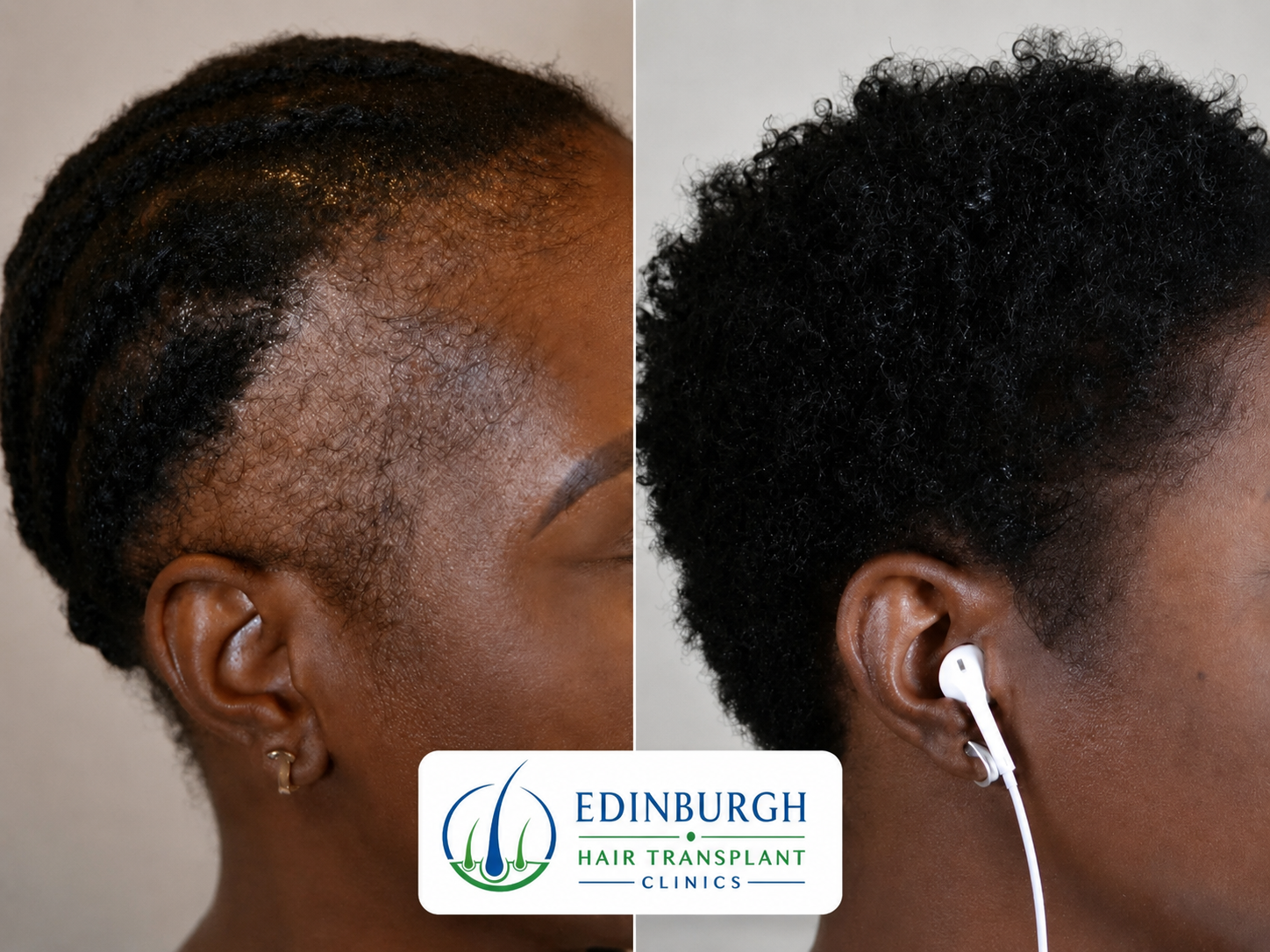
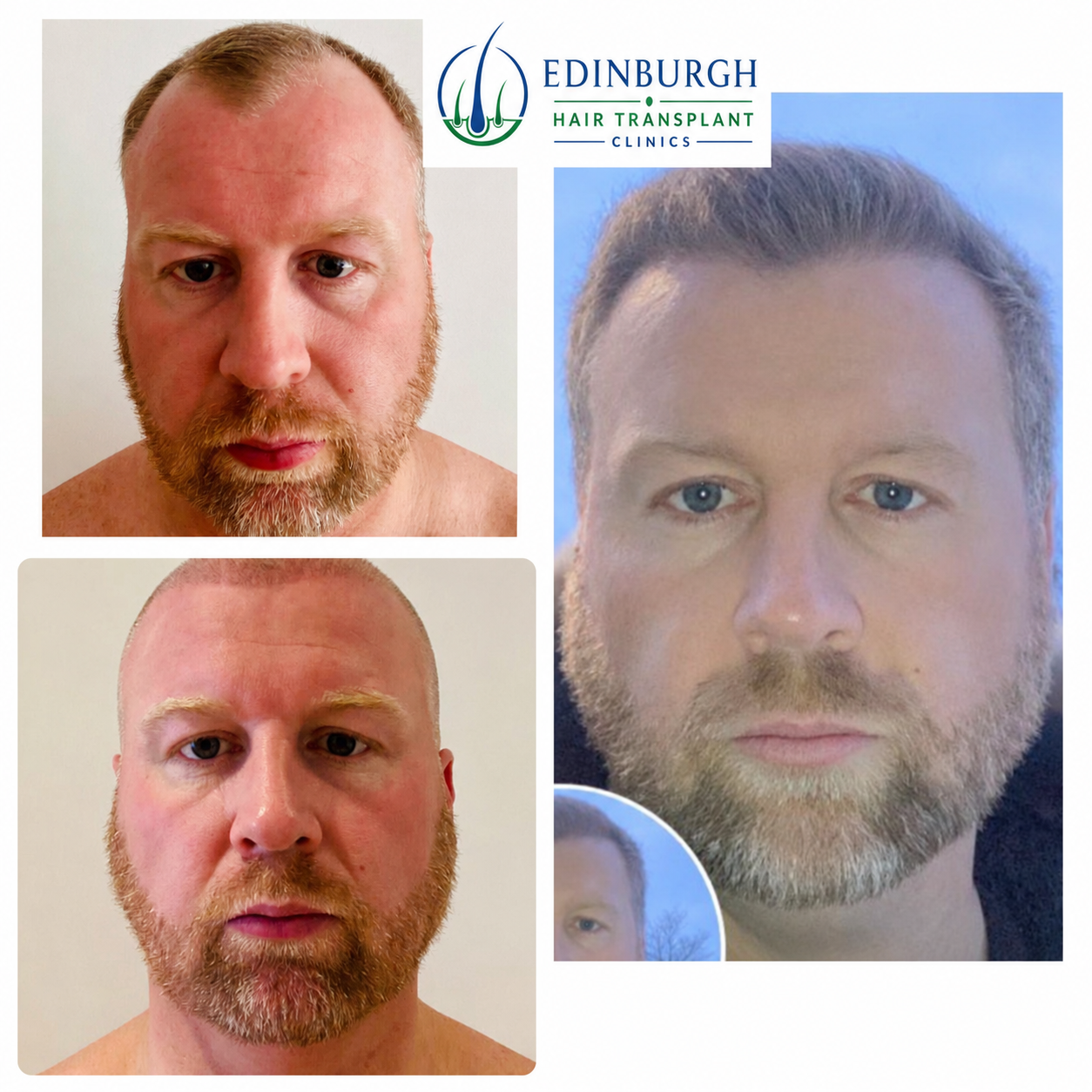
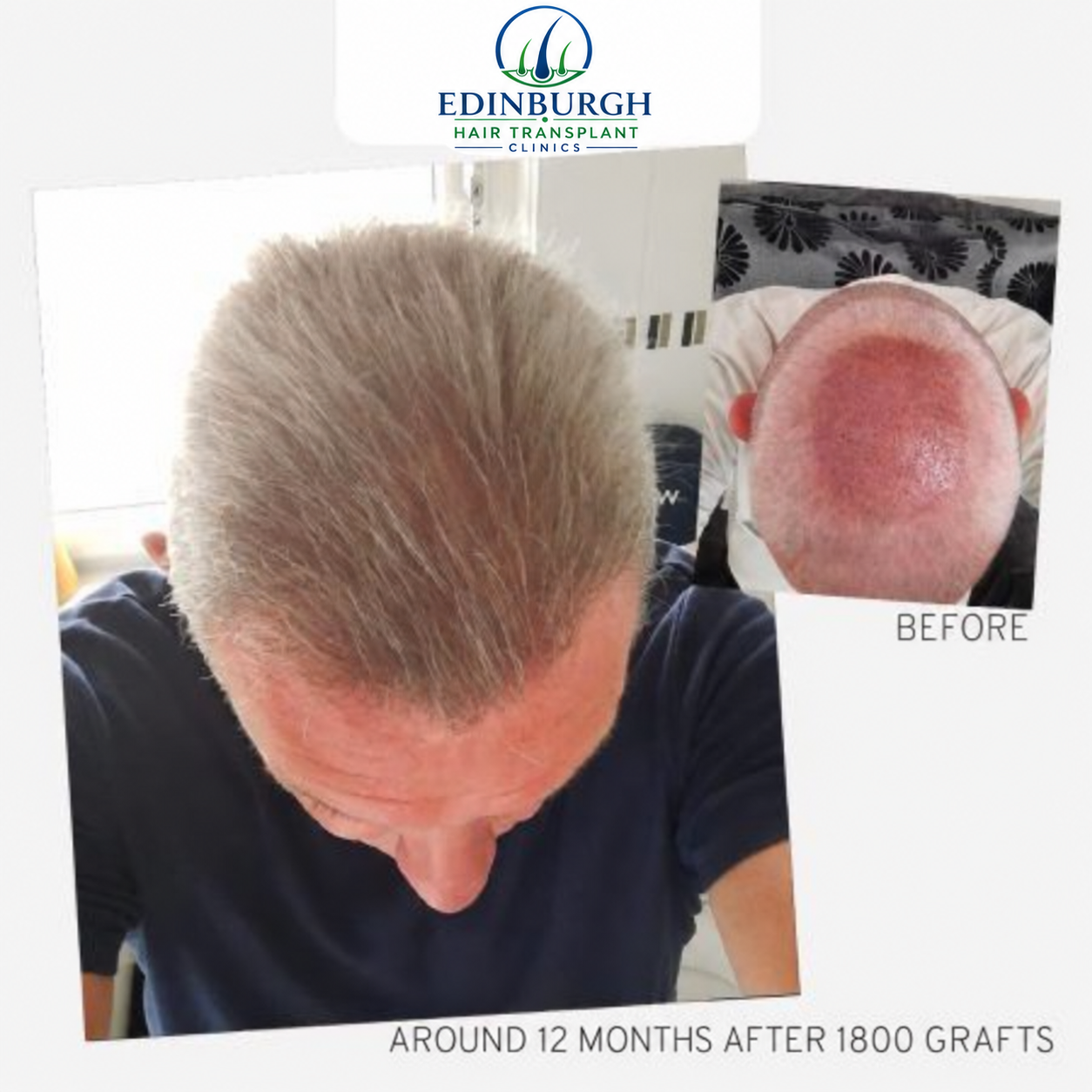
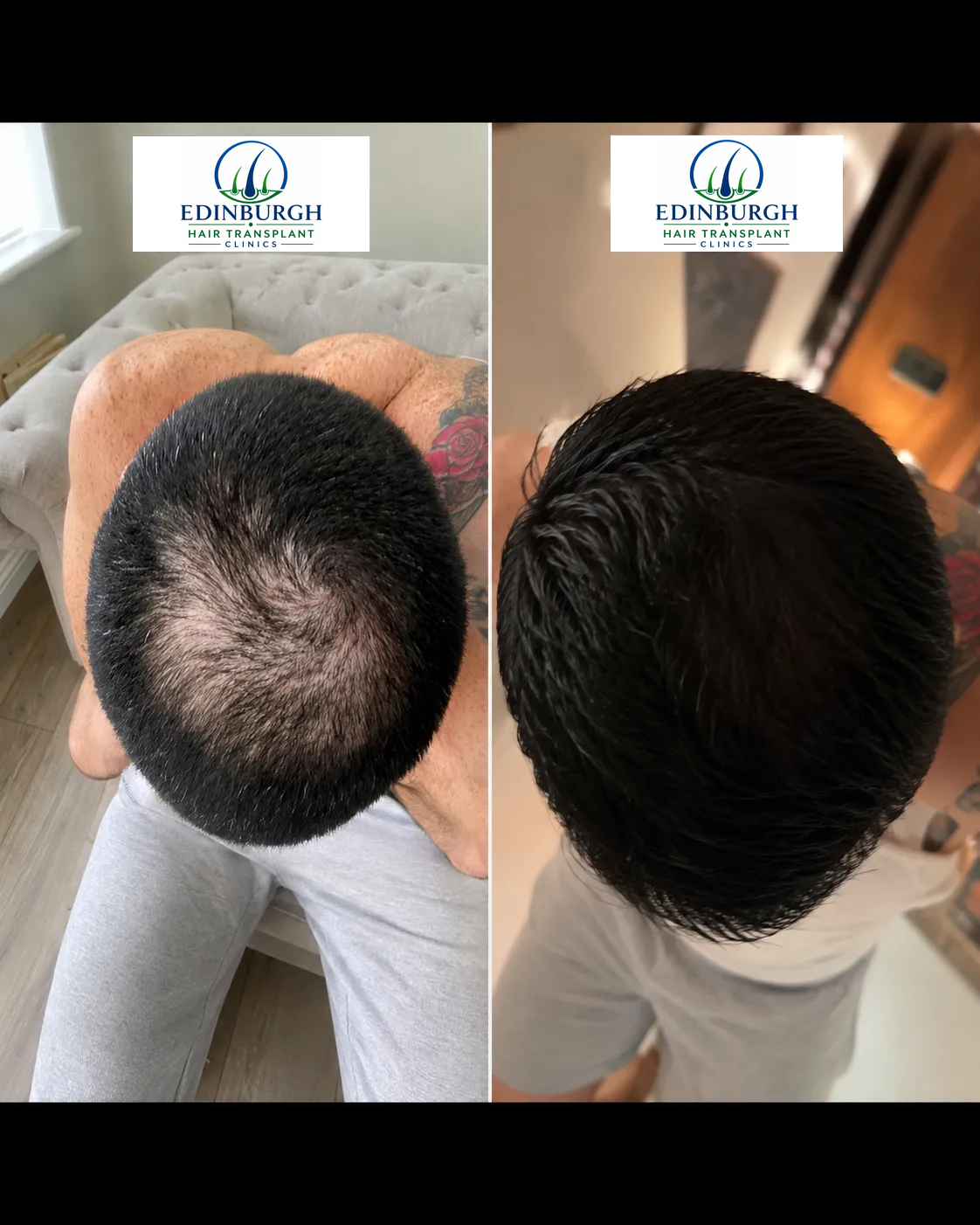
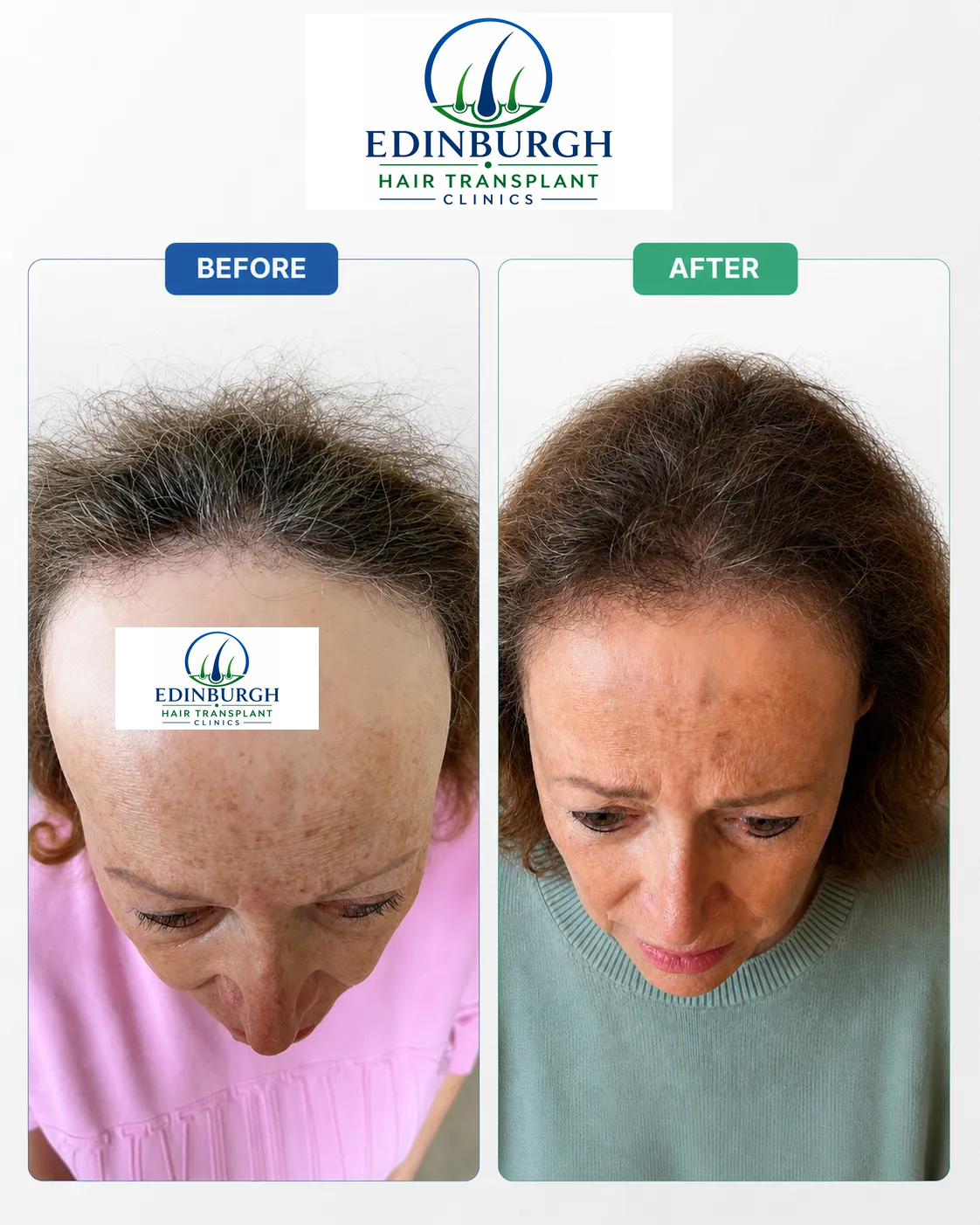
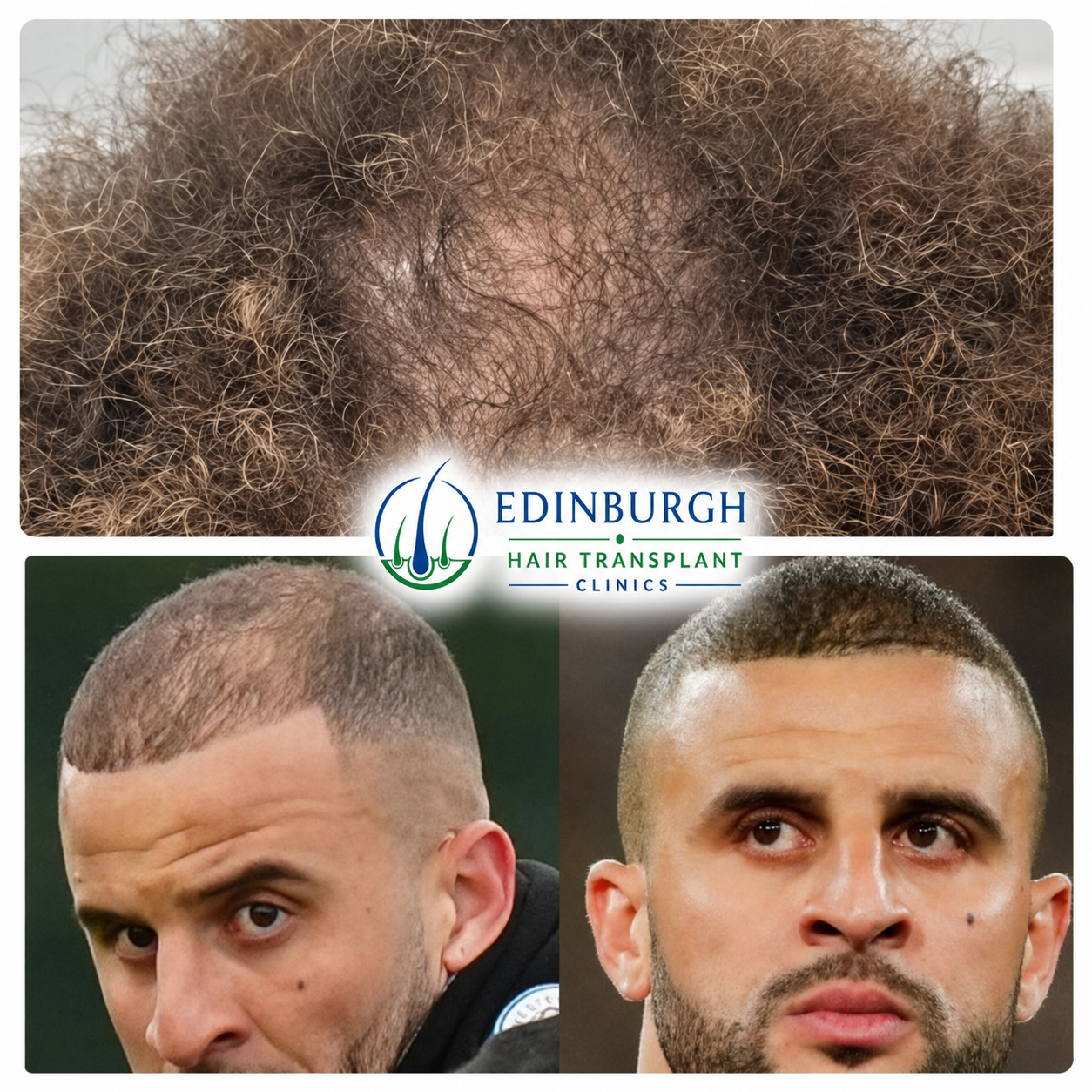
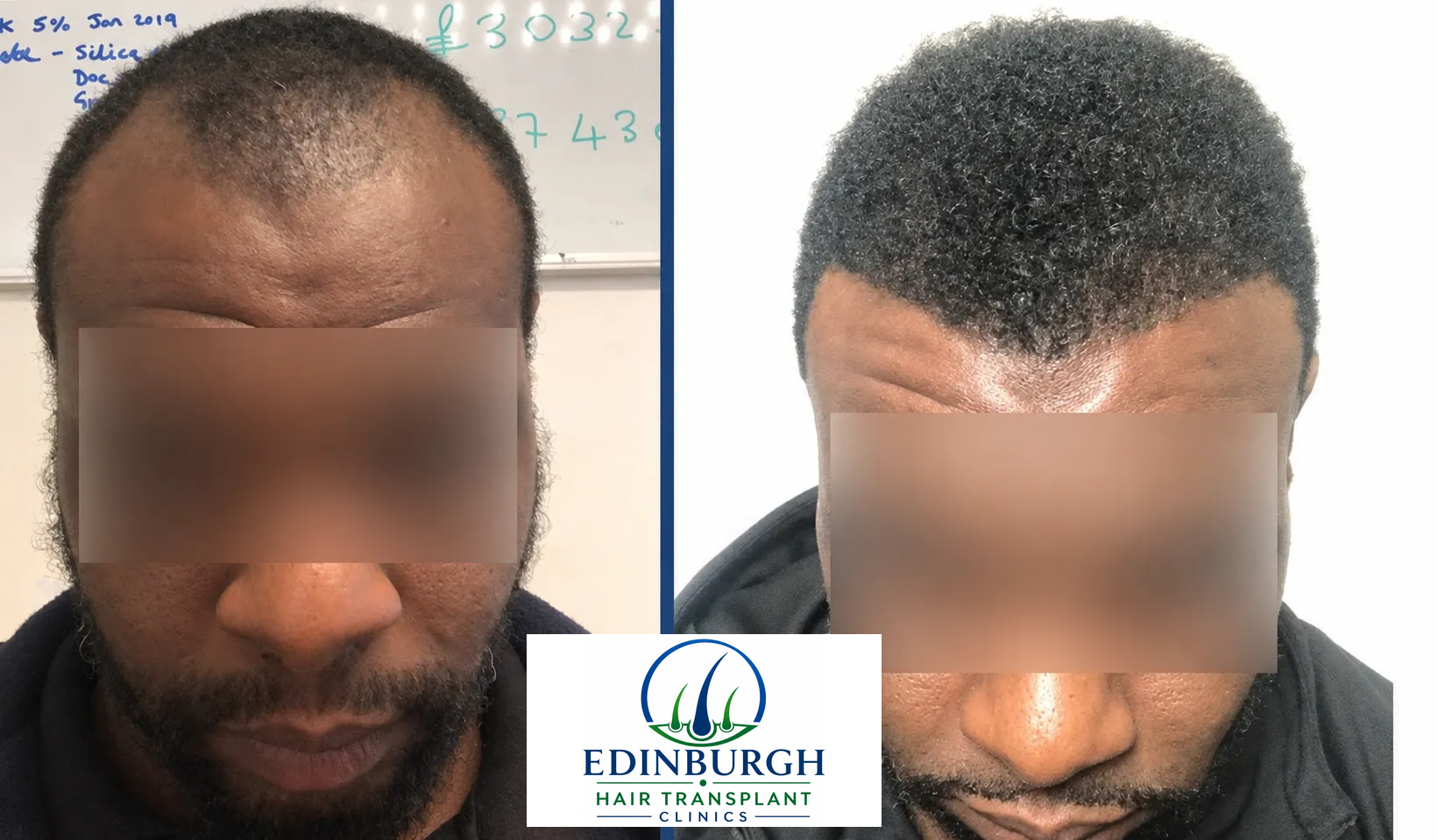
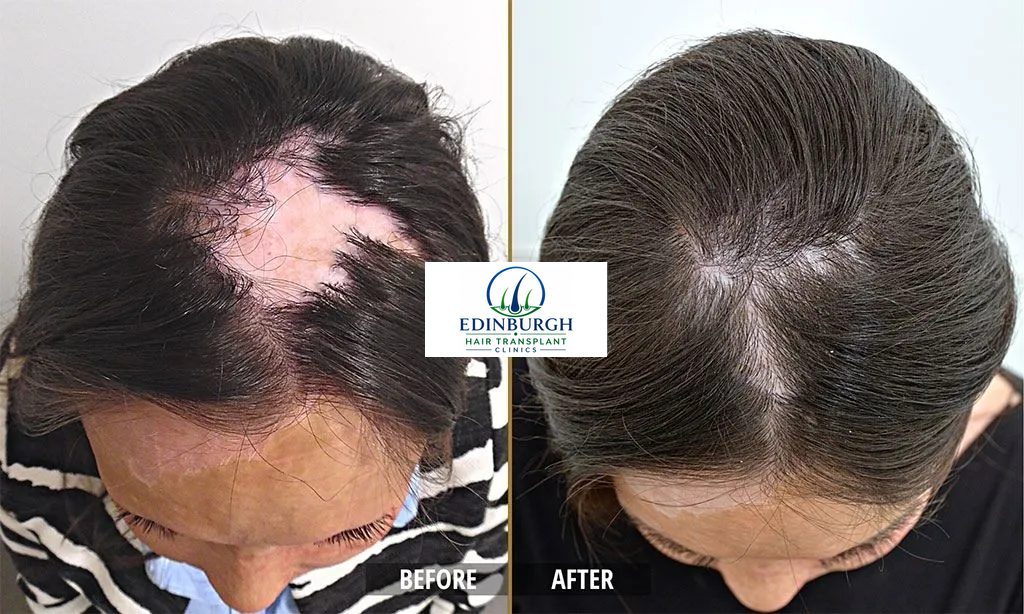
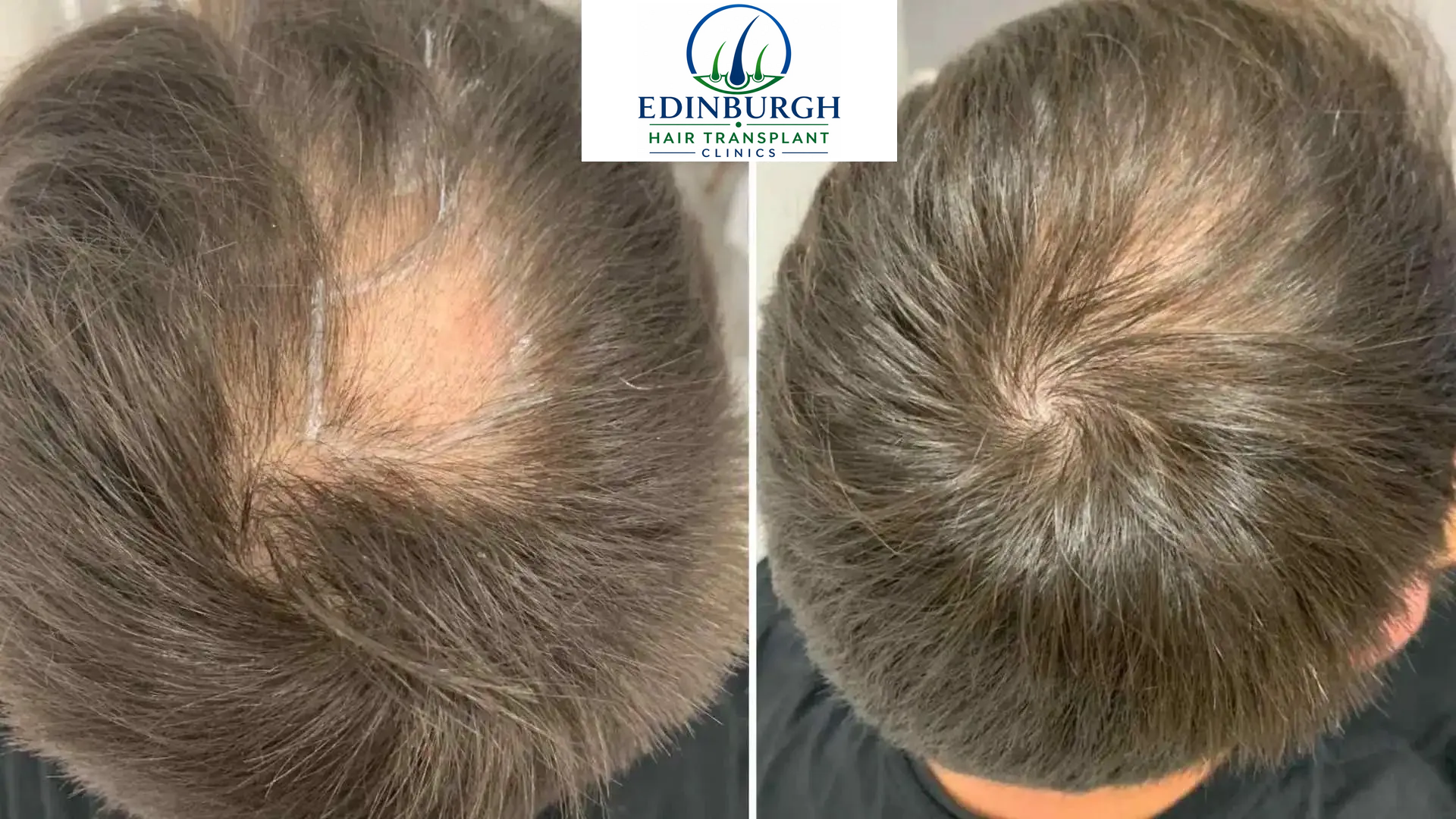
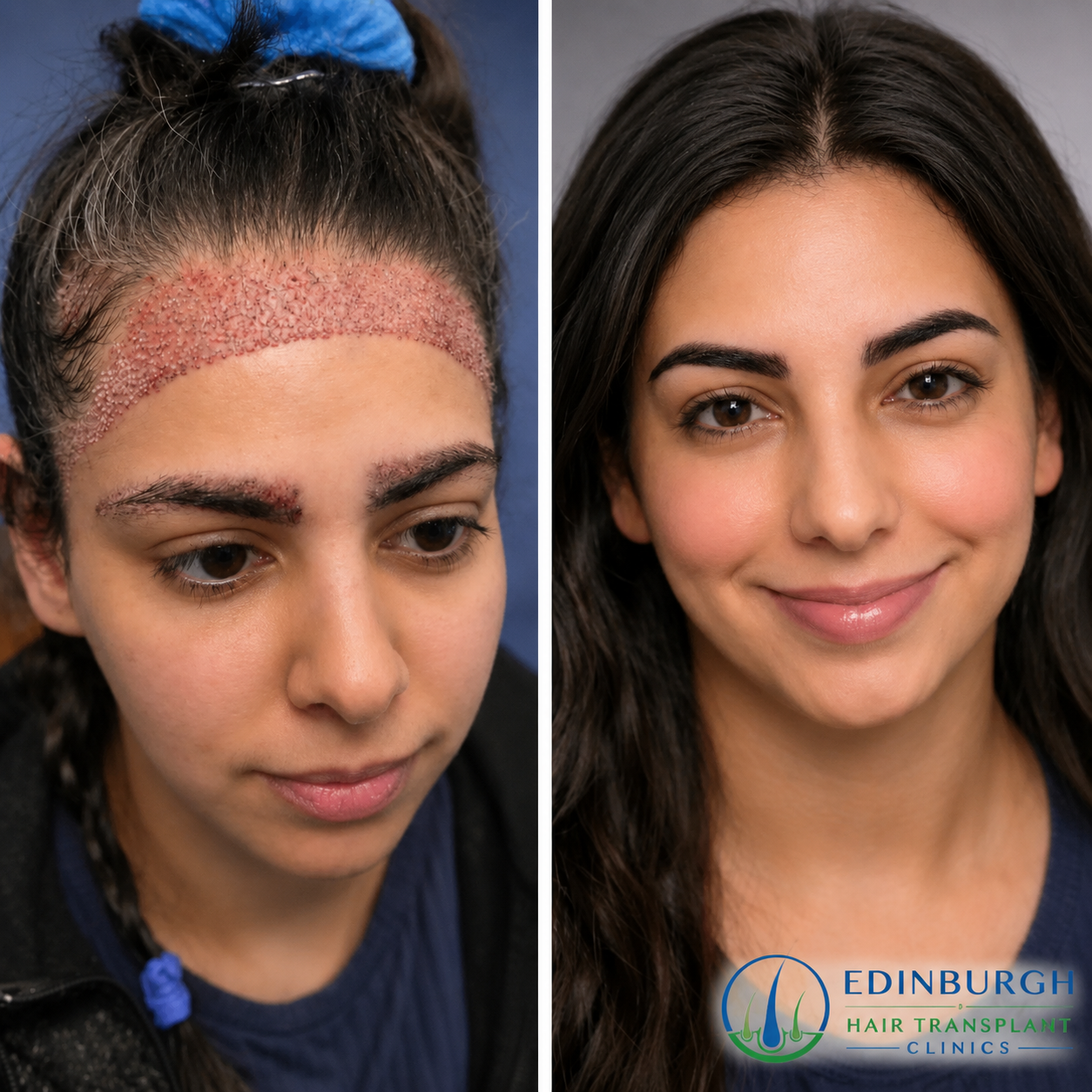
The right choice depends on your donor hair, the area being treated, your priorities and the surgeon’s assessment. You can explore our hairline transplant and women’s hair transplant pages for more specific information, or view our Edinburgh patient results to see examples of previous treatment.
We will explain the proposed approach and provide a quote after assessing what is involved. Our hair transplant cost page sets out the pricing information. If you already have a diagnosis or have had surgery elsewhere, include that when you request a consultation so the team can help you prepare.
FUE vs DHI: what are you actually comparing?
FUE and DHI describe different stages of a transplant, so a procedure can use both. The useful comparison is between complete treatment plans: how donor hair is collected, how grafts are handled and placed, who performs each stage and what follow-up is provided.
| Question | FUE | DHI |
|---|---|---|
| What the term describes | FUE: Collection of individual follicular units from the donor area. | DHI: Placement of grafts using an implanter pen. |
| How grafts are collected | FUE: Small punches remove selected follicular units. | DHI: Often uses FUE collection before the implantation stage. |
| Scarring | FUE: Small round extraction scars remain in the donor area. | DHI: DHI placement does not remove the scars associated with graft collection. |
| Shaving | FUE: Full or partial shortening may be needed, depending on the plan. | DHI: Shaving requirements still depend on collection, the treatment area and the team’s approach. |
| Recovery and growth | FUE: Healing depends on the procedure, graft handling, aftercare and the individual. | DHI: The label alone does not establish faster recovery, better survival or greater density. |
| Comparing a quote | FUE: Check the planned area, donor assessment, team and follow-up. | DHI: Ask what the pen-based placement changes in your particular treatment plan. |
An implantation instrument cannot compensate for an unsuitable donor area or an unrealistic hairline. Our donor area guide explains the assessment behind a safe, sustainable graft plan.
Questions that make quotes easier to compare
- Will my grafts be collected by FUE, FUT or another specified approach?
- Why is the proposed placement method suitable for my hair and treatment area?
- Who will carry out the collection, recipient-site preparation and implantation?
- What is included in aftercare, and how will concerns about healing or growth be assessed?
There is no universal winner based on the acronym alone. Ask for the reasons behind the recommendation, including the likely coverage, donor limitations and risks. A more expensive label does not, by itself, demonstrate a better result.
Your Questions Answered
If you are considering a hair transplant in Edinburgh, bring your questions about the procedure, recovery and likely coverage to a consultation. We can explain the appointment arrangements and help you understand what information the surgeon will need.
Call 0131 639 0004 or use our consultation form. Our Edinburgh clinic is at 83 Princes Street, Edinburgh, EH2 2ER.