Hair transplant donor area: graft supply, healing and planning
The hair at the back and sides of your head is a limited resource. A sensible transplant plan starts with what can safely be taken from it.

What is the donor area?
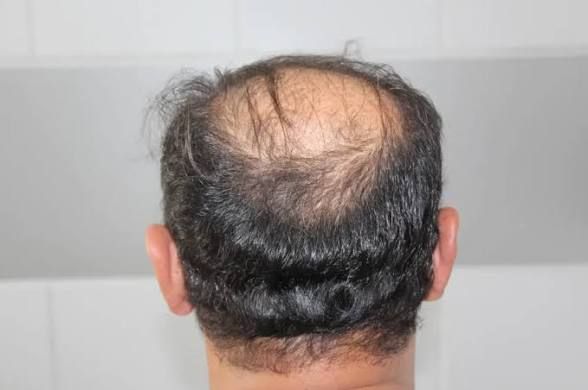
The donor area is the part of the scalp from which follicles are collected for transplantation. Surgeons usually assess hair at the back and sides because it is often more resistant to the process that causes male pattern hair loss. The boundaries vary between people; the whole back of the head is not automatically suitable.
A graft is a small group of follicles, rather than a single hair. Moving grafts redistributes existing hair: it does not create a new supply. The aim is therefore to improve coverage while leaving the donor region looking reasonably even.
What the surgeon needs to assess
A close examination matters more than a photograph of the hairline alone. The assessment should consider:
- Density and hair thickness: the number of follicular units and the calibre of their hairs both influence coverage.
- Hair characteristics: curl, colour contrast with the scalp and the way you wear your hair affect how thinning is seen.
- Miniaturisation: finer or weakening hairs in a proposed donor region can change whether it is suitable.
- Previous surgery: earlier extractions, scars and the pattern of remaining hair reduce the options available.
- Future loss: the plan must allow for existing non-transplanted hair continuing to thin.
Ask for an explanation of the donor assessment alongside the proposed graft number. Two people with a similar hairline may have quite different donor reserves.
FUE, FUT and DHI: what happens to donor hair?
With FUE hair transplantation, individual follicular units are removed using small punches. This leaves small round scars spread through the collection area. FUT removes a strip of scalp, from which grafts are separated, and leaves a linear scar. Neither approach is scar-free.
DHI describes an implantation approach, usually using an implanter pen. It does not provide an extra source of donor hair. An FUE collection stage may still be used before DHI placement. Our guide to transplant methods explains the difference between collecting and placing grafts.
The NHS hair transplant overview describes the main surgical approaches and their risks.
Healing, shaving and visible scars
Redness, tenderness and small crusts can occur after donor harvesting. Follow the operating team's washing, activity and aftercare instructions, and ask when you can return to your usual work and haircut. Advice depends on the procedure and your healing, so another patient's timetable may not fit yours.
Once a follicle has been removed by FUE, that follicle does not grow back in its original position. Surrounding hair can make the area less conspicuous as it lengthens. A very short haircut may reveal scars or reduced density more clearly.
Partial shaving and longer-hair options are not suitable for every case. Discuss your haircut and the practical visibility of treatment before booking. Increasing pain, spreading redness, discharge or feeling unwell should prompt contact with the treating team or appropriate medical care.
Protecting the donor supply over time
Taking too many grafts, or concentrating extractions in one place, can leave a patchy appearance. Collecting from hair that is likely to thin later also undermines the long-term result. The International Society of Hair Restoration Surgery discusses revision surgery, including the limits imposed by previous treatment and scarring.
A large graft target is not a benefit on its own. It may be better to prioritise the front, accept lighter crown coverage, or delay surgery while hair loss is assessed. If the donor supply cannot support a useful result, declining surgery can be the right decision.
Questions to bring to an Edinburgh consultation
Ask which area will be used, why it is considered stable, how the proposed number was calculated and what reserve would remain. Discuss the likely appearance with your preferred haircut, the expected scars and what happens if the hair behind a transplanted hairline continues to thin.
Bring details of any previous transplant and photographs showing how your hair has changed. You can check our consultation and surgical locations before arranging an assessment; the consultation address and operating site may be different.
Questions and answers
Does donor hair grow back after FUE?
The removed follicle does not regenerate at the extraction site. Hair left between extraction points continues to grow, which can help cover the small scars.
Can beard hair replace a weak scalp donor area?
Body or beard hair may be considered in selected cases, but its texture and growth characteristics differ from scalp hair. It is not a straightforward substitute for an unsuitable scalp donor area.
Is there a safe graft number for everyone?
No. The area available, its density, hair characteristics and previous harvesting need to be assessed together. A fixed package size cannot establish a safe number for an individual.
Can I have a second transplant?
Possibly, but the remaining donor supply and the reason for further treatment must be assessed. A previous procedure does not guarantee that enough suitable hair remains.
