


Hair Loss in Women in Edinburgh
A wider parting, less volume when styling or more hair in the shower can be unsettling. Women experience several different forms of hair loss, and the right approach depends on the cause. Gradual thinning, temporary shedding and patches of hair loss need different assessments and may need different treatments.
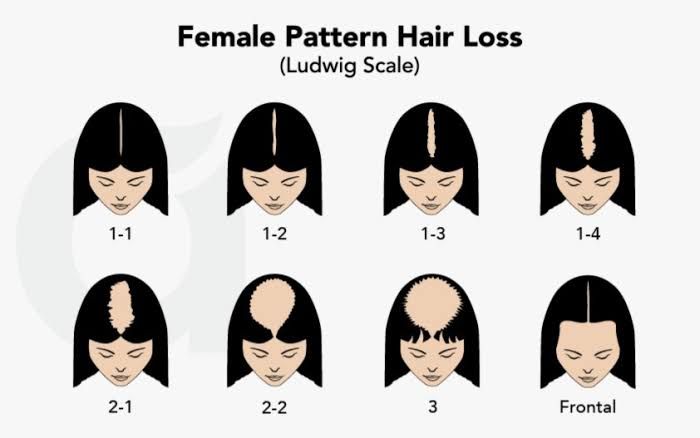
Female pattern hair loss often affects the top of the scalp while the front hairline remains relatively well preserved. This differs from the recession commonly associated with male pattern baldness. The DermNet guide to female pattern hair loss explains the typical changes. A diagram can help describe a pattern, but it cannot establish your diagnosis or predict your treatment needs.
Start by speaking to your GP if you are concerned, particularly if shedding is sudden or your scalp is sore. The NHS recommends finding the cause before approaching a commercial hair clinic. If you already have a diagnosis and want to discuss hair restoration, our Edinburgh team can arrange a consultation and explain the next steps.
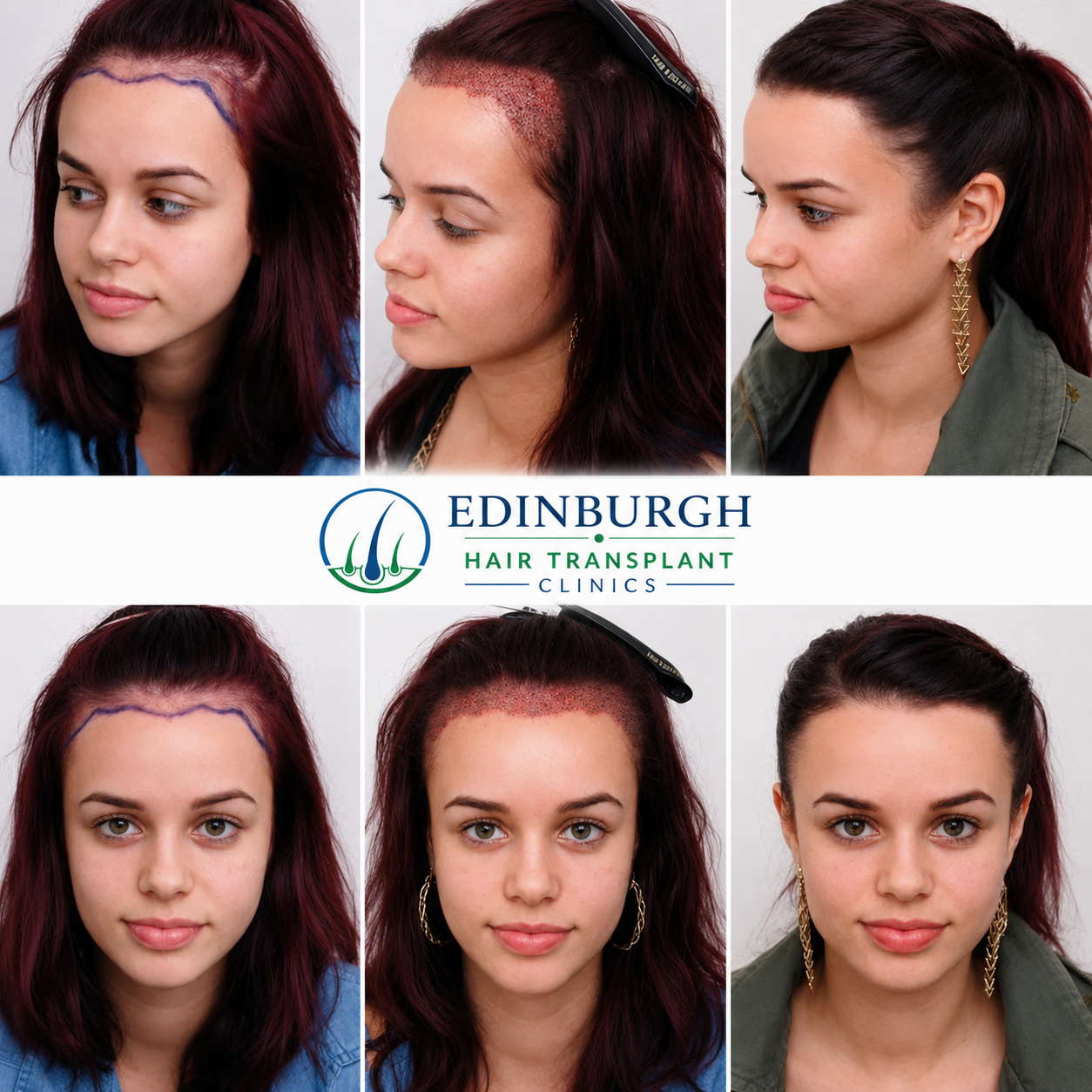
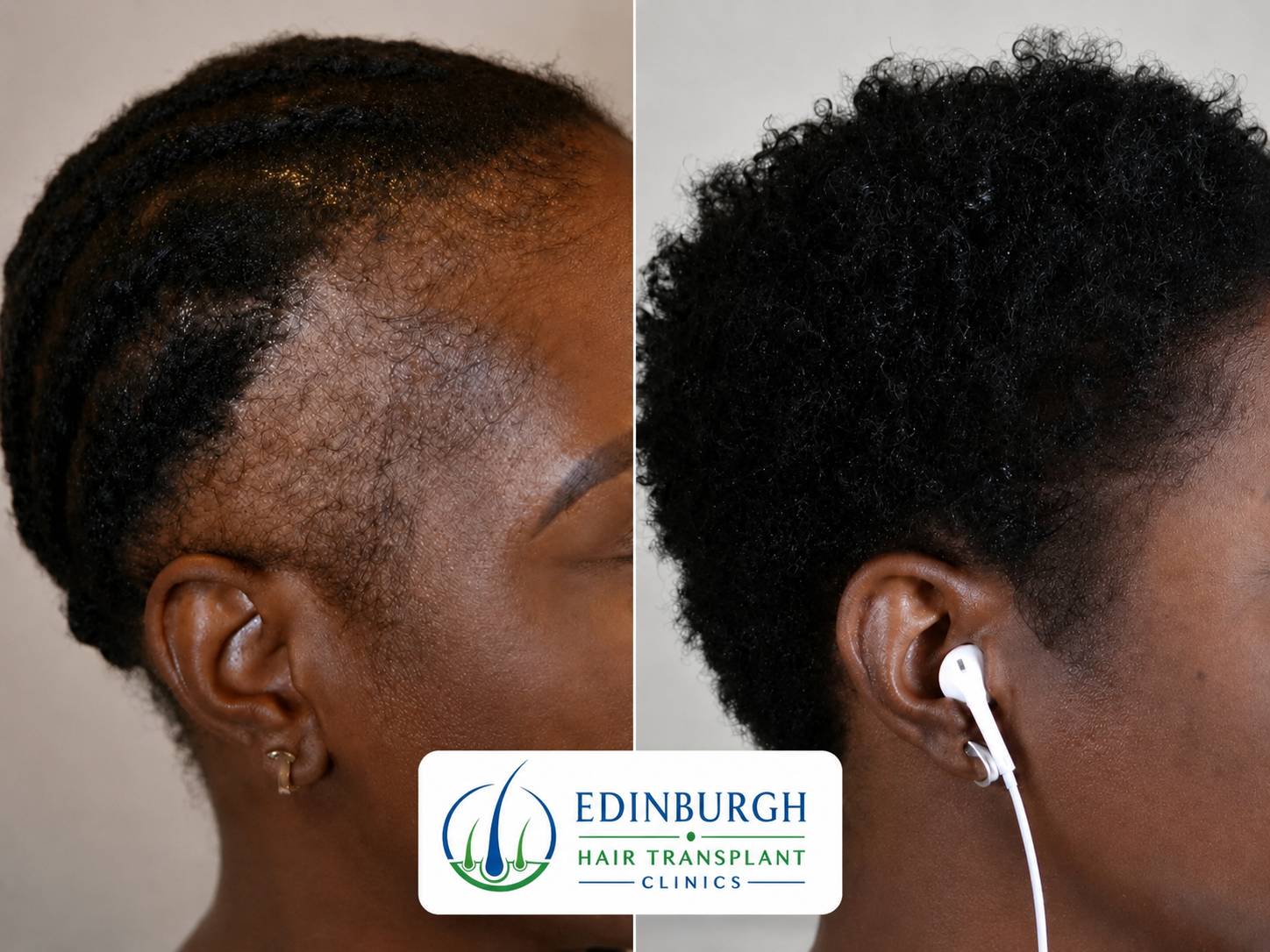
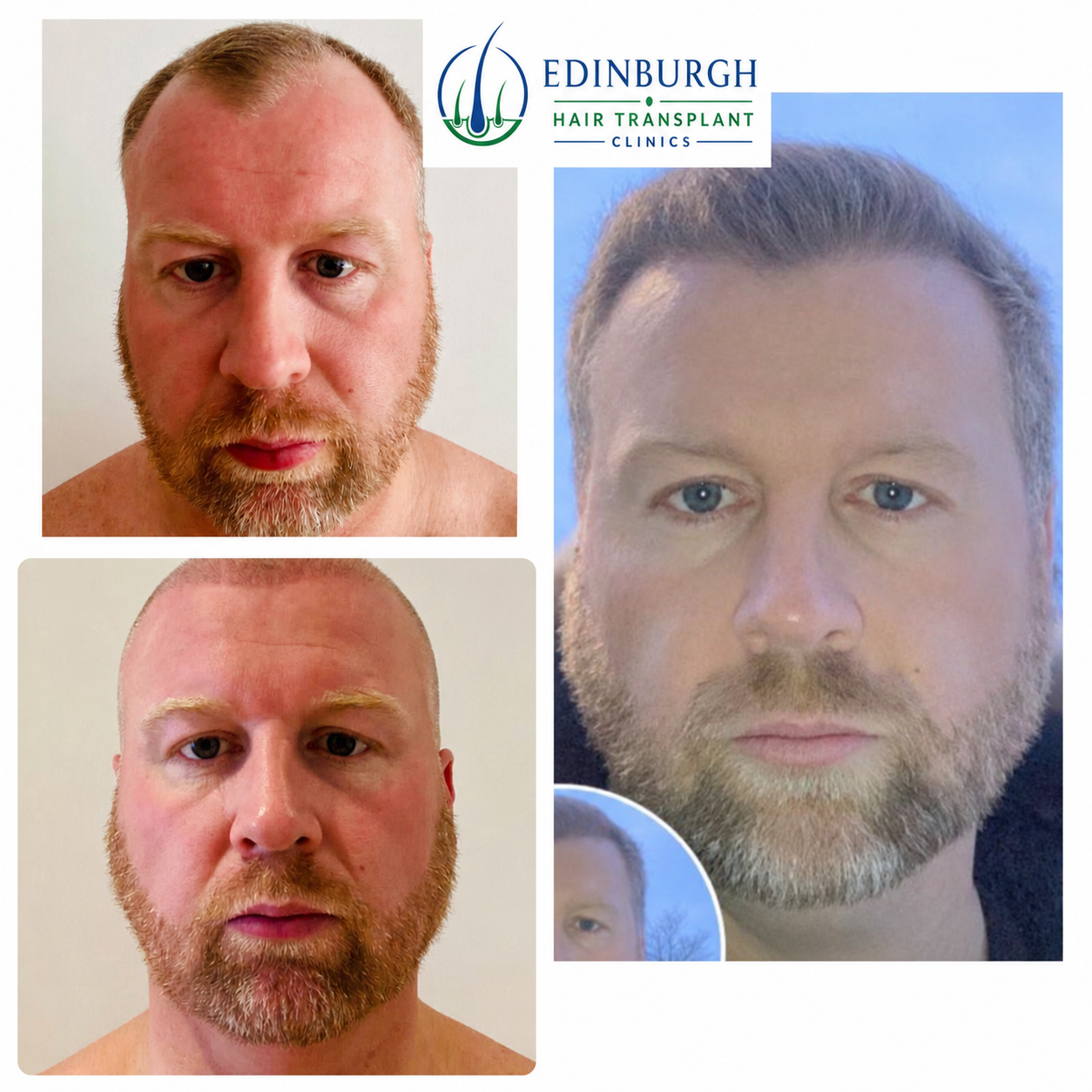
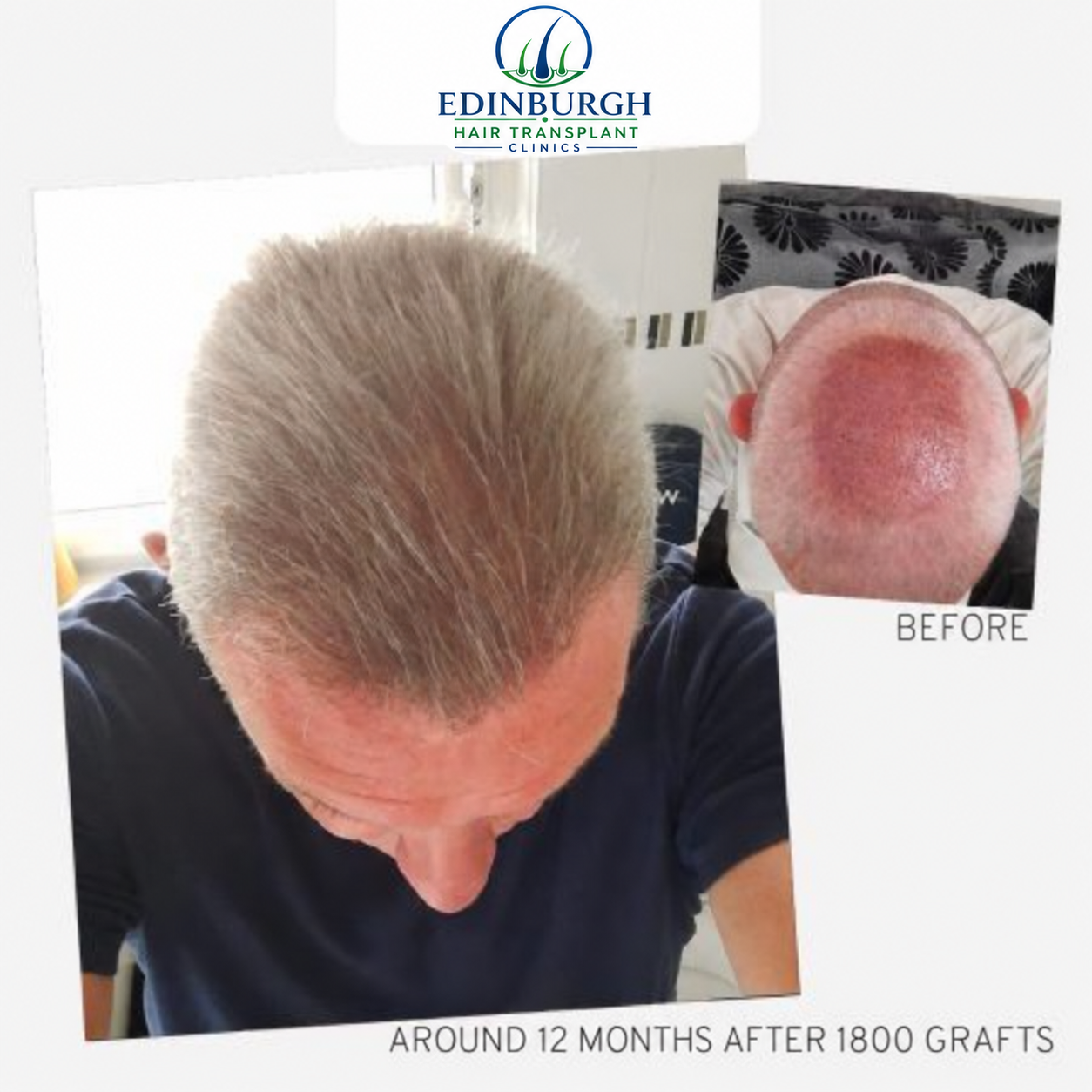
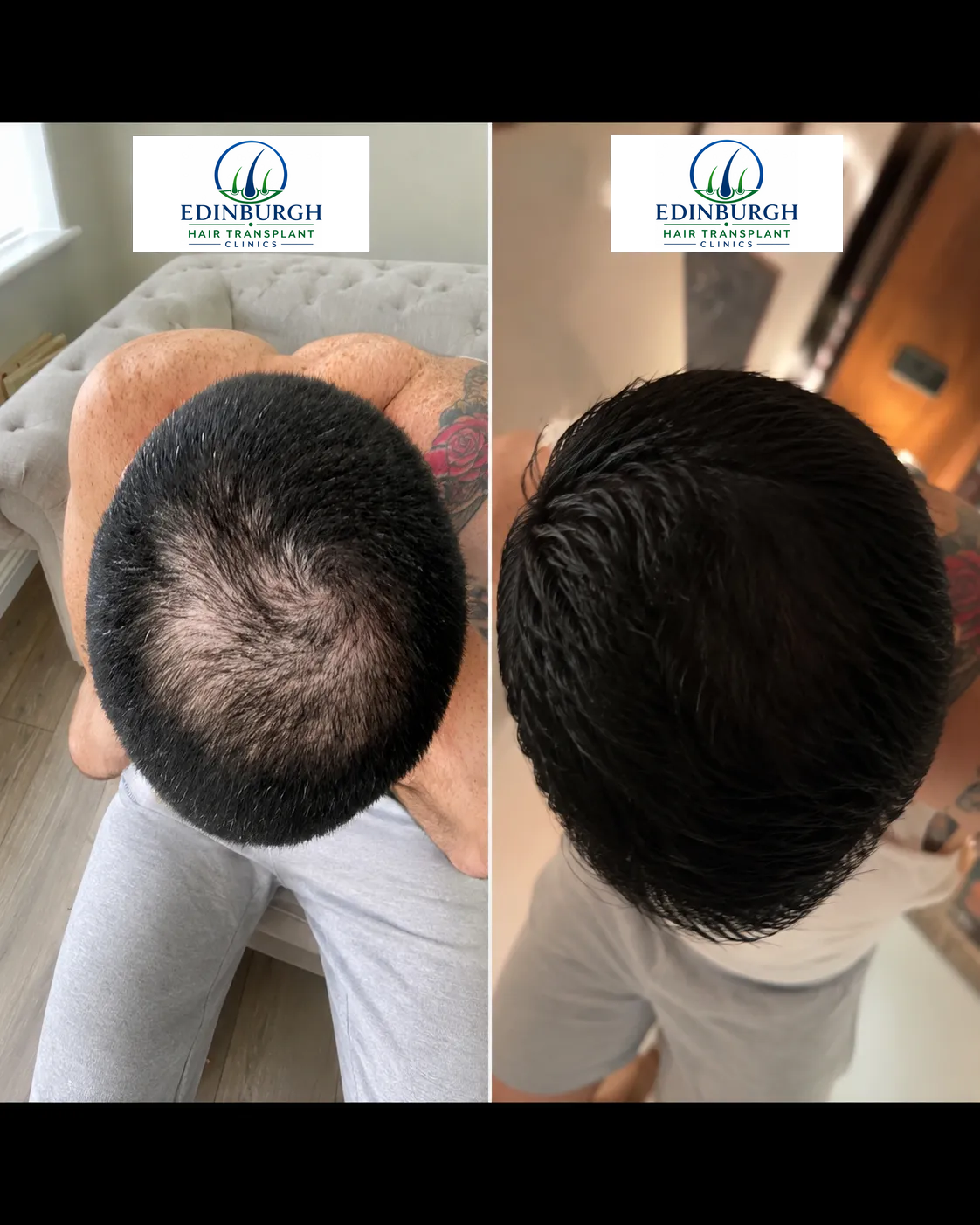
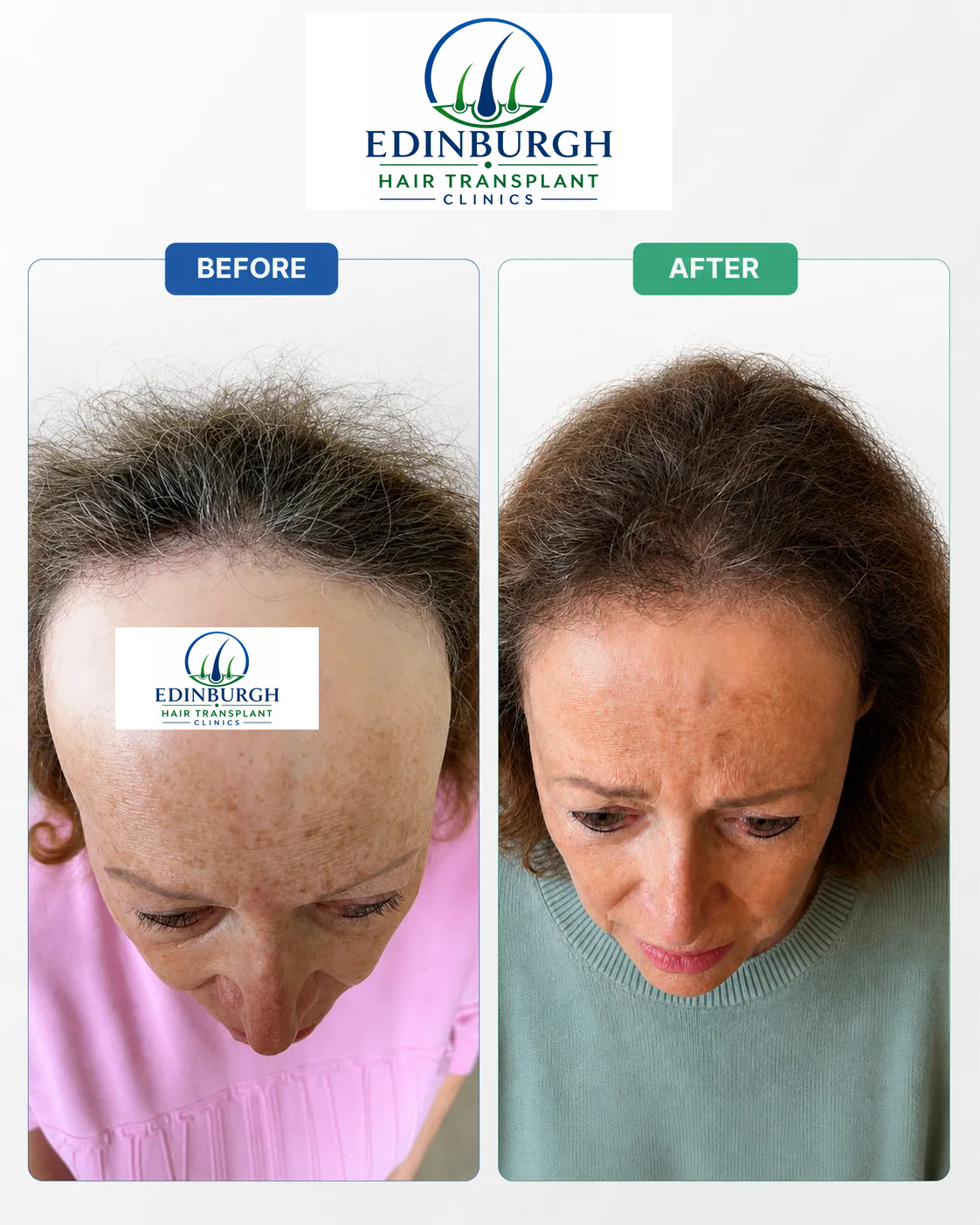
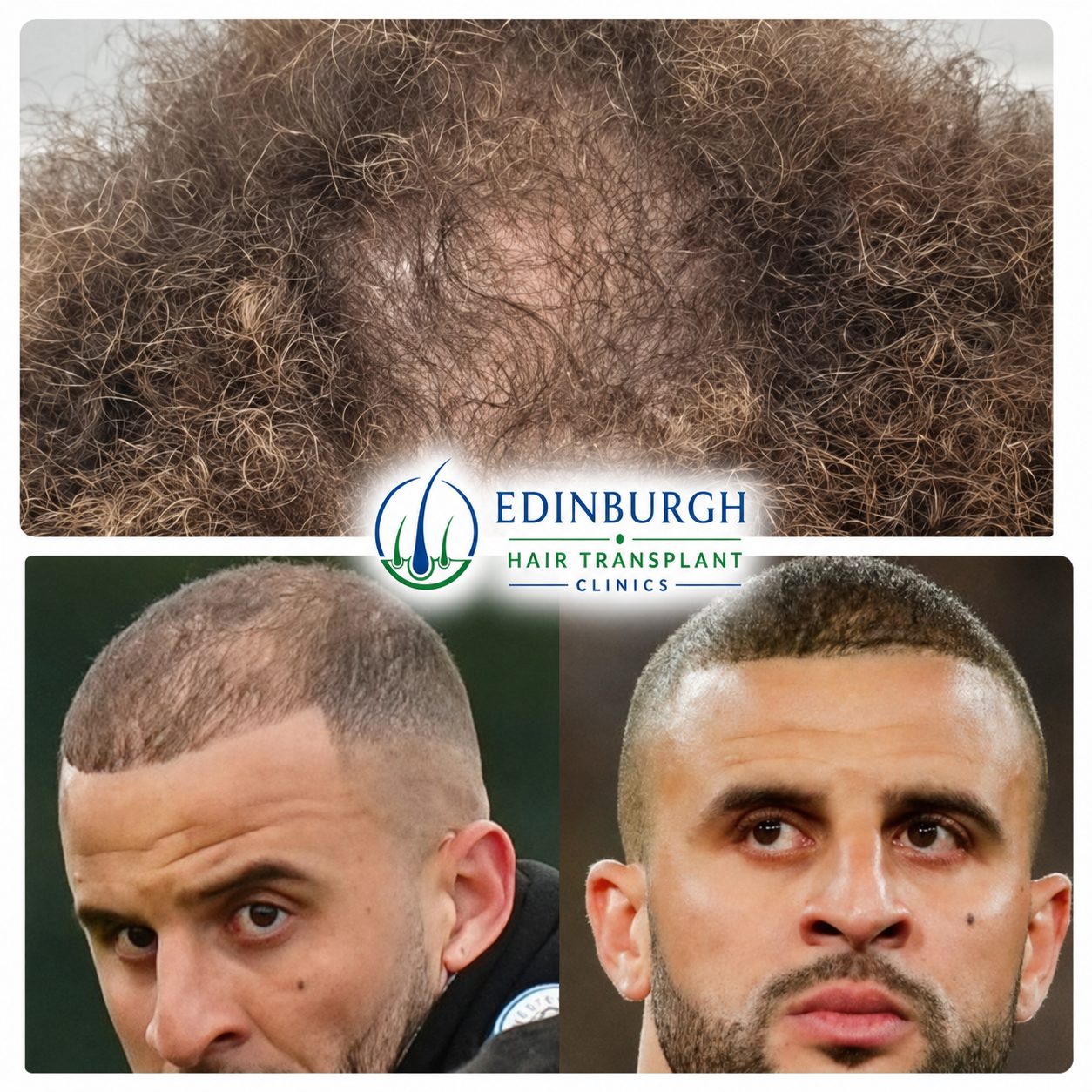
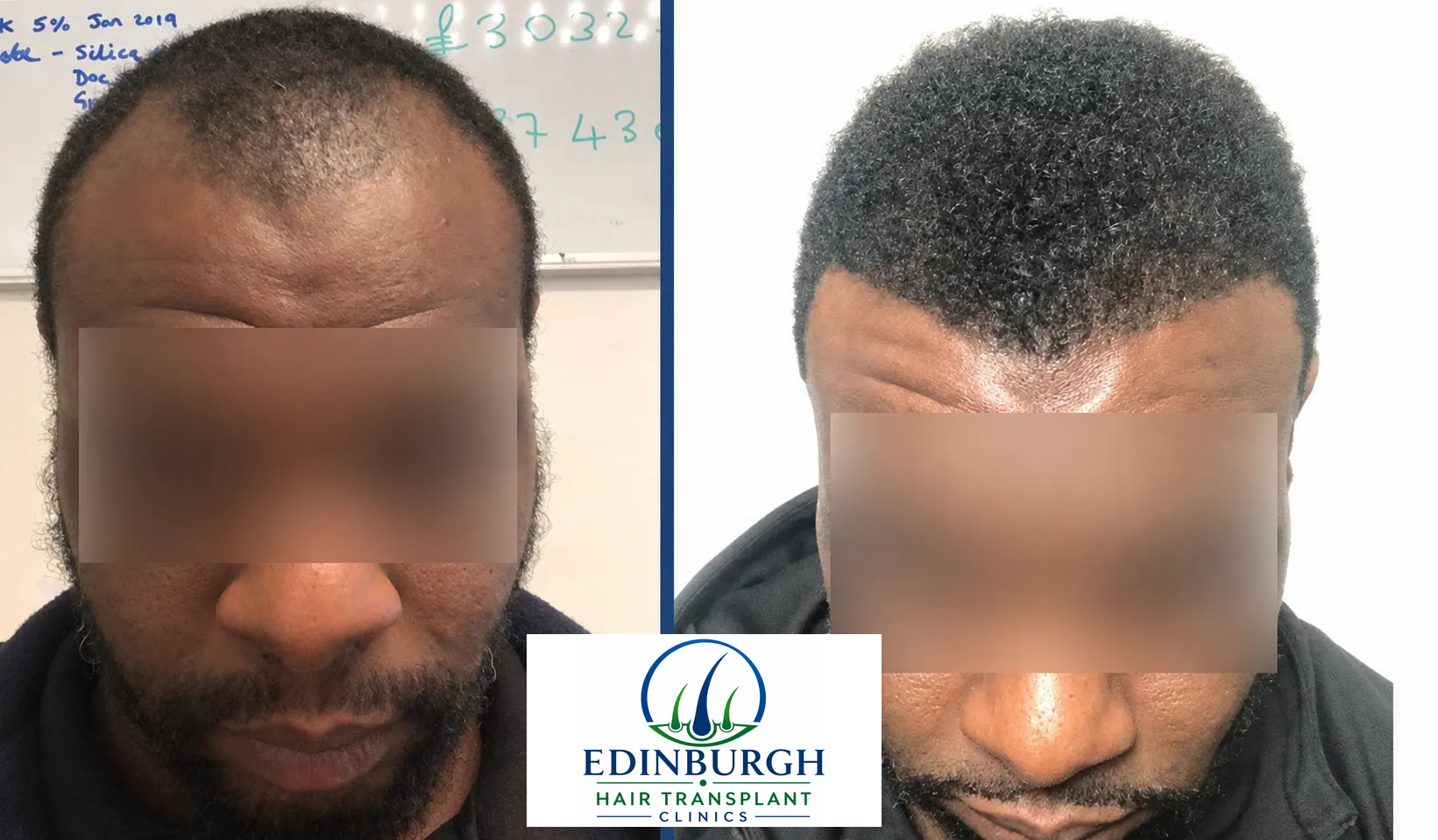
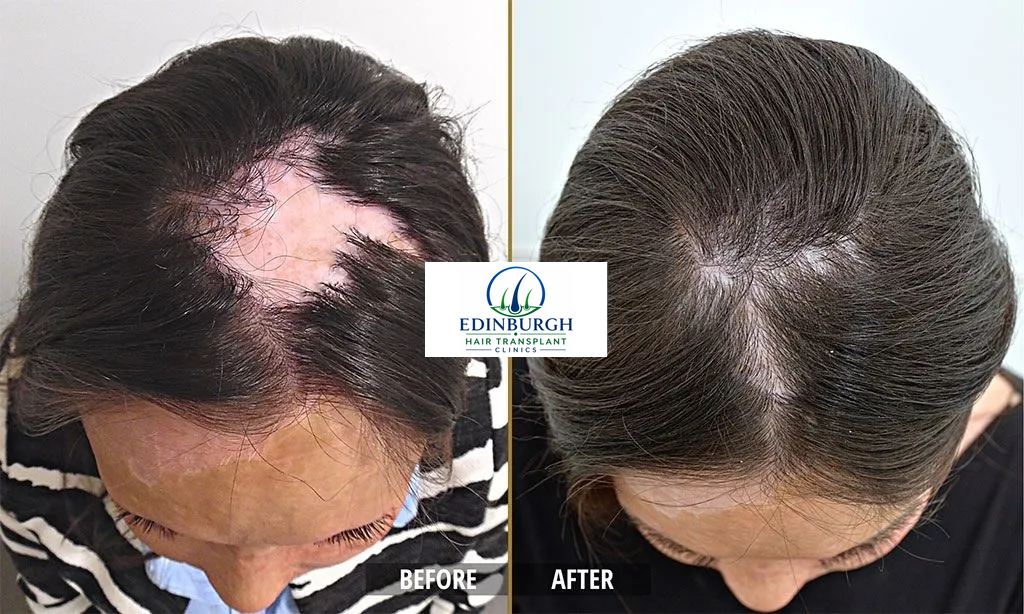
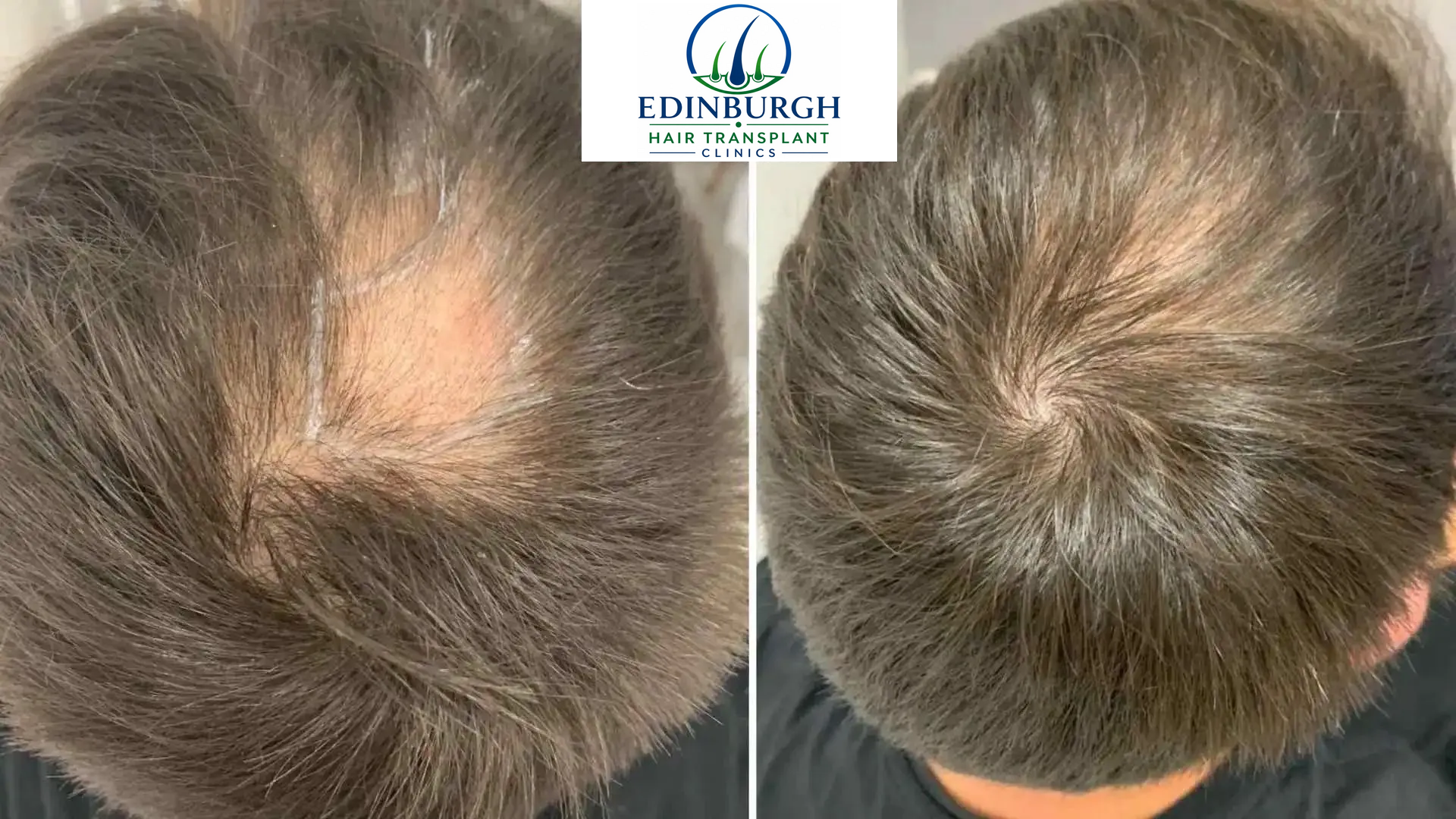
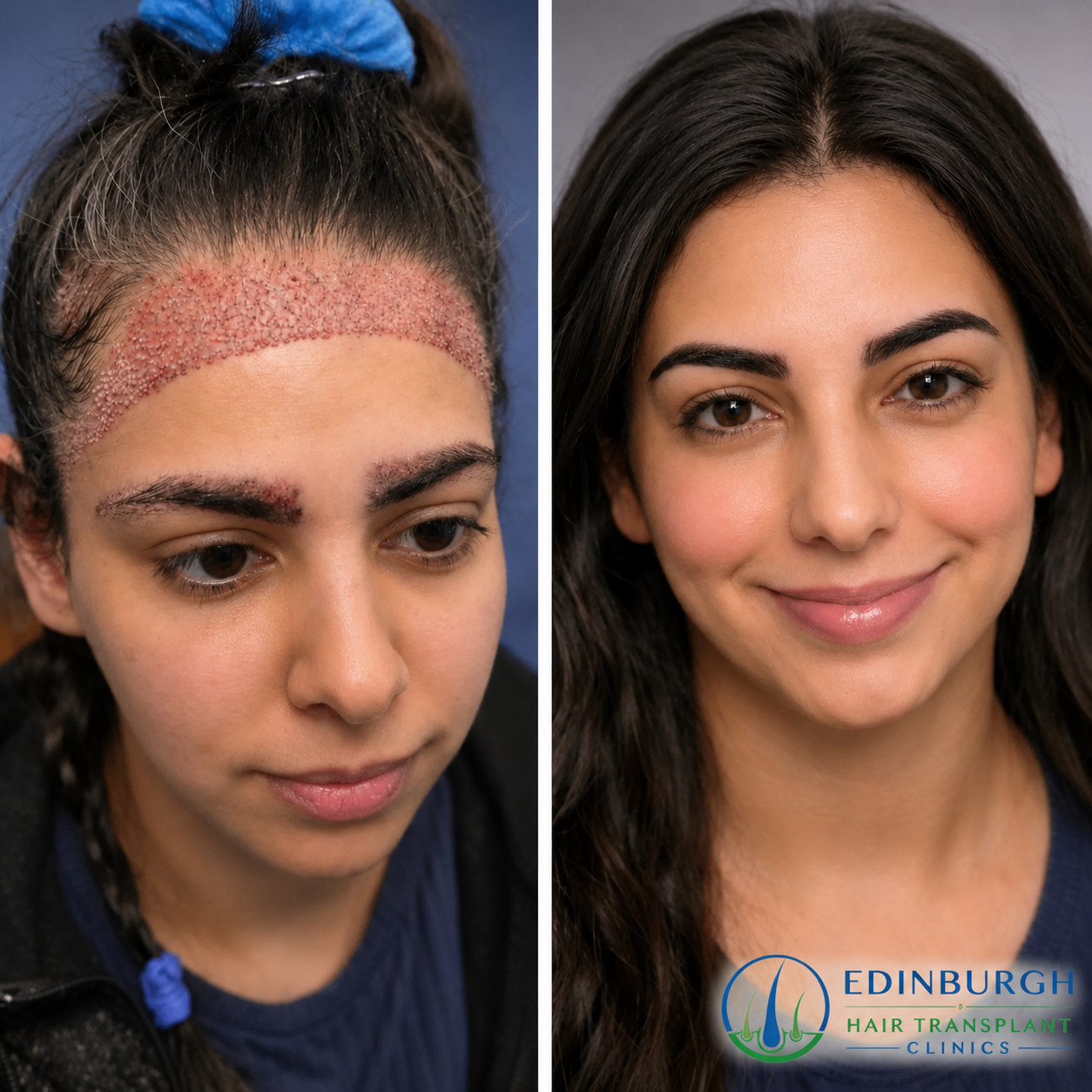
Before and After Women’s Hair Transplants
These Edinburgh treatment images show examples of women’s hairline restoration. Surgery is an option for selected patients; the results shown do not establish whether it would suit your own type of hair loss. Read about female hair transplants for more detail about the procedure.


Common Causes of Female Hair Loss
Female pattern hair loss
Also called androgenetic alopecia, female pattern hair loss involves a gradual reduction in the thickness of individual hairs. The parting may widen and the ponytail may feel thinner. Inherited factors play a role. Tell your doctor about accompanying changes such as irregular periods, acne or increased facial hair, which may warrant further investigation. The British Association of Dermatologists explains female pattern hair loss.
Telogen effluvium
Telogen effluvium causes increased shedding across the scalp, often around three months after a trigger such as childbirth, significant illness, surgery, severe stress or rapid weight loss. Shedding commonly settles within three to six months, although restoring volume takes longer. Ongoing or repeated triggers can prolong it, and it can occur alongside pattern hair loss. Read the British Association of Dermatologists’ telogen effluvium guidance.
Traction alopecia
Repeated pulling from tight braids, extensions, ponytails or buns can damage hair follicles. Loss often appears around areas bearing the most tension. Changing the hairstyle and removing the pull early can allow recovery. Prolonged traction may lead to permanent loss, so seek advice if you notice thinning, breakage or soreness. The traction alopecia patient guide explains how to reduce further damage.
Alopecia areata
Alopecia areata is an autoimmune condition that can produce smooth, round patches of hair loss on the scalp and sometimes affect eyebrows or other body hair. Regrowth is possible, but the course varies and episodes can recur. A GP or dermatologist can assess the patches and discuss appropriate care. The British Association of Dermatologists’ alopecia areata information covers the condition in more detail.
Medical and nutritional factors
Illness, iron deficiency, substantial weight loss and some medicines can contribute to shedding. Thyroid problems may also need to be considered. Your doctor will use your history and examination to decide whether tests are appropriate; not everyone needs the same blood tests. Bring a list of medicines and supplements, and avoid stopping prescribed treatment without medical advice. Our Hair Loss guide provides a broader overview.
Treatment Options for Women
Treatment should follow the diagnosis. Correcting a temporary trigger, managing a scalp condition and treating inherited thinning involve different approaches. You can also choose cosmetic support or decide against treatment. Discuss what matters to you, the likely benefit, ongoing costs and possible side effects before starting.
Topical minoxidil
Minoxidil is applied to the scalp and may slow female pattern hair loss or improve growth. It can take six to twelve months to judge the response, and any benefit generally depends on continued use. Irritation, unwanted facial hair and initial shedding can occur. Ask a doctor or pharmacist about suitability and follow the product leaflet. Avoid it during pregnancy, while planning pregnancy or when breastfeeding. The American Academy of Dermatology’s treatment guide explains these considerations.
Prescription treatment
A dermatologist may consider other medicines for selected women after reviewing the diagnosis and medical history. These can require monitoring and may be unsuitable during pregnancy. Discuss the reasons for a proposed prescription, its risks and follow-up with the prescriber.
Platelet-rich plasma (PRP)
PRP treatment uses a sample of your blood to prepare plasma for scalp injections. Evidence for female pattern hair loss remains limited, and results cannot be guaranteed. Ask how suitability is assessed, how many sessions are proposed and how progress would be reviewed. The British Association of Dermatologists discusses this uncertainty in its female pattern hair loss guidance .
Hair care and cosmetic support
A change of hairstyle, hair fibres, a wig or a hairpiece may help you feel more comfortable while you consider your options. Hair loss can affect confidence, and support is available even if you do not want a medical or surgical treatment. The NHS advice for women coping with hair loss includes practical and emotional support.
When Is a Hair Transplant Suitable?
Some women with permanent hair loss can be considered for a transplant. A surgeon needs to establish the cause and assess whether there is enough healthy donor hair. Diffuse thinning that also affects the donor area may limit suitability. Temporary shedding needs a different approach, and active alopecia areata is usually unsuitable for transplantation.
FUE collects individual follicular units, leaving small round scars. FUT removes a strip of hair-bearing scalp that is divided into grafts, leaving a linear scar. Both transfer your own follicles into the planned recipient area. Discuss the procedure and its risks, including infection, bleeding, scarring and disappointing growth, before deciding.
Your consultation with Dr Harpreet Kalra should cover the diagnosis, donor density, the area you hope to improve and realistic coverage. If your concern is a high or uneven hairline, read about hairline transplantation. Eyebrow restoration needs its own assessment. Bring previous treatment details and photographs showing how your hair has changed.
You can read our women’s hair transplant page , aftercare guide and recovery timeline before your appointment. Our Edinburgh cost information explains pricing; an individual quote depends on the proposed work. Ask what is included and what follow-up will be provided.
Visit Our Edinburgh Clinic
Edinburgh Hair Transplant Clinics is at 83 Princes Street, Edinburgh, EH2 2ER. Use the clinic location on Google Maps to plan your journey.
Call 0131 639 0004 or request a consultation. Tell us about your main concern, any diagnosis you have received and the treatments you have already tried so we can help you prepare for your appointment.
Hair Loss in Women Q&A
Can women have hair transplants?
Yes, selected women may be suitable, depending on the cause of the loss, the available donor hair and the coverage they hope to achieve. Widespread thinning can limit the donor supply. An assessment is needed before a surgeon can recommend a plan. Our female hair transplant page explains the procedure.
Do women have to shave their head for a hair transplant?
Not necessarily. FUE usually involves shaving the donor area, while FUT generally requires trimming only the strip being removed. The amount of shaving depends on the method and treatment plan. Ask the surgeon to explain exactly which areas would need trimming and how this would affect your hairstyle.
How does female pattern hair loss differ from male pattern baldness?
Women commonly develop thinning through the top of the scalp and a wider parting, often with the front hairline preserved. Men more often notice temple recession or crown loss. Patterns can overlap, so the appearance alone cannot confirm the cause. See our male pattern baldness guide for comparison.
How do I know whether my hair loss is permanent?
The cause needs to be established first. A doctor will ask about the timing, symptoms, recent health changes and family history, and examine the scalp. Tests may be appropriate. Some forms of shedding recover, while pattern or scarring loss can persist. A photograph or online diagram cannot settle that distinction.
Can stress cause hair loss in women?
Significant stress can trigger telogen effluvium, with shedding often becoming noticeable a few months later. It may settle after the trigger resolves, but other causes can coexist. Persistent or unexplained shedding deserves an assessment. The common causes section explains this form of hair loss.
How many grafts would I need for a transplant?
There is no single graft count for women. The proposed area, existing density, hair characteristics and available donor supply all affect the plan. A consultation should explain the recommended number and the coverage that may be achievable. You can review our cost information before requesting an individual quote.
Share This
Book a Consultation in Edinburgh
Talk to our Edinburgh team about your hair loss concerns and the questions you would like to discuss at a consultation.
Call 0131 639 0004 or use our consultation form. Please confirm the appointment location with our team before travelling.