

Dr Harpreet Kalra
Hair transplant surgeon at Edinburgh Hair Transplant Clinics



Dr Harpreet Kalra works with patients considering hair restoration at our Edinburgh clinic. His consultations look at the hair loss itself, the available donor hair and the change each patient hopes to make. That assessment forms the basis of the treatment plan.
He is registered with the General Medical Council under the full name Harpreet Singh Kalra, reference 7126076. His GMC record confirms that he holds a licence to practise, is on the GP Register and is an approved GP trainer.
Professional background
Dr Kalra’s registered medical qualification is an MD from Lugansk Medical University, awarded in 2007. He gained full GMC registration in September 2011 and joined the GP Register in August 2017.
His background in general practice is relevant to the conversations patients have before elective treatment. Medical history, regular medicines, scalp symptoms and previous surgery all need to be considered alongside the appearance of the hair.
You can use the GMC register to check his qualification and current registration directly. At your consultation, there is also time to ask about his experience with the particular area you want treated and how the procedure would be planned.
Your consultation with Dr Kalra
The starting point is what has changed: where the hair is thinning, how quickly that has happened and whether you have tried any treatment. Photographs from earlier years can be helpful, particularly when you are unsure how far the hairline has moved.
Dr Kalra examines the area you want to restore and the donor hair at the back and sides of the scalp. Density, hair calibre, previous extraction and the coverage needed all affect the graft estimate. A larger graft number is only useful when the donor area can support it and the distribution suits the treatment area.
Planning the hairline and the years ahead
A hairline transplant needs to sit naturally with the face and existing hair. The shape, direction and placement of grafts matter, as does the possibility of further thinning around the transplanted area. For the crown , the natural whorl and the area of thinning require a different pattern of placement.
Before booking surgery, you should understand the proposed design, graft estimate, who will carry out each stage, the price and the follow-up arrangements. Ask about alternatives as well as surgery, including whether it would be better to monitor or treat the hair loss before considering a transplant.
Hair restoration treatments
The method follows the assessment. These pages explain the treatment options available at Edinburgh Hair Transplant Clinics and the areas that can be considered:
- FUE hair transplant — individual follicular units are taken from the donor area.
- FUT hair transplant — grafts are obtained from a strip of donor scalp.
- DHI method — an implanter is used for graft placement.
- Hairline restoration for frontal recession and changes to hairline shape.
- Crown restoration for suitable areas of thinning at the back of the scalp.
- Beard transplantation for areas of sparse facial hair.
- Eyebrow transplantation for restoration of brow shape and coverage.
- Women’s hair transplantation for suitable cases of hairline or scalp hair loss.
Previous surgery, scarring and the type of hair being treated can change the approach. If you are considering scar restoration or have already had a transplant, include that information when arranging your appointment.
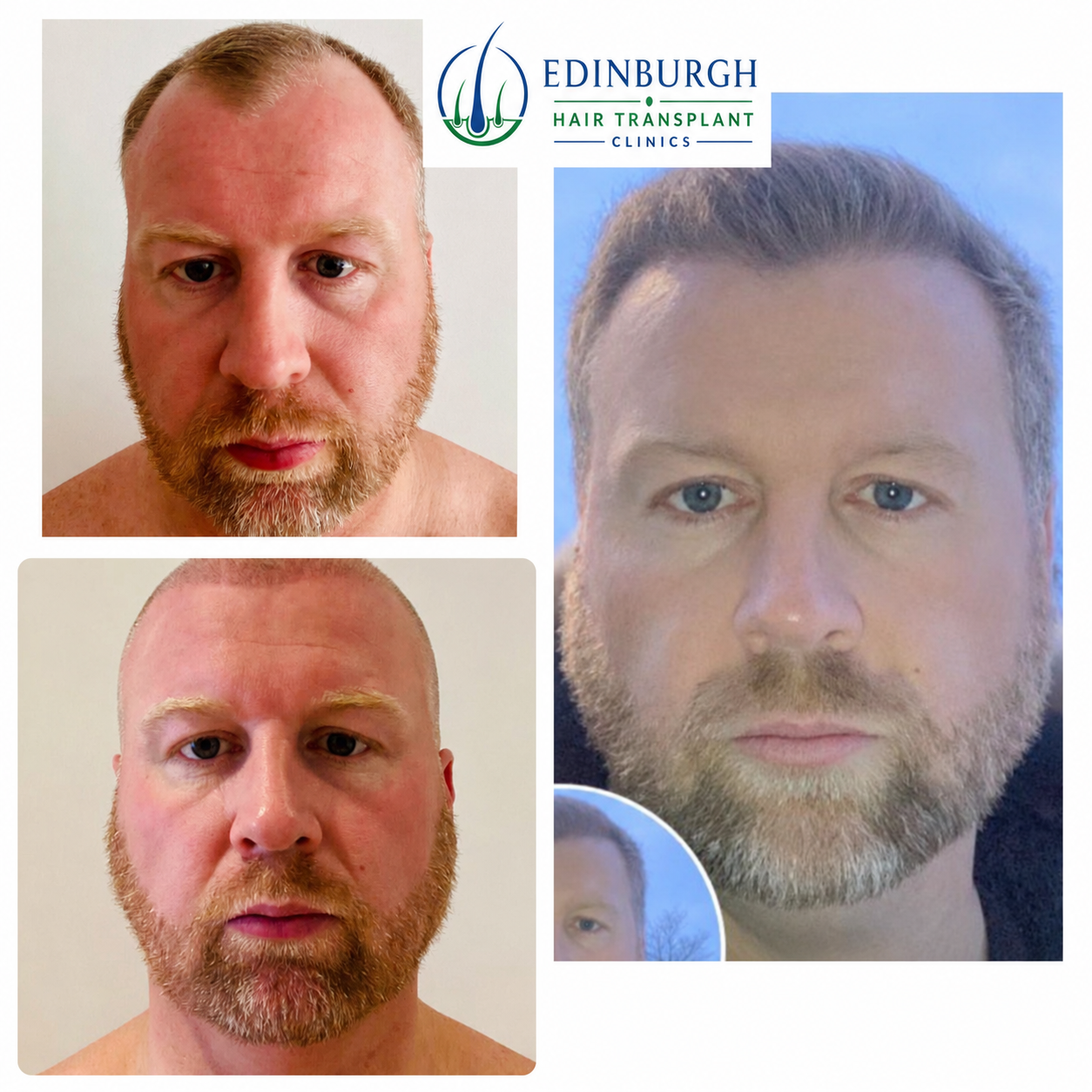
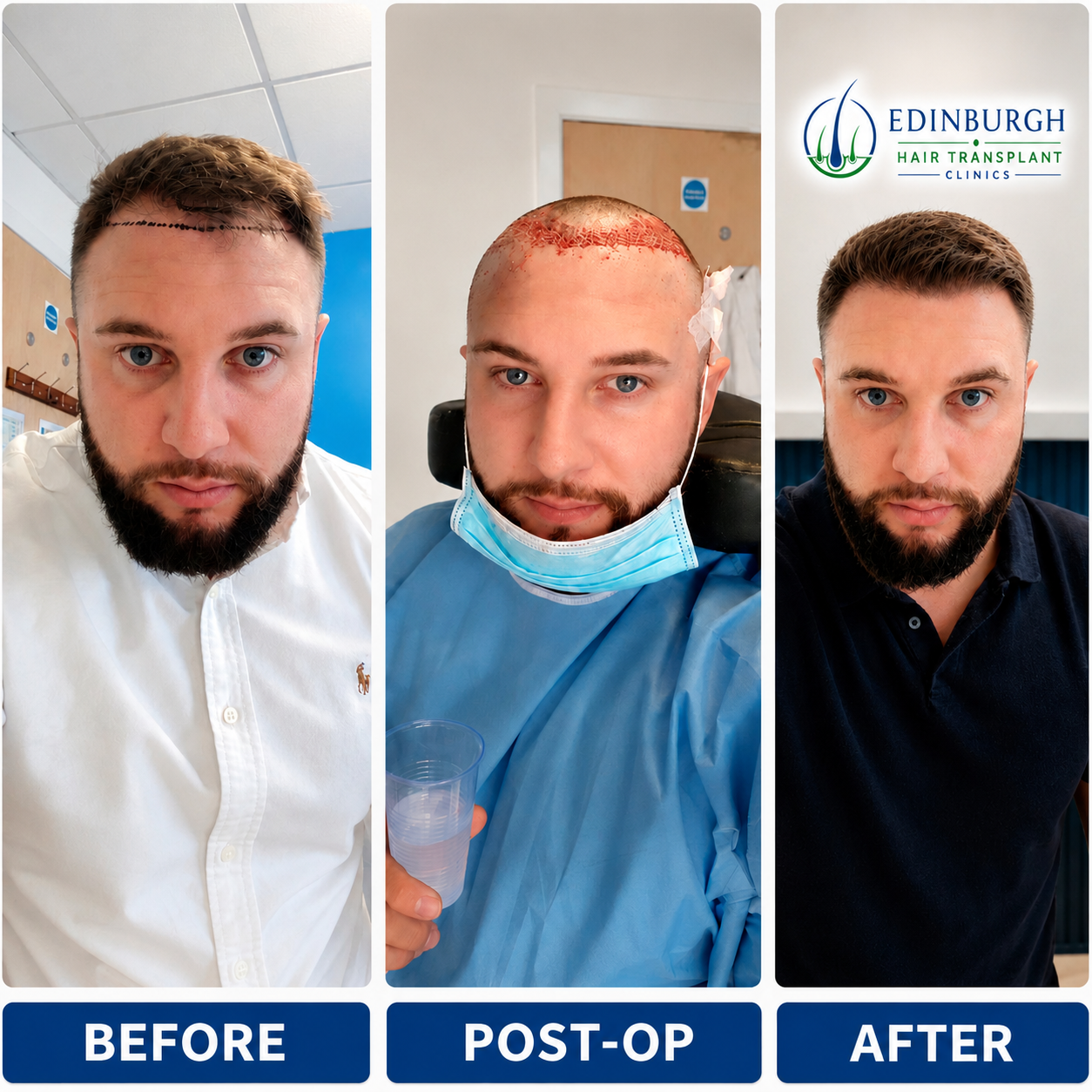
Edinburgh patient case studies


Recovery and aftercare
Planning continues beyond the day of surgery. Before treatment, make sure you know how to wash the scalp, protect the grafts, manage time away from work and get in touch if you are worried about healing.
Our aftercare guide explains the practical questions to cover, while the hair transplant timeline describes the stages between early healing and later growth. Your own instructions should reflect the procedure you have had and any relevant medical needs.
If you are travelling to Edinburgh, discuss your return journey and follow-up arrangements in advance. Our location guides provide information for patients coming from other parts of Scotland.
Your questions answered
How can I check Dr Kalra’s registration?
His GMC reference is 7126076. The official register lists him as Harpreet Singh Kalra and shows his qualification, licence and registration details.
Will I receive a graft estimate at the consultation?
The estimate is based on the area to be treated and the donor hair available. Dr Kalra can explain how the proposed number relates to the design, coverage and condition of the donor area.
Which parts of the procedure will the doctor carry out?
Ask for the responsibilities of the doctor and supporting team to be explained before you book. This should cover the treatment design, local anaesthetic, extraction, recipient-site creation, graft placement and aftercare, so you know who is responsible at each stage.
Can I see examples of previous treatment?
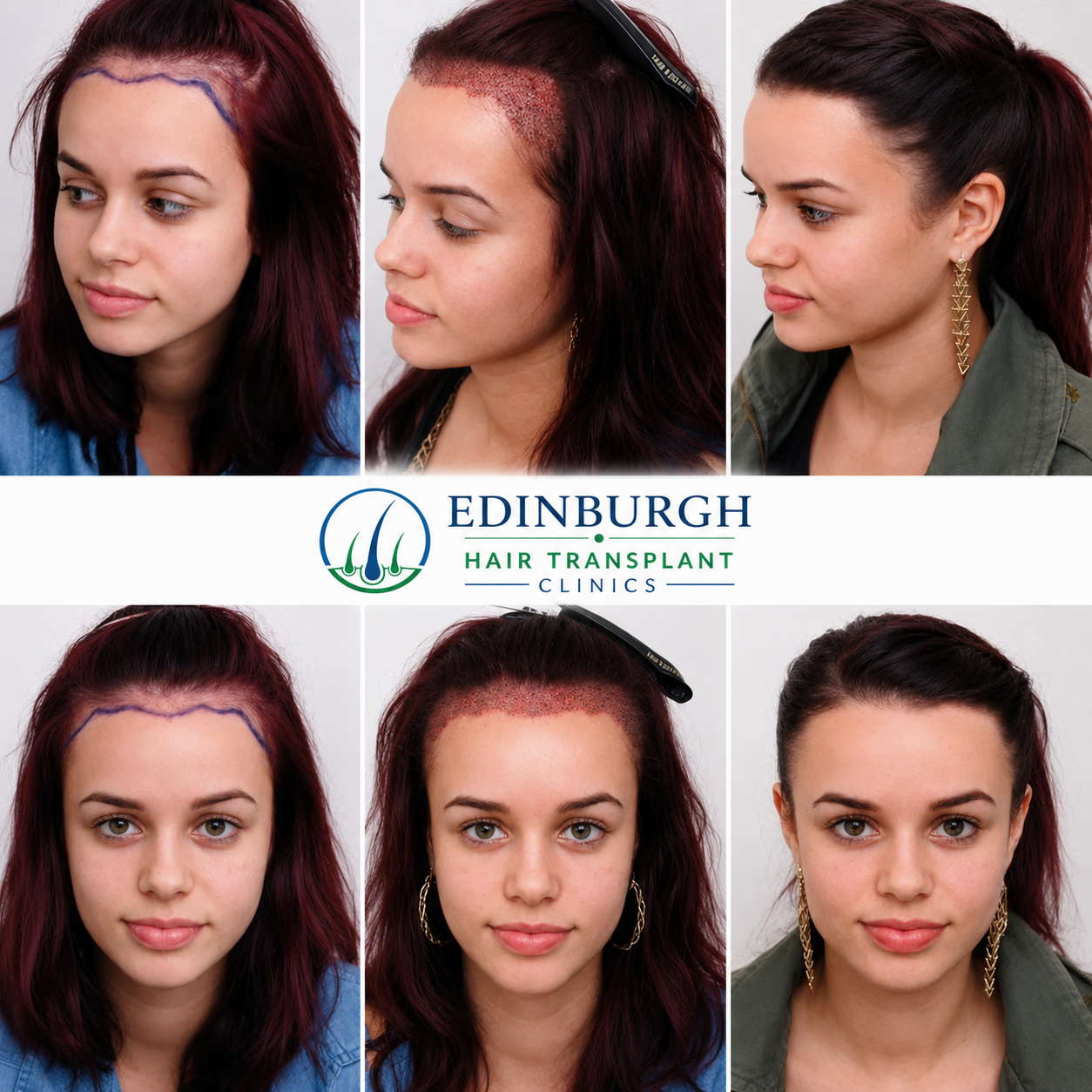
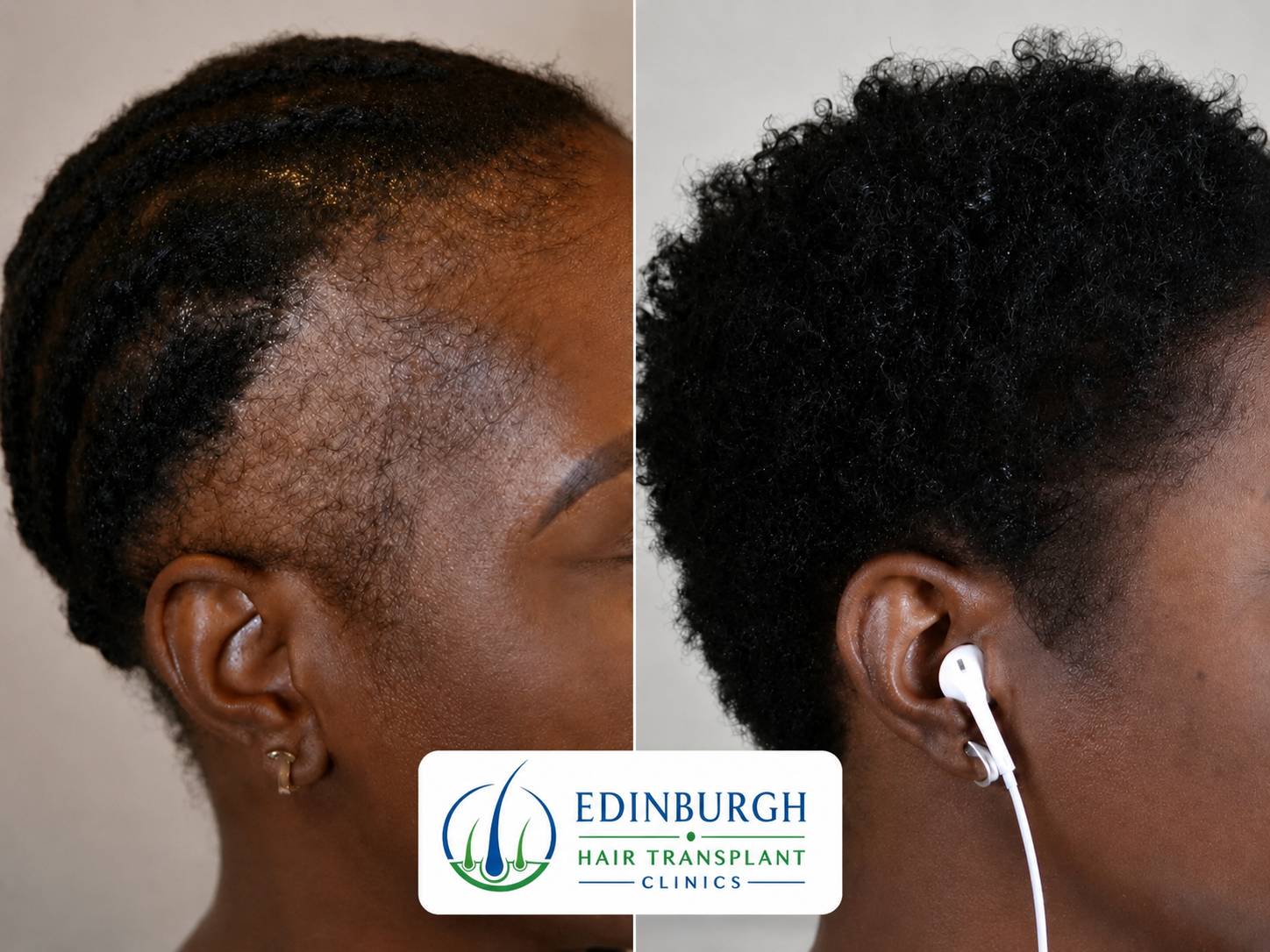
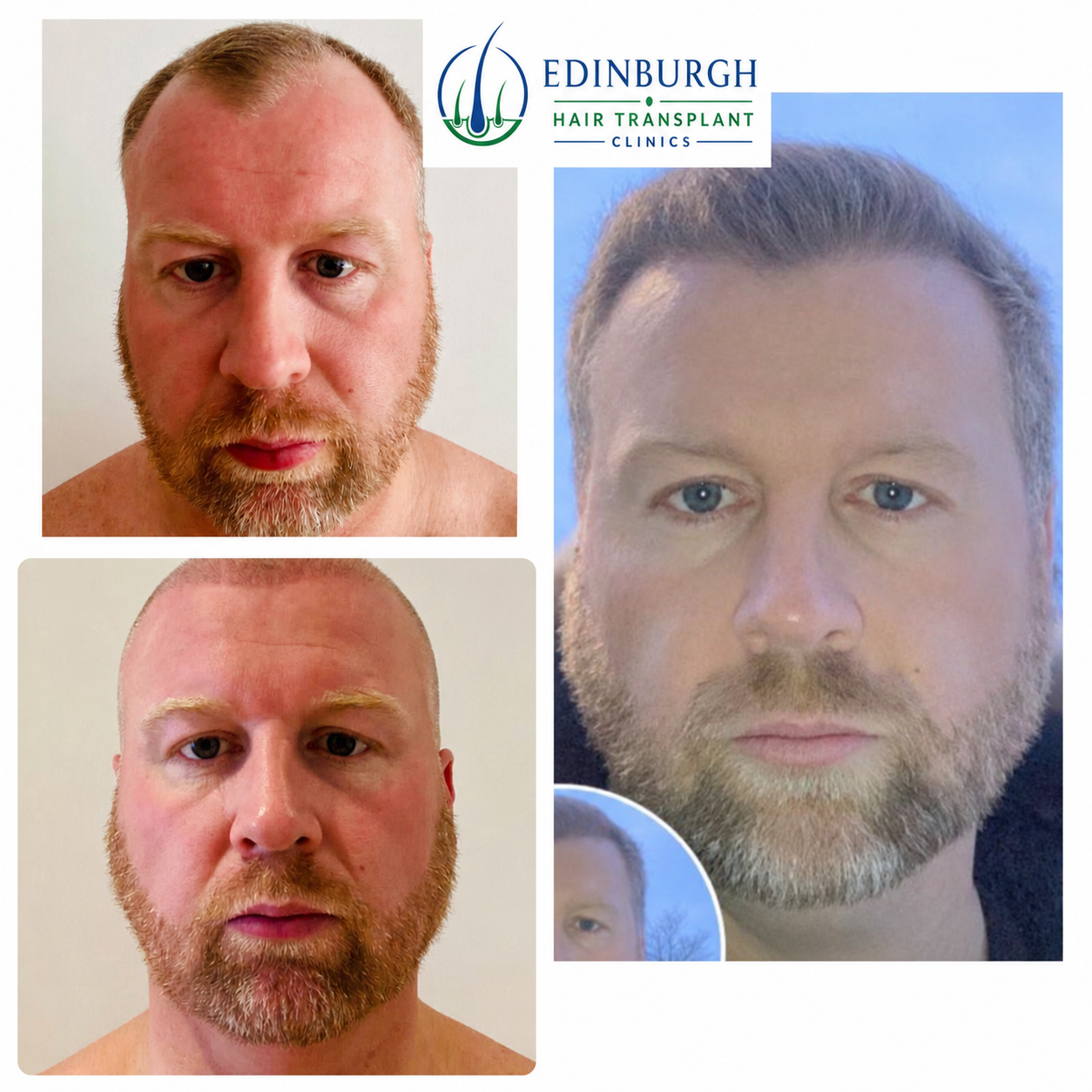
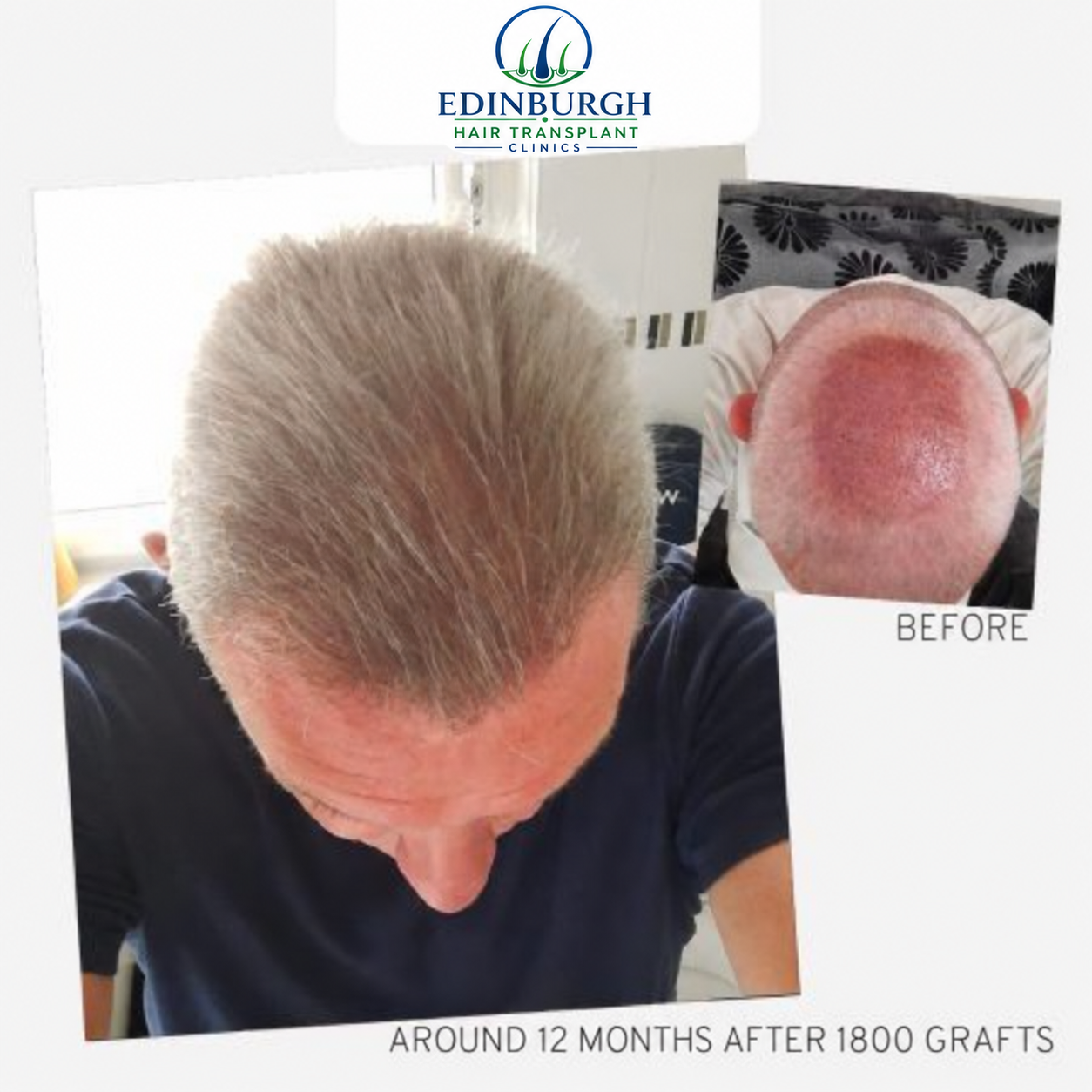
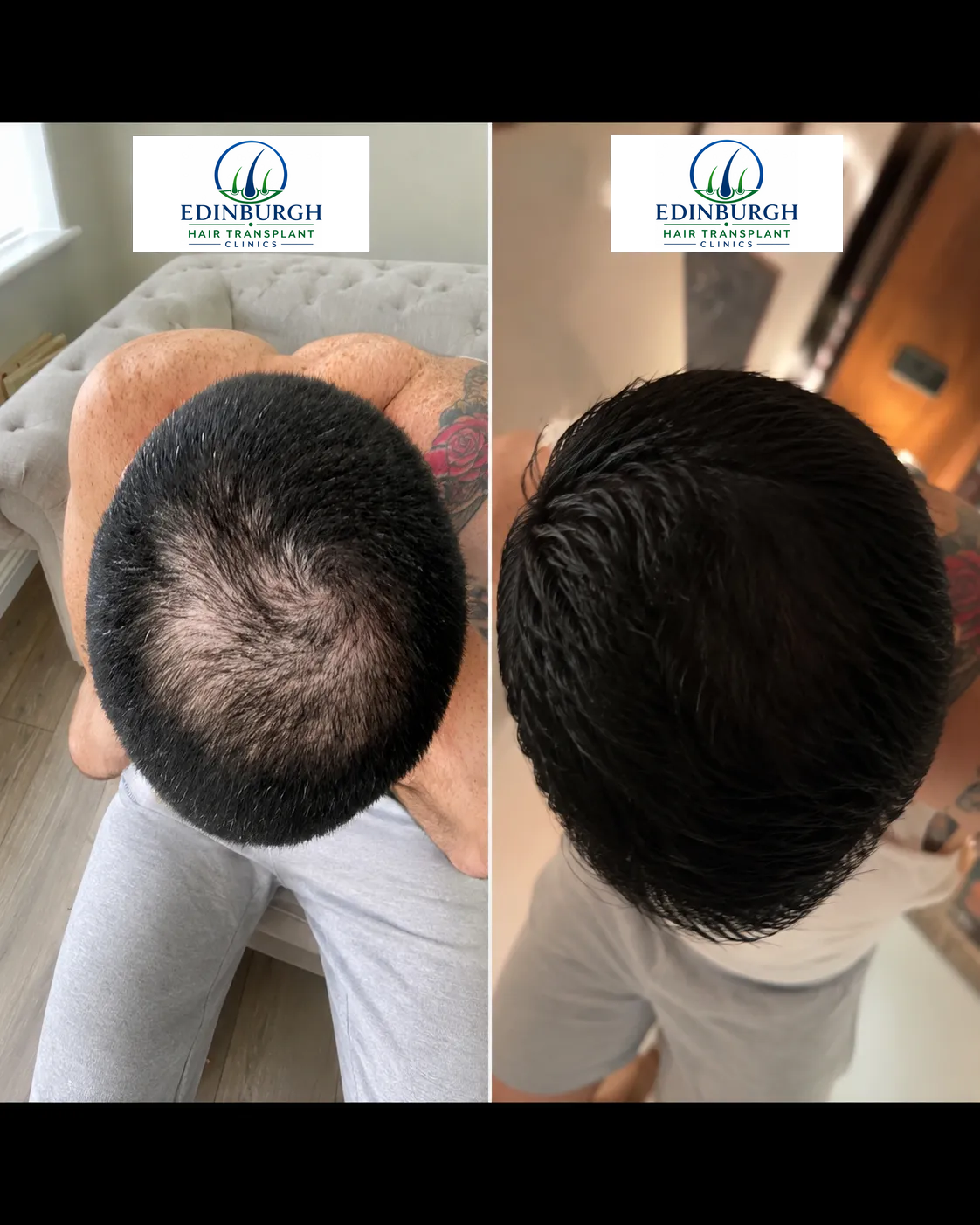
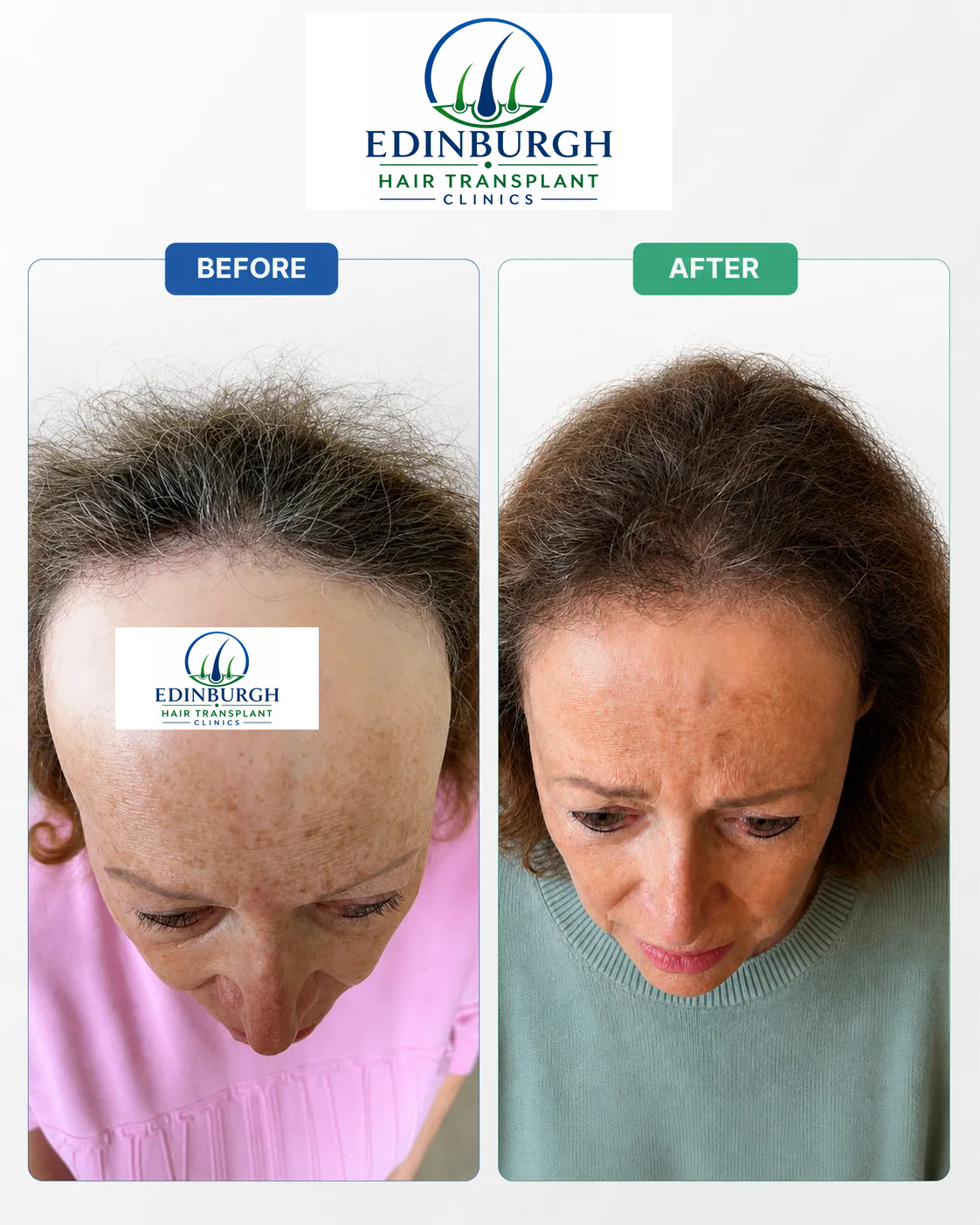
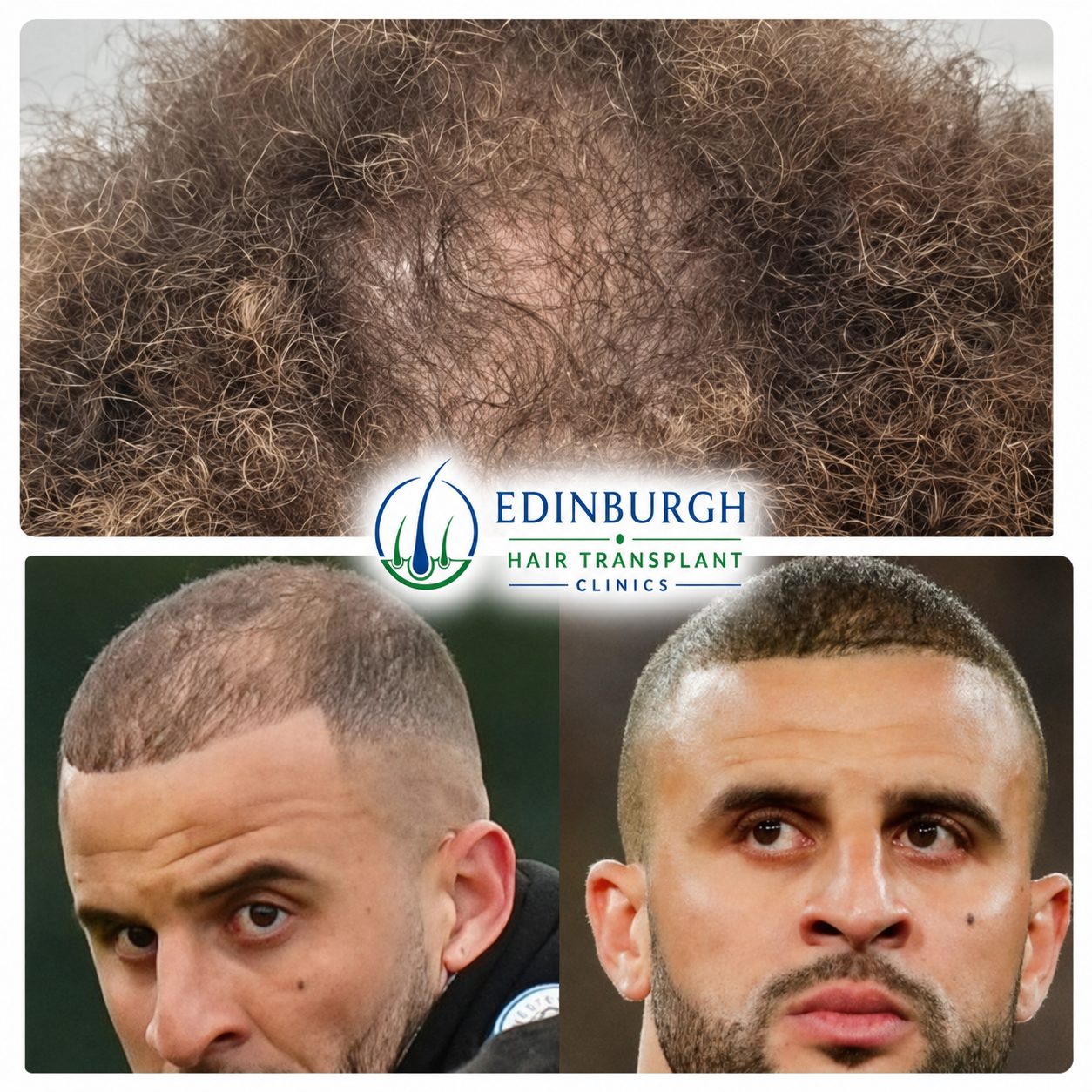
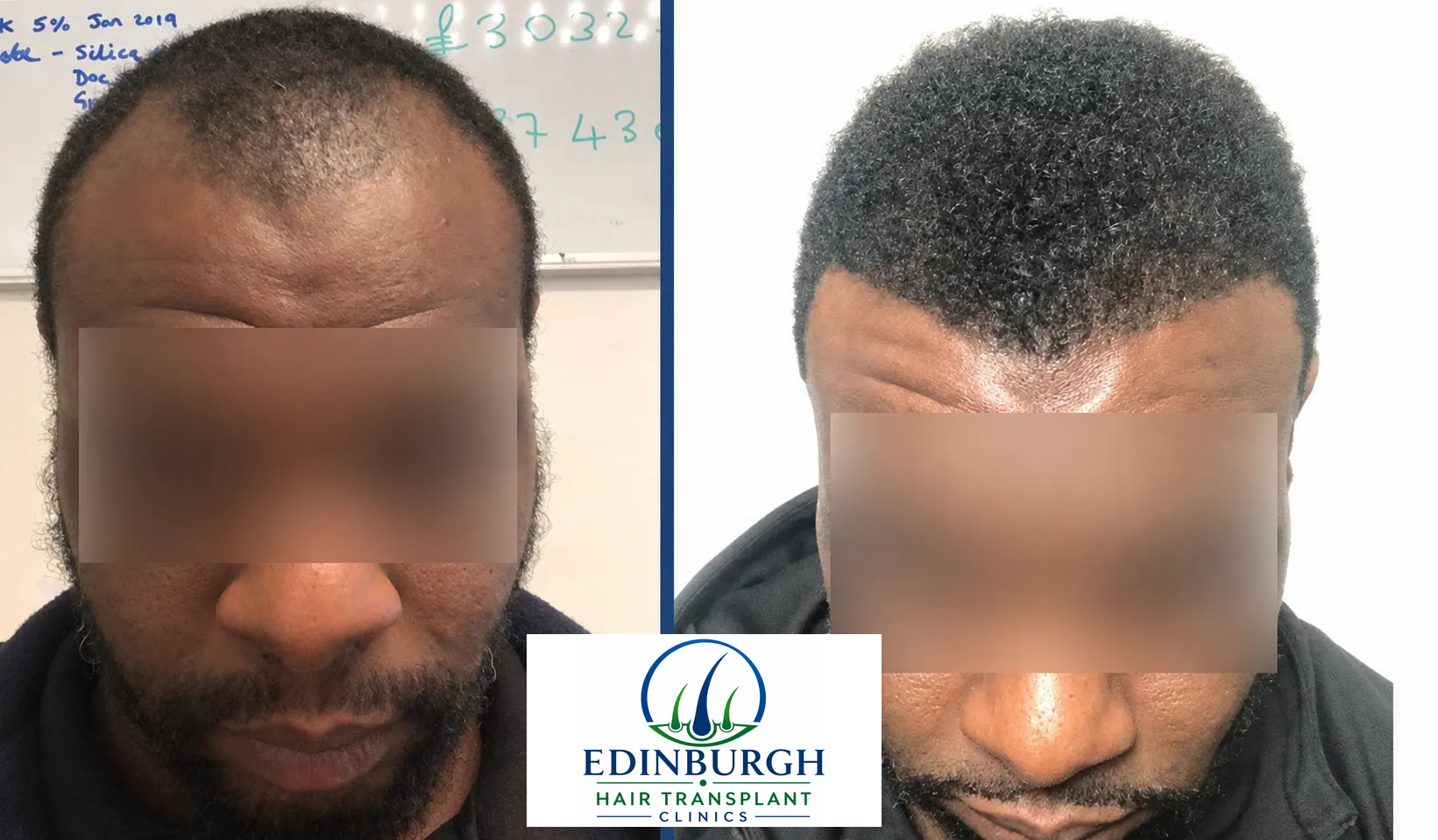
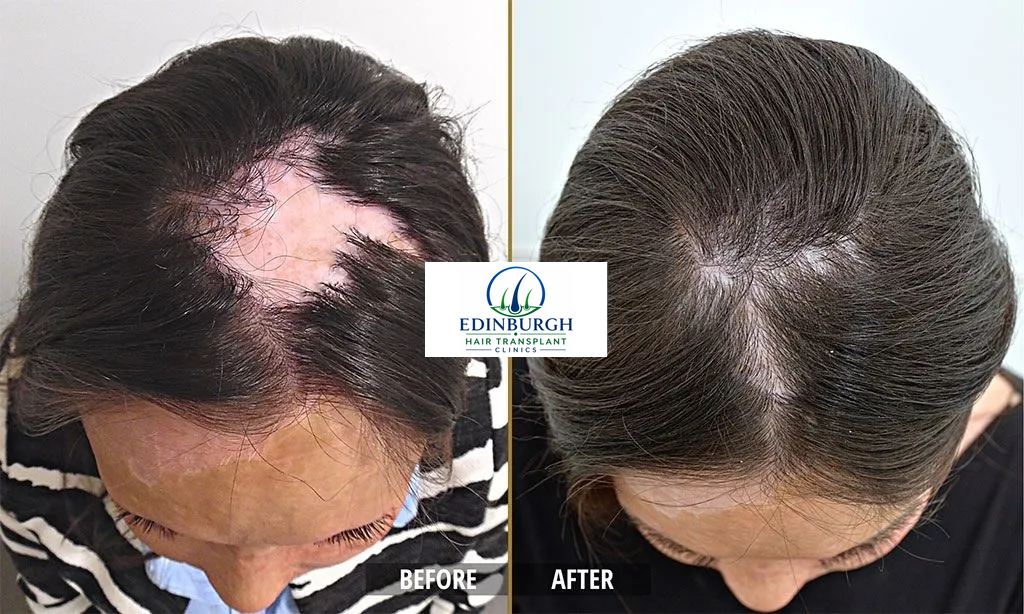
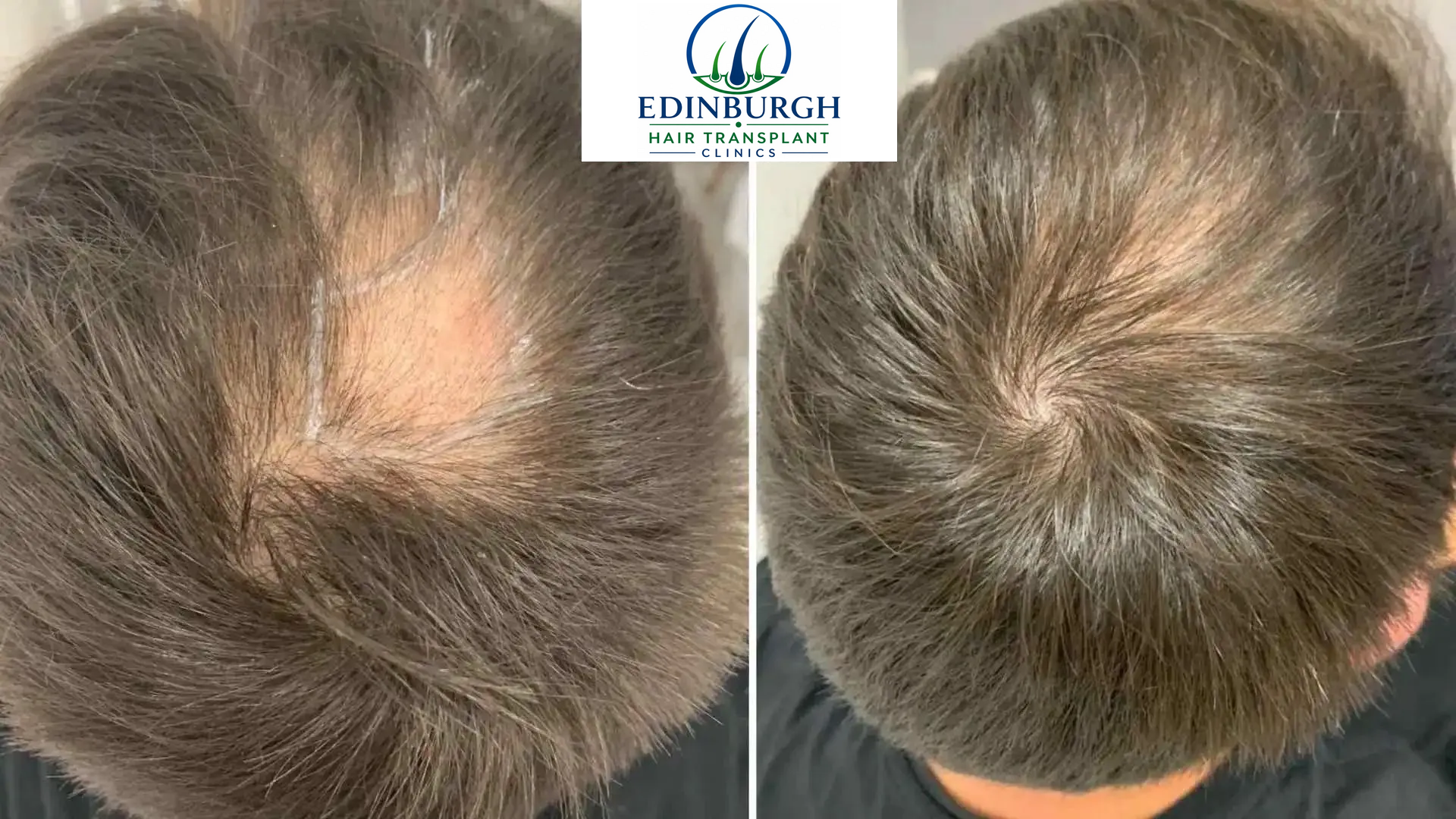
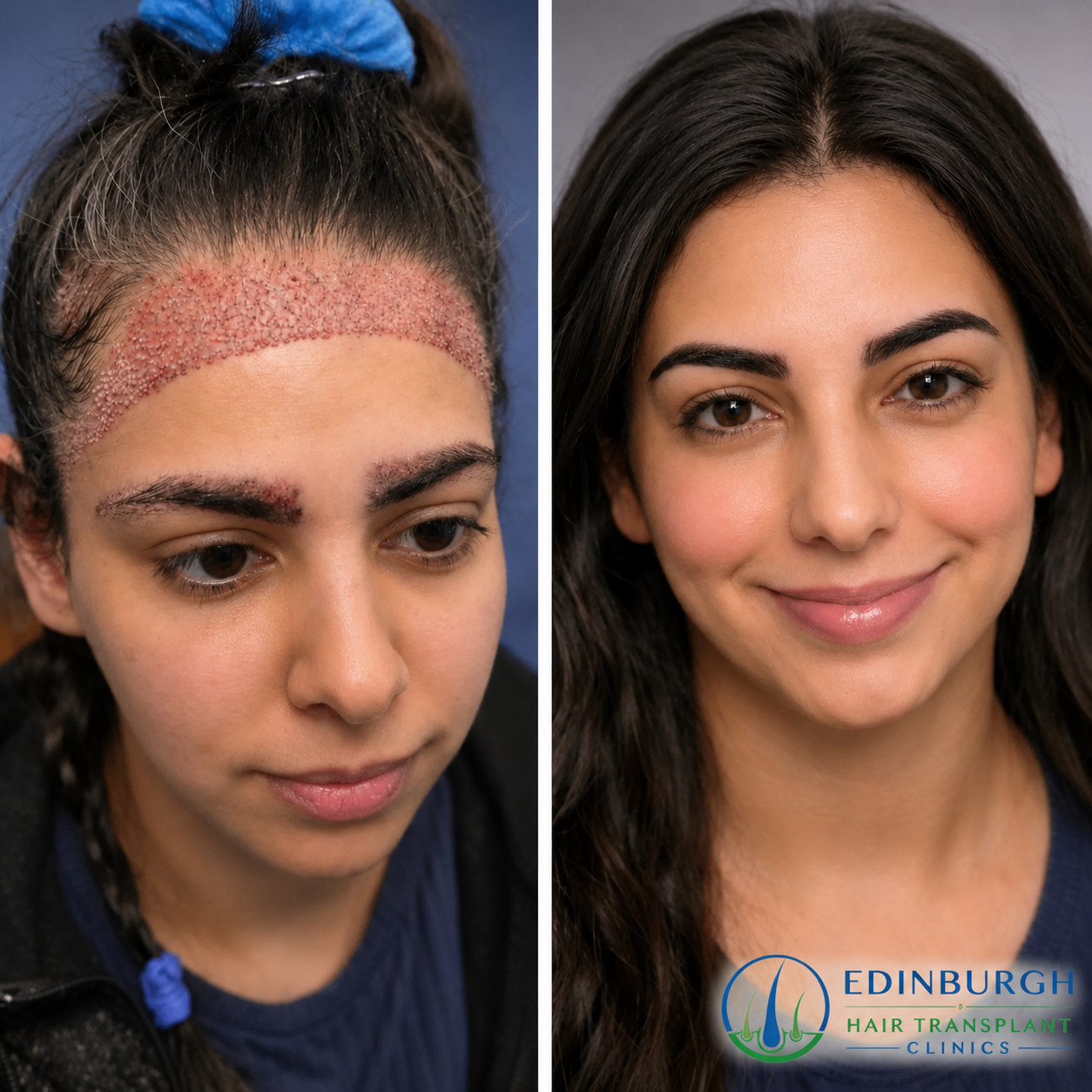
The case studies above show Edinburgh-branded patient photographs and the graft numbers for those cases. You can see more in our before-and-after gallery and ask about cases relevant to the area you want treated.
How much does a consultation and treatment cost?
You can arrange a free consultation with the Edinburgh team. Treatment is quoted following assessment. Read the cost page for an overview and confirm what is included in your own quote.
Arrange your Edinburgh consultation
Tell us what you would like to change and whether you have had treatment before. Our team can arrange an appointment at 83 Princes Street, Edinburgh, EH2 2ER, and explain what to bring with you.