Surgeon-performed hair restoration in Edinburgh
Hair Transplant for Women in Edinburgh
Women experience hair loss in different ways. It may appear as a widening parting, thinning through the top of the scalp, recession at the temples or a naturally high hairline that has always been difficult to style.
A hair transplant moves healthy follicles from the back or sides of the scalp into an area where growth has been permanently lost. The treatment can restore a hairline, add coverage through a thinning area or rebuild eyebrow growth.
Dr Harpreet Kalra examines the pattern of loss, existing hair and donor supply before deciding whether surgery is suitable and how many grafts can be used safely.
Request a Consultation



Hair Transplant Before & After Results
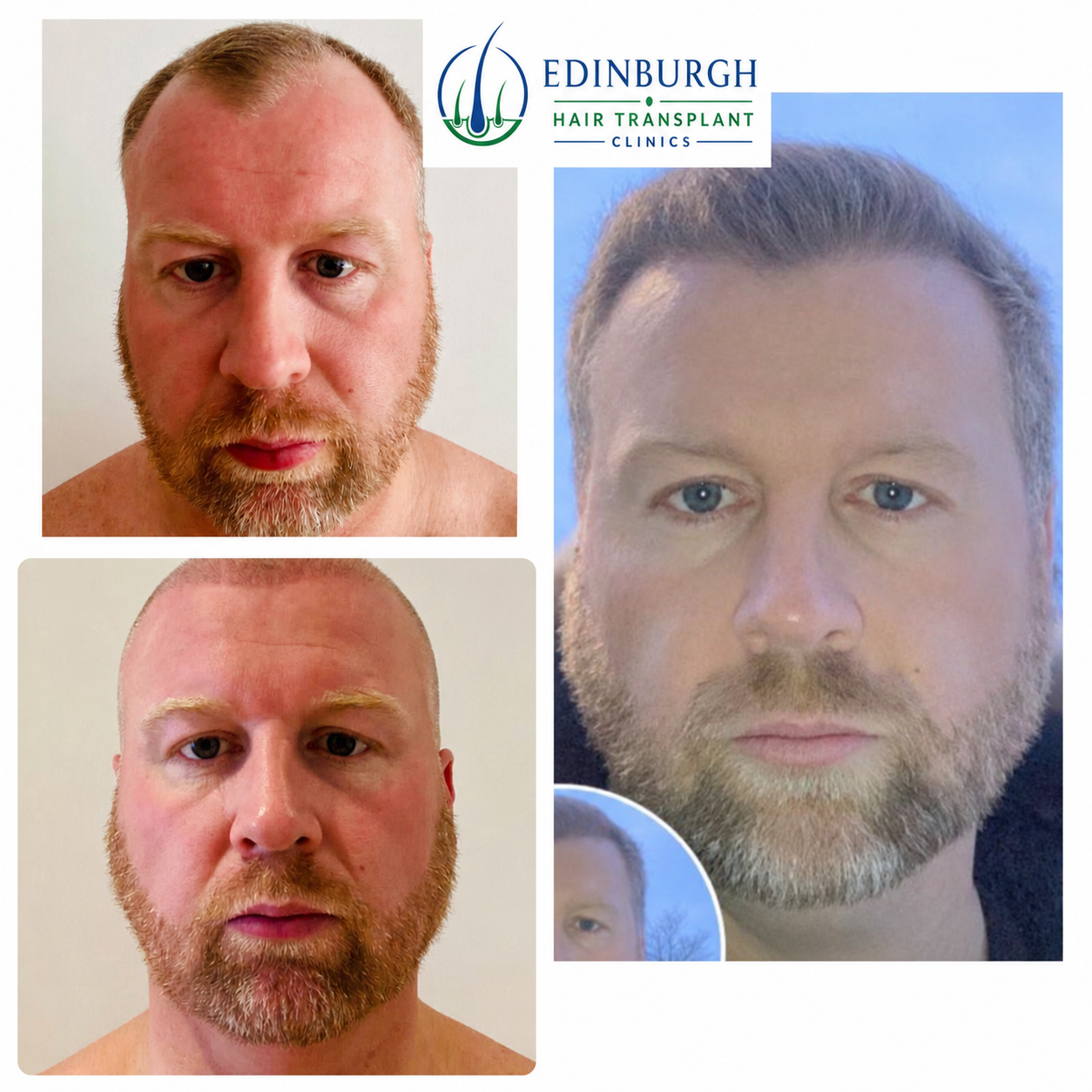
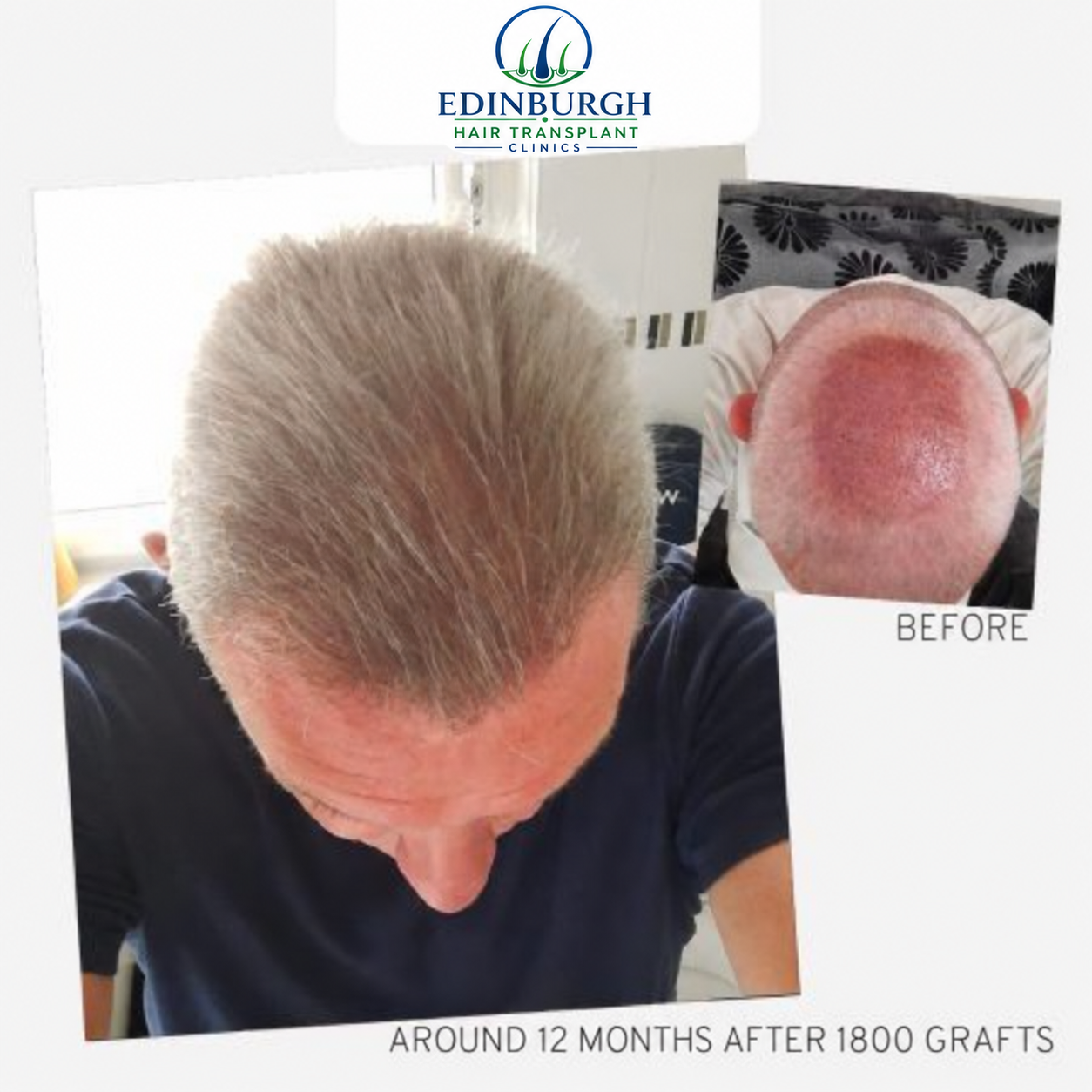
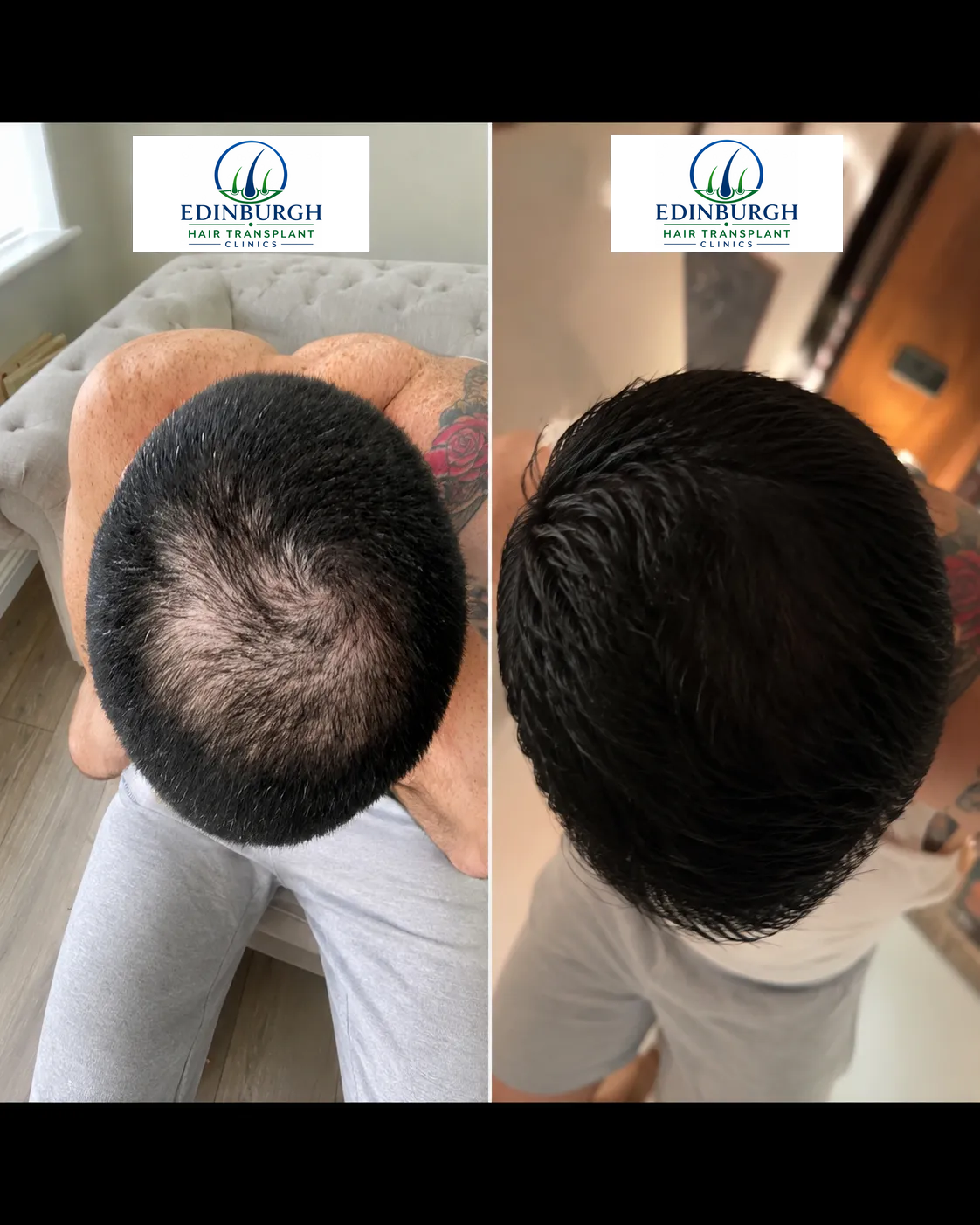
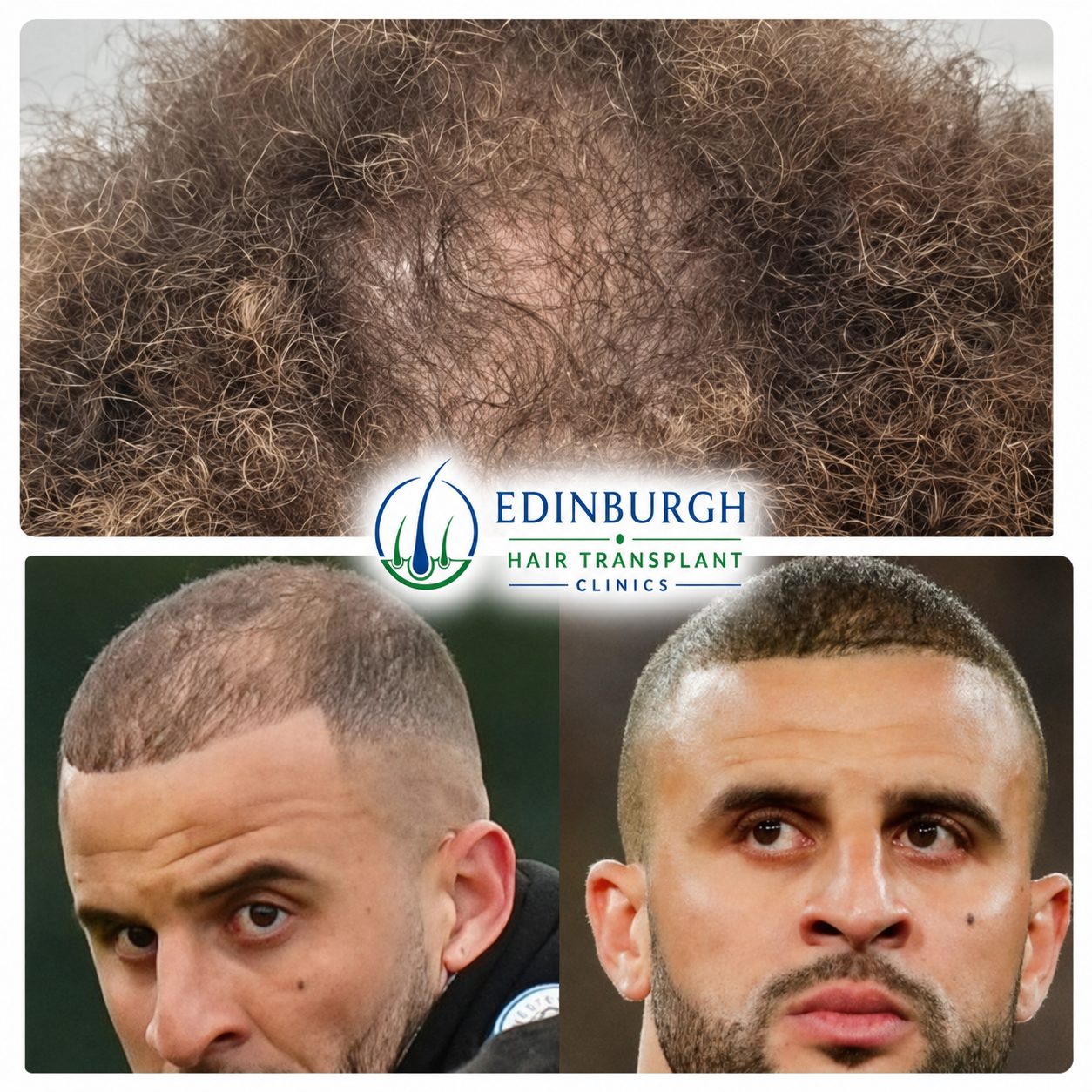
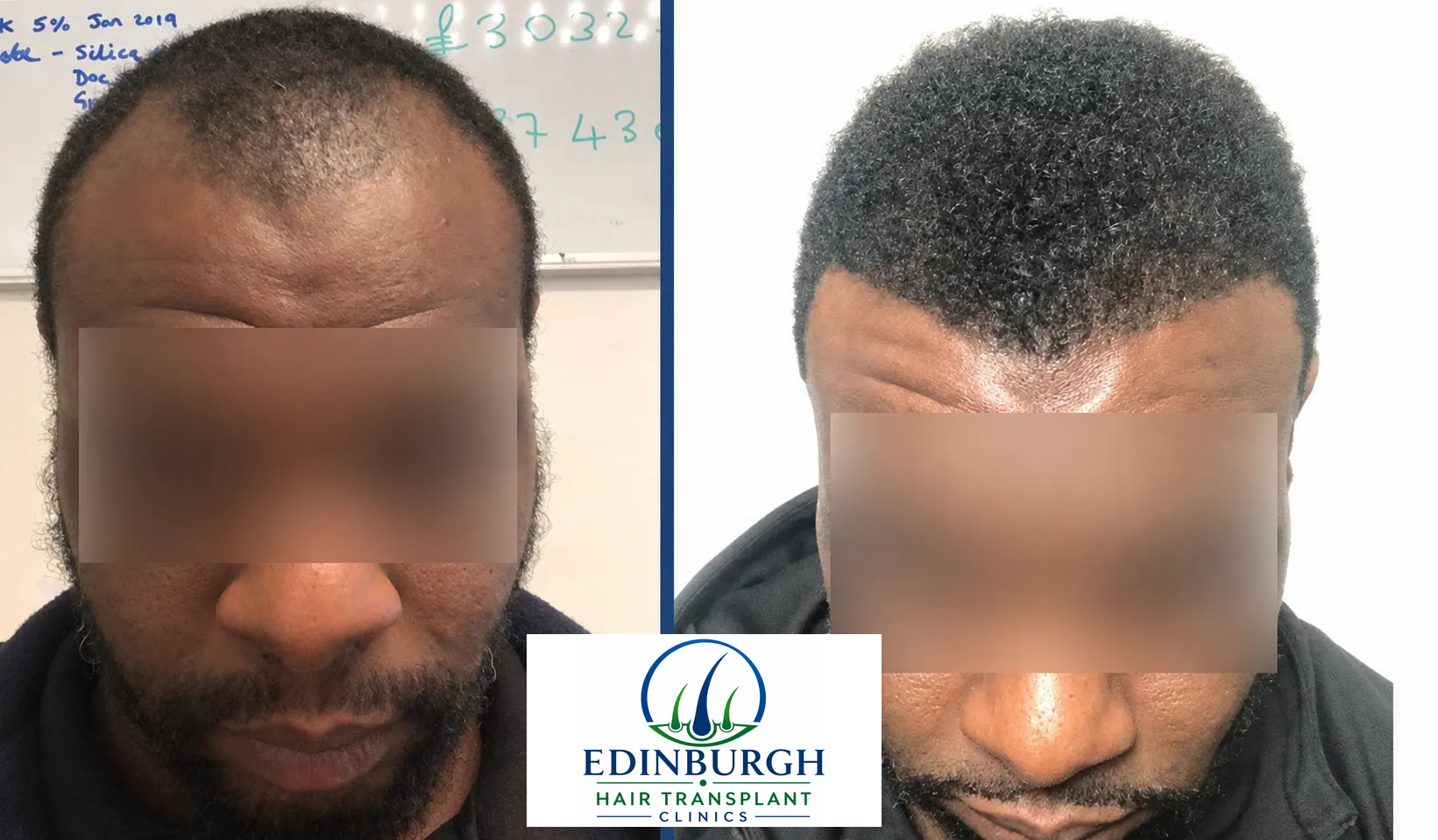
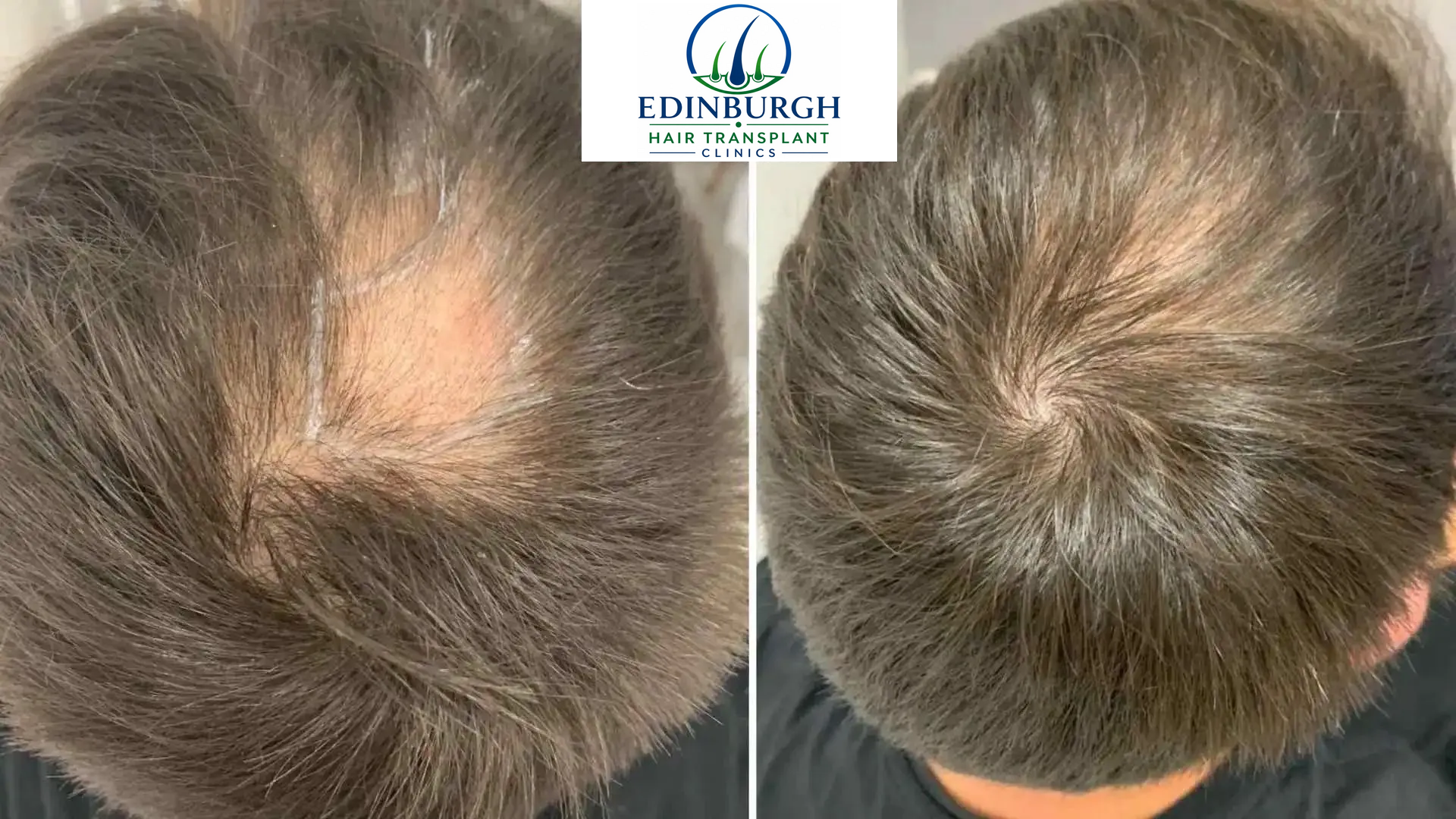
View a selection of patient results from different hair-restoration treatments.
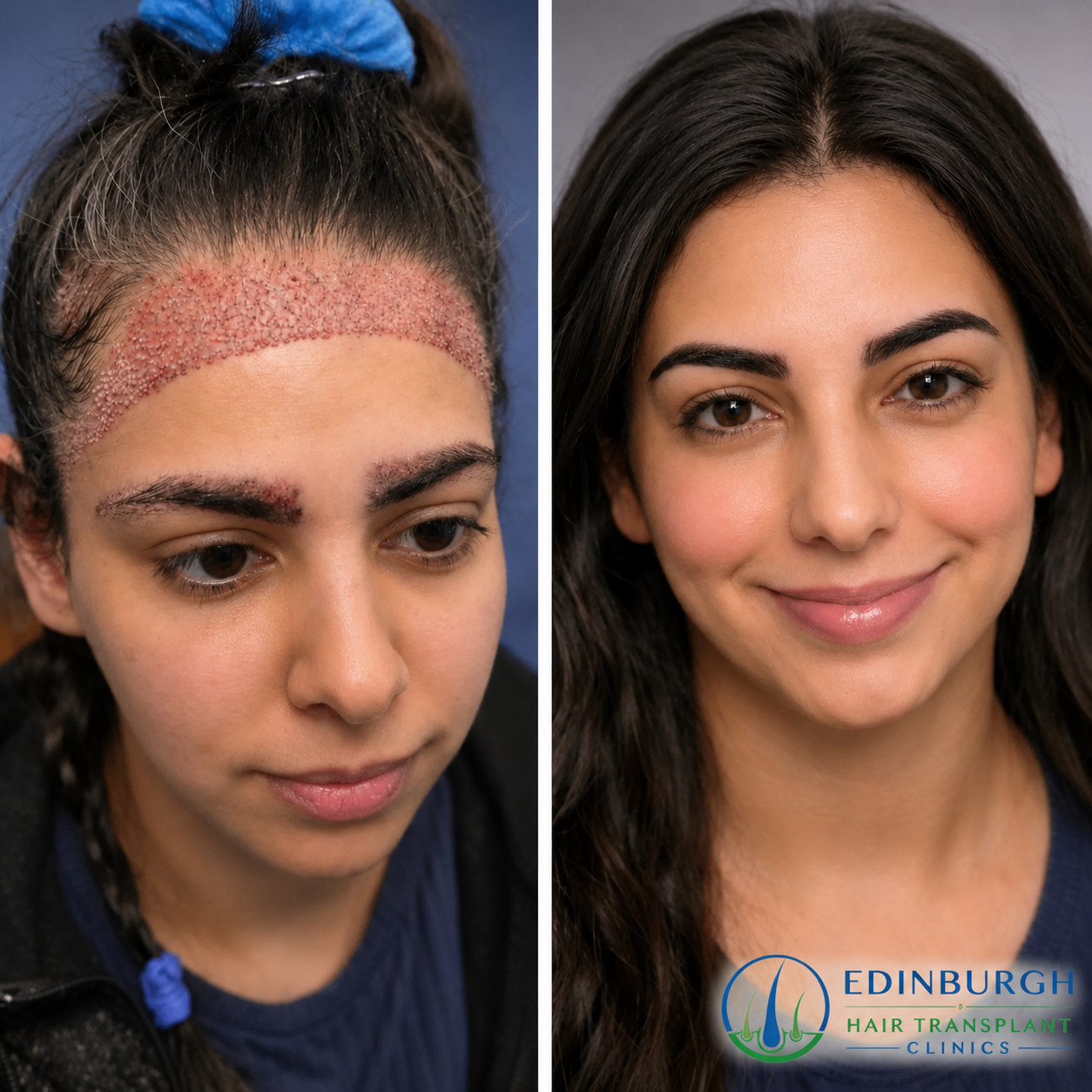
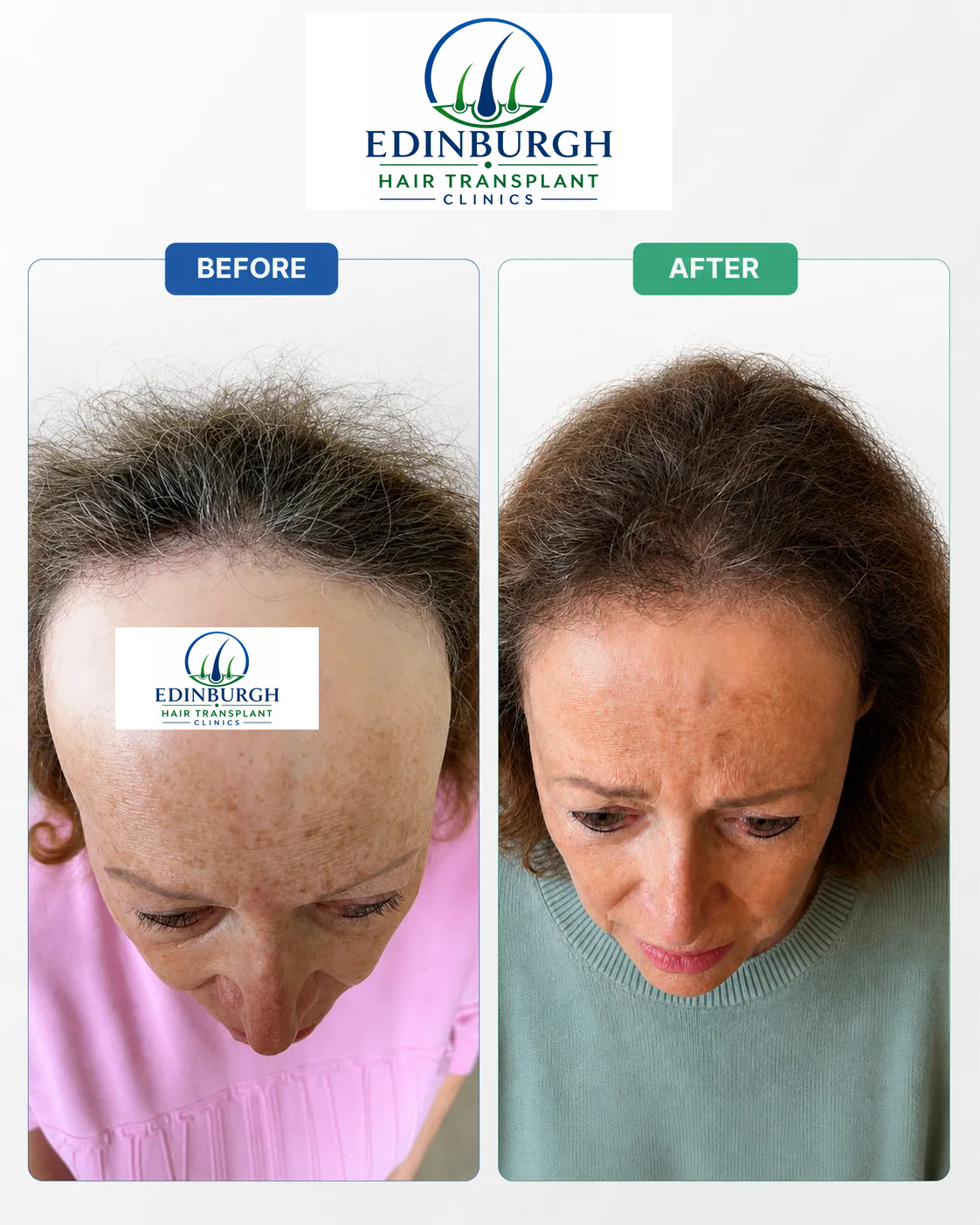
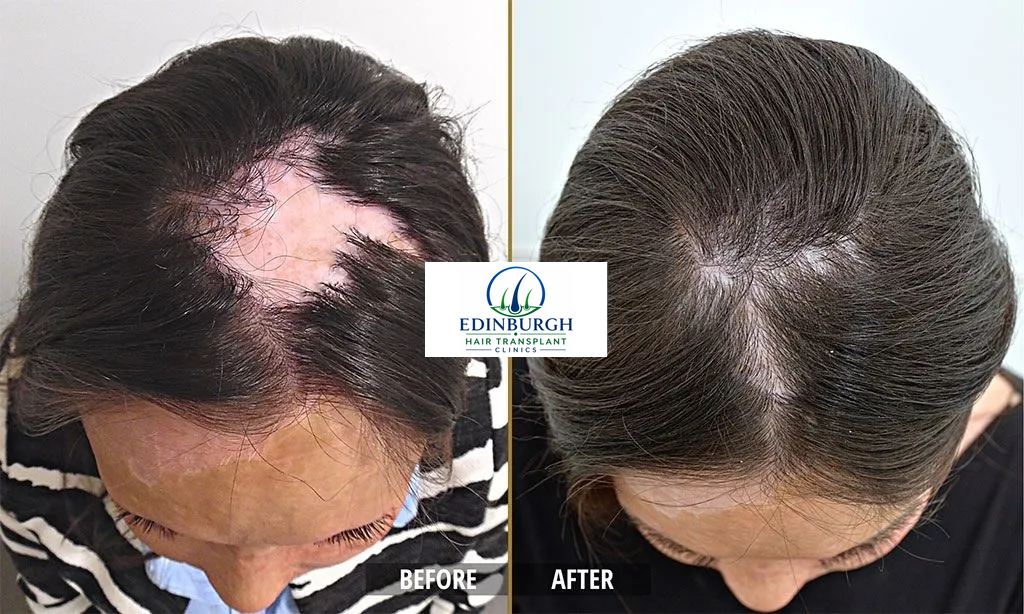
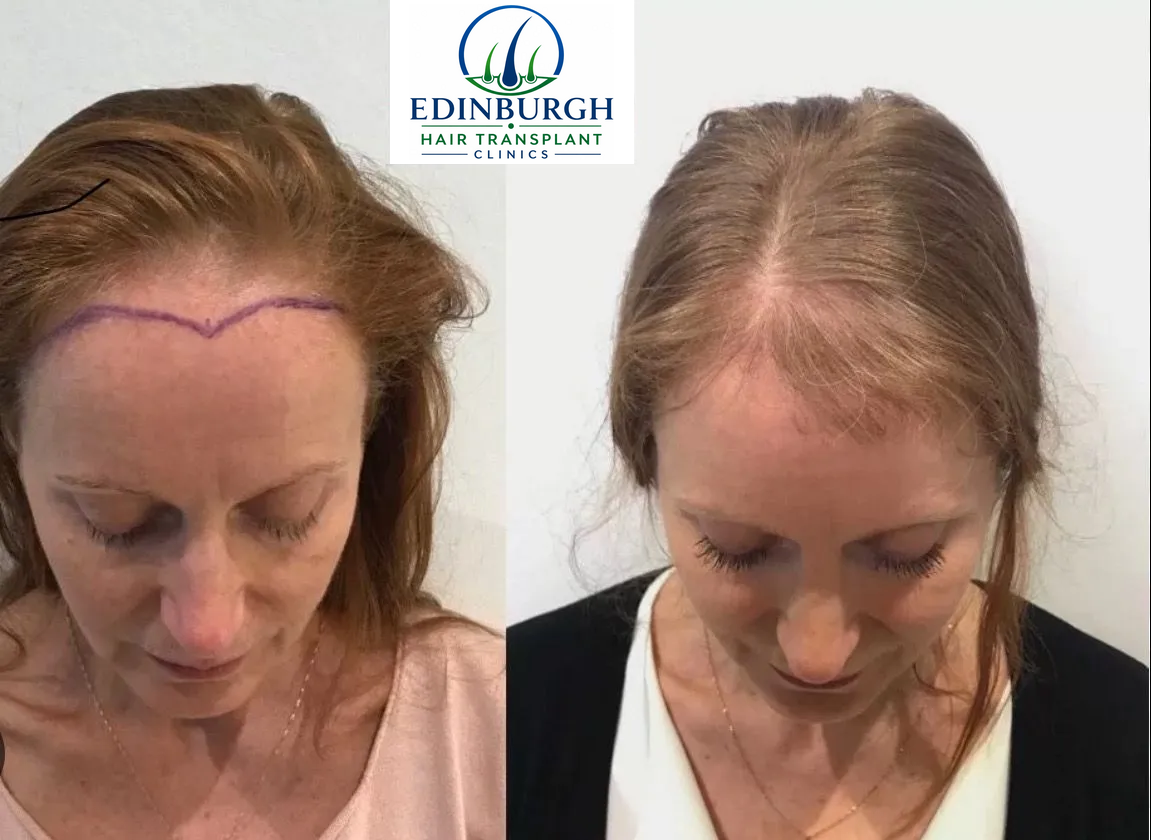
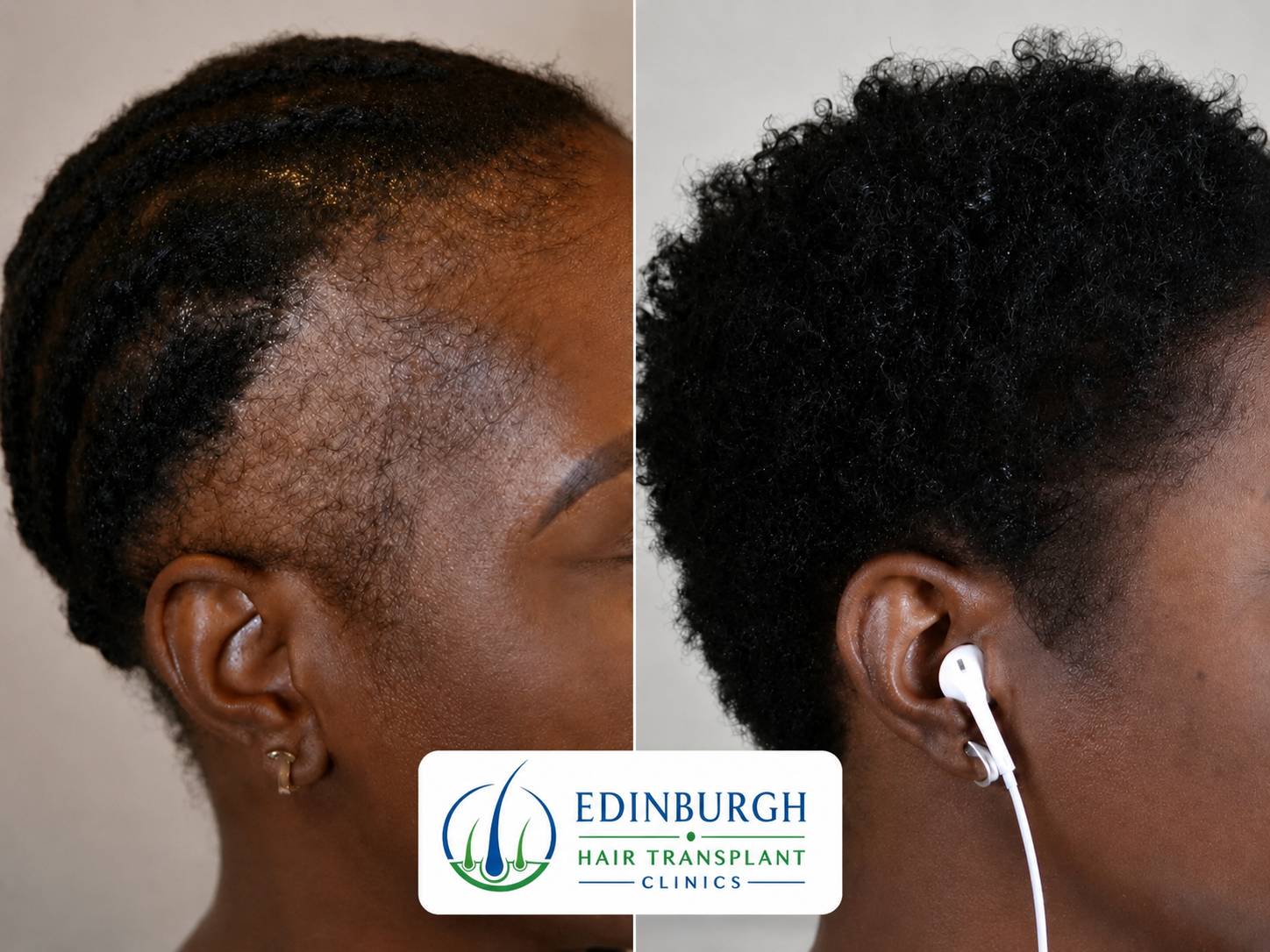
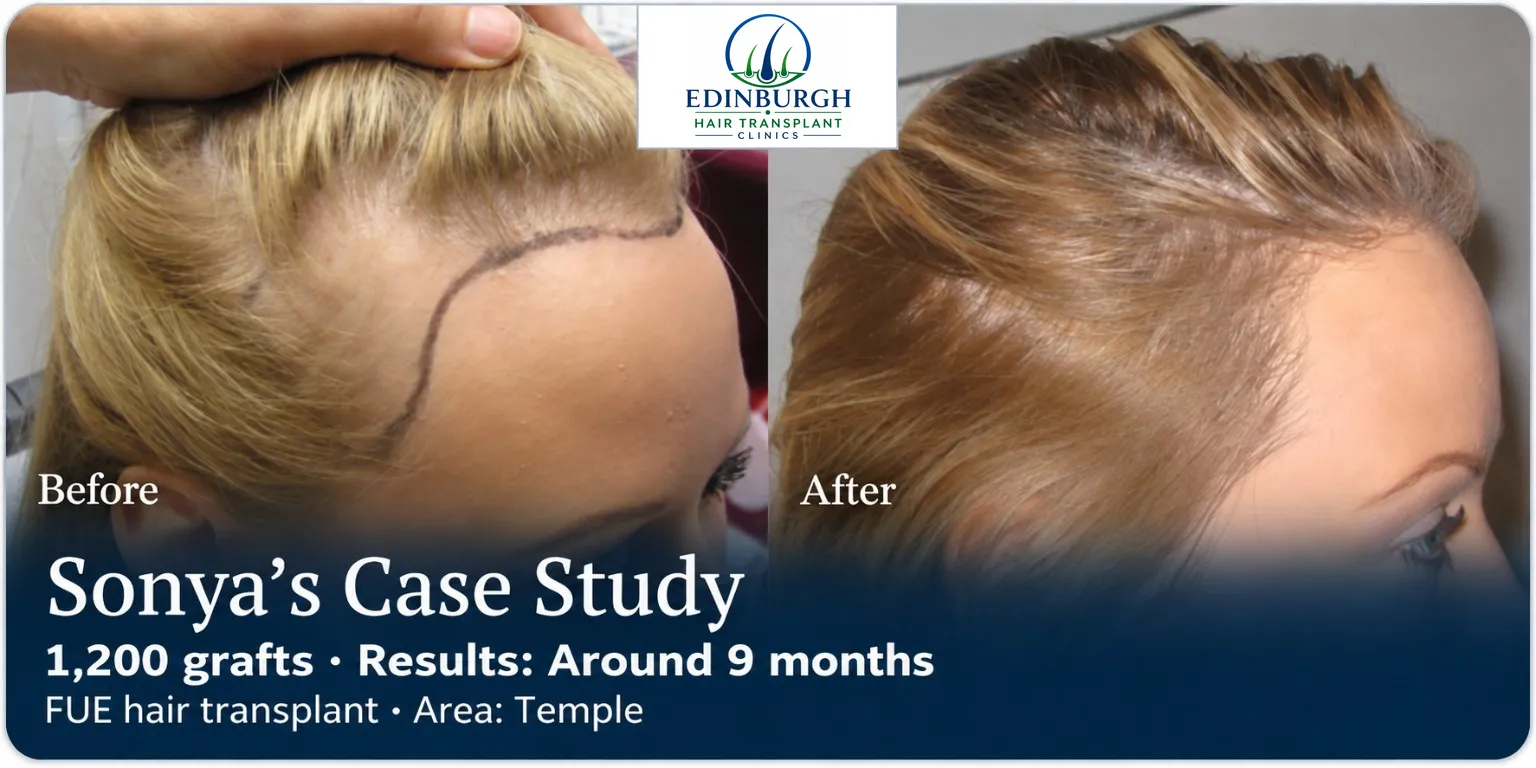
Hair Transplant Results for Women
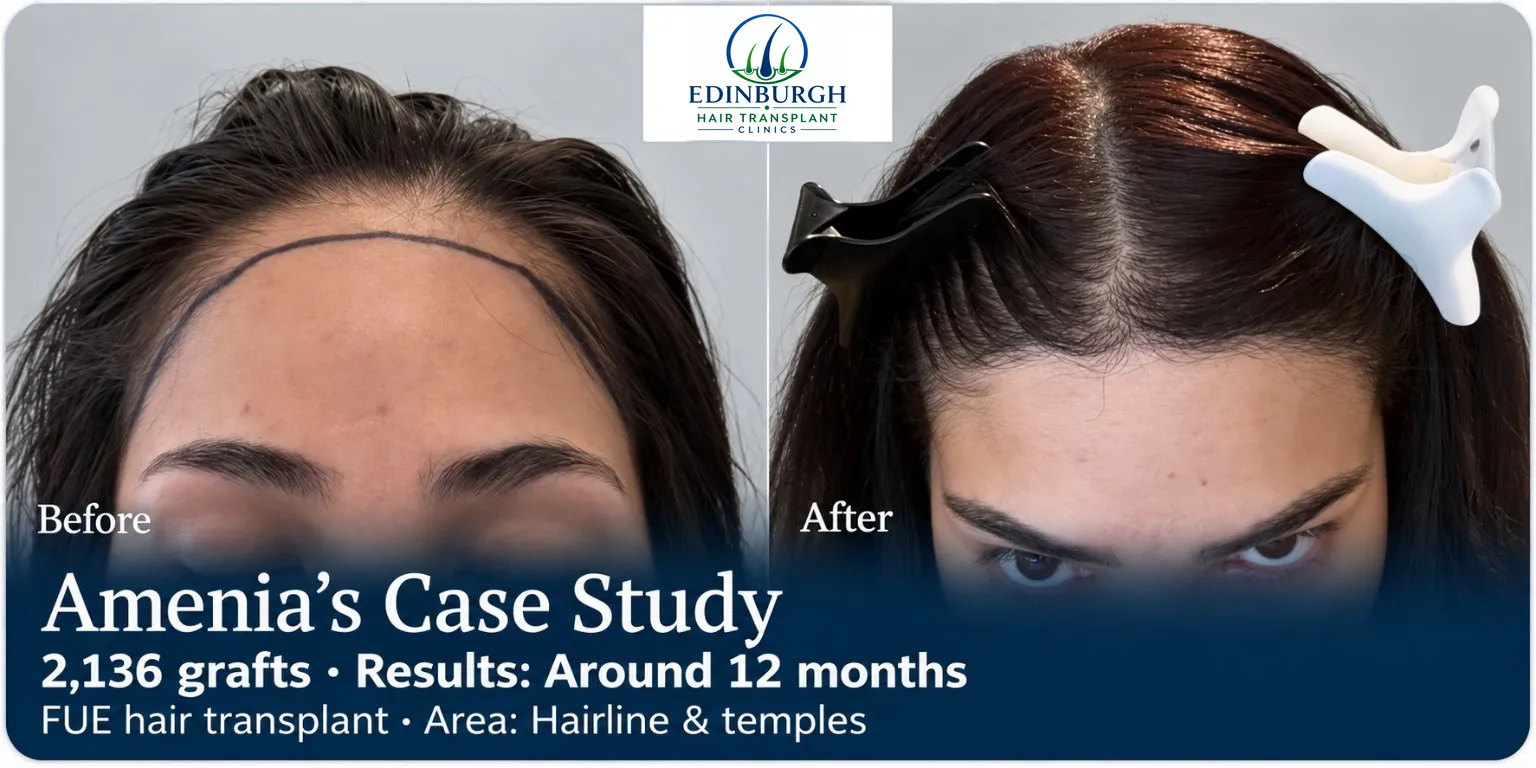
What Hair Transplants Do We Offer for Women?
Women come to the clinic with different patterns of permanent hair loss. Treatment may involve a naturally high hairline, recession around the temples, thinning through the central parting, missing eyebrow growth or damage caused by repeated tension on the hair.
The method and graft number are chosen after the donor area and existing hair have been examined. The aim is to work with the woman’s own growth pattern rather than apply one standard design.
Hairline Restoration
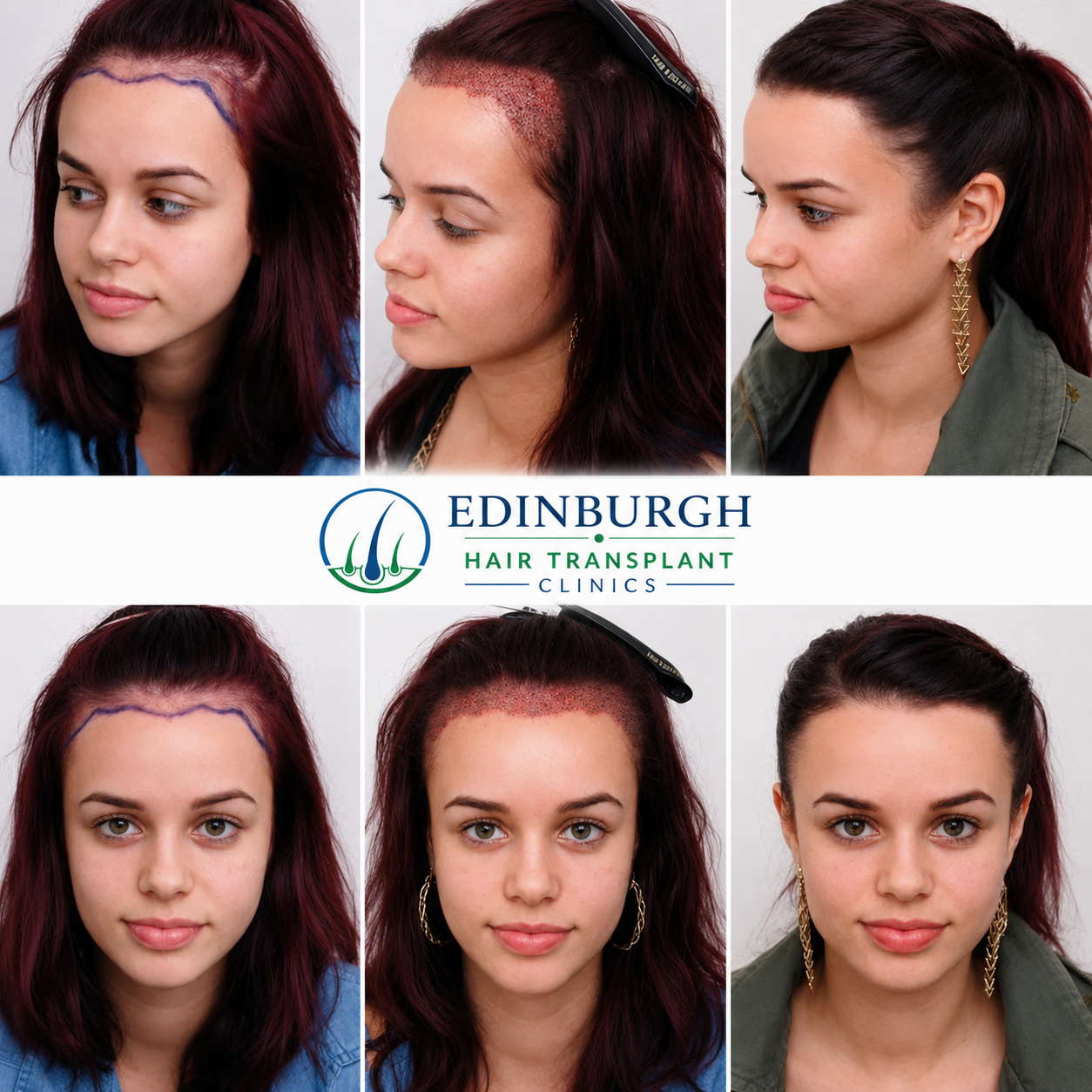
Hairline restoration, sometimes called hairline lowering, can help women who were born with a high forehead or have developed permanent recession around the front and temples.
Donor follicles are placed in front of the existing hairline to bring it forward and soften its shape. Fine single-hair grafts are used around the leading edge so that the finished hairline does not look heavy or abrupt.
The new position is planned around the woman’s facial proportions, existing hair and available donor supply. The proposed design is agreed before surgery.
Eyebrow Transplant
An eyebrow transplant uses hairs from the scalp to rebuild sections where natural eyebrow growth has been lost. Treatment can add density, fill missing areas or reshape a thin brow.
Each follicle needs to lie close to the skin and follow the changing direction of the natural brow. Because the transplanted follicles retain the growth characteristics of scalp hair, the new eyebrow hairs usually need regular trimming.
FUE Hair Transplant
FUE collects follicular units individually using a small punch. It avoids the long linear donor scar associated with strip surgery and is commonly used for hairline, temple, parting and eyebrow procedures.
The donor area may be fully shaved, partially shaved or prepared using an unshaven approach. This depends on the number of grafts required and how the surrounding hair will be managed during recovery.
FUT Hair Transplant
FUT removes a narrow strip of donor-bearing skin from the back of the scalp. The strip is divided into individual grafts before the donor area is closed, leaving a linear scar.
FUT can provide a larger number of grafts without shaving the full donor area. Its suitability depends on the woman’s hairstyle, donor requirements and acceptance of a linear scar.
How a Hair Transplant for Women Works
Surgery starts with a final review of the treatment plan. The surgeon checks the donor area, confirms the section being treated and marks the new hairline or area where additional density will be added.
Local Anaesthetic
Local anaesthetic is used to numb the donor and recipient areas. Patients remain awake during treatment, but the scalp stays numb while the follicles are collected and placed.
Preparing the Donor Hair
Hair at the back or sides of the scalp is prepared so the follicles can be collected accurately. During a partially shaven procedure, only a narrow section is trimmed and the longer hair above it can cover the donor area afterwards.
Unshaven and partially shaven procedures take longer because the surgical team must work around longer hair. This can also limit the number of grafts moved during one day.
Collecting the Follicular Units
During FUE, natural groups containing between one and four hairs are separated from the surrounding tissue using a small punch. Each follicular unit is lifted carefully and checked before implantation.
FUE extraction leaves small circular marks measuring approximately 0.8mm to 1mm rather than one long incision. Early healing commonly takes around 7 to 10 days, although redness may remain visible for longer.
Planning the New Growth
The surgeon plans the angle, direction and spacing before creating the recipient sites. This is particularly important when adding follicles between existing hairs.
Fine single-hair grafts are normally used around the front of a new hairline. Larger follicular units can be positioned behind them to build density without making the leading edge look unnatural.
Placing the Grafts
Tiny sites are made in the treatment area and the prepared grafts are placed individually. The same principle applies to the hairline, temples, parting and eyebrows, although each area requires a different direction and pattern.
A typical hairline procedure may take approximately six to seven hours. Larger or more technically demanding cases can take longer.
Who Performs the Procedure?
Treatment follows a surgeon-performed approach. The surgeon is responsible for the assessment, design and surgical stages, supported by trained technicians who prepare, check and manage the grafts.
Dr Harpreet Kalra reviews the pattern of loss, available donor hair and proposed treatment design before deciding how many grafts can be used safely.
Hair Transplant Cost for Women
View hair transplant prices
The final price depends on the area being treated, the number of grafts required and the extraction method used. It also reflects the amount of surgical time needed and whether the donor hair is fully shaved, partially shaved or collected using an unshaven approach.
Typical Hairline Restoration
View hair transplant prices
Typical grafts:
1,500–2,200
Surgery:
approximately 6–7 hours
Early recovery:
around 10–14 days
Stages:
usually one procedure
Used for:
high or receding hairlines
These figures are a guide. A small area of temple recession will not require the same graft number or surgical time as treatment across the full frontal hairline.
Why Prices Differ
Women often need fewer grafts than men with extensive baldness because the loss is more likely to appear as thinning through an existing area rather than a completely bald scalp.
The procedure can still take considerable time. Placing grafts between existing hairs requires careful spacing, and unshaven extraction is slower than working with a fully prepared donor area.
An unshaven or partially shaven procedure may limit a single-day treatment to around 2,000–2,500 grafts.
Finance Options
Finance is available for patients who prefer to spread the cost. The available term and monthly payment depend on the treatment price and finance option selected.
The treatment plan, graft estimate and full quotation are explained before a patient decides whether to proceed.
Visit our hair transplant cost page for further pricing and finance information.
Request a ConsultationWhy Women Lose Hair
Around eight million women in the UK live with some form of hair loss. Approximately 40% of cases are linked to hereditary pattern hair loss, leaving a wide range of other possible causes.
Hair loss in women is often more complex than it is in men. The cause and pattern need to be understood before surgery is considered, particularly when the shedding may be temporary.
Common Causes
- Hereditary pattern hair loss
- Traction alopecia caused by repeated tension
- Hormonal and post-menopausal changes
- Stress-related shedding
- Hair loss following chemotherapy
- Damage linked to repeated heat or harsh styling
- A naturally high or permanently receding hairline
Hereditary Pattern Hair Loss
Pattern hair loss commonly appears as gradual thinning across the top of the scalp or a widening central parting. The front hairline may remain partly intact even when the density behind it becomes weaker.
Surgery may be suitable when the hair loss is permanent and the donor area remains healthy enough to provide grafts.
Traction Alopecia
Traction alopecia develops when repeated pulling damages the follicles. Tight braids, extensions and hairstyles that place constant tension on the hairline can cause thinning around the front and temples.
A transplant may be considered once the tension has stopped and the affected area is stable. If the follicles are still recovering, the area may need more time before surgery is planned.
Temporary Hair Loss
Stress, illness, hormonal change and some medical treatments can cause temporary shedding. Hair may recover naturally once the cause has settled, so surgery is not normally the first step when the loss is temporary or still active.
Alopecia Areata
Alopecia areata causes patches of hair loss that may later regrow. Because the condition can remain active or affect new areas, immediate transplant surgery is not usually recommended.
Who Is Likely to Be Suitable?
A woman is more likely to be suitable when the hair loss is permanent, the treatment area is stable and the donor hair is strong enough to provide the required grafts.
Hairline lowering can also be considered when there is no medical hair-loss condition but the woman was born with a naturally high hairline.
What Is Checked During Consultation?
The consultation considers the pattern and duration of the loss, medical history, previous treatment, donor density, hair calibre and the amount of existing hair in the recipient area.
The surgeon also checks whether the loss is still progressing and whether the available grafts can provide useful coverage without weakening the donor area.
If surgery is not the right first option, monitoring or a non-surgical treatment such as PRP hair treatment may be discussed.
Meet Dr Harpreet Kalra
Every woman’s hair loss needs to be assessed individually. Dr Harpreet Kalra examines the pattern of thinning, donor-area strength and condition of the existing hair before recommending surgery.
This is particularly important when grafts are being placed between natural hairs. The treatment plan must account for the direction of growth, the density already present and the possibility of further loss.
The proposed hairline, treatment area and graft estimate are discussed before surgery. This allows the procedure to be planned around the woman’s features, existing hair and available donor supply.
Read About Dr Kalra
Recovery, Growth and Aftercare
Most women need around 10 to 14 days for the visible signs of surgery to settle. Small scabs form around the transplanted follicles, and the donor area may remain pink or tender during early recovery.
Patients receive aftercare instructions before leaving the clinic and can contact the team if questions arise during recovery.
The First Few Days
The grafts must not be rubbed or pressed. Sleeping with the head raised helps protect the treatment area and can reduce swelling during the first few nights.
The scalp needs to remain clean and hydrated, but washing must be gentle. Water should not be directed forcefully onto the grafts, and the recipient area should not be rubbed with the fingers or a towel.
Scabs and Healing
The scabs loosen as the skin heals and should not be picked. FUE extraction marks normally settle during early recovery, although visible redness can remain for longer.
Returning to Work
Many patients return to desk-based work after the initial recovery period. The timing depends on the amount of redness, the size of the procedure and whether the donor area was shaved.
Longer hair can sometimes cover a partially shaved donor section, which is one reason some women choose a partial or unshaven approach.
Shedding After Surgery
The transplanted hairs commonly shed during the weeks after surgery. This is expected. The follicles remain beneath the skin and later begin a new growth cycle.
Shedding can make the area look similar to how it appeared before surgery. It does not mean that the transplanted follicles have been lost.
When New Hair Begins to Grow
New hair often begins to appear after two to three months. Early growth may be fine or uneven because the follicles do not all begin growing at the same time.
Density develops gradually. Many patients see substantial growth at around 10 months, although the result may continue to mature for 12 months or longer.
Ongoing Support
Follow-up support remains available throughout recovery. Patients can ask about washing, shedding, returning to exercise and the progress of new growth.
Read our hair transplant aftercare guide and hair transplant timeline for further information.
Frequently Asked Questions
Are hair transplants successful for women?
Hair transplantation can produce lasting growth when the loss is permanent and the donor area can provide suitable grafts. Coverage depends on the pattern of loss, available donor hair and condition of the area being treated.
Do women need to shave their hair?
Not always. The donor area may be fully shaved, partially shaved or prepared using an unshaven approach. The correct option depends on the number of grafts and extraction method.
Does a hair transplant hurt?
Local anaesthetic numbs the donor and recipient areas. There may be brief discomfort while it is administered, but the scalp remains numb during extraction and placement.
How long does the procedure take?
Treatment normally takes several hours and may last most of the day. A typical hairline procedure can take around six to seven hours.
Will I continue to lose my existing hair?
A transplant does not prevent thinning in surrounding natural hair. Possible future loss is considered when the hairline and graft distribution are planned.
Can surgery lower a naturally high hairline?
Yes. Donor follicles can be positioned in front of the existing hairline to bring it forward and create a softer shape.
Can women have an eyebrow transplant?
Yes. An eyebrow transplant uses scalp follicles to restore missing eyebrow growth.
Who performs the hair transplant?
Treatment follows a surgeon-performed approach, with trained technicians supporting the preparation and management of the grafts.
Patient Reviews
Reviews from patients of Edinburgh Hair Transplant Clinics.
Considering a Hair Transplant?
Book a consultation to discuss your hair loss, donor area and treatment options. Dr Harpreet Kalra can assess whether surgery is suitable and explain the result that can realistically be planned.
Book a Free Consultation