



What is Male Pattern Baldness?
Male pattern baldness, also called androgenetic alopecia, is the most common form of hair loss in men. It usually develops gradually, with changes at the temples, a receding hairline or thinning through the crown. Hair around the back and sides of the scalp is often better preserved. The pattern and speed of change vary, so two men of the same age can have very different hair loss.
Inherited sensitivity to dihydrotestosterone (DHT) plays an important role. In susceptible follicles, the growing phase becomes shorter and successive hairs become finer and shorter. Over time, this process of miniaturisation reduces visible coverage. Genetic factors can come from either side of the family. DermNet explains the link between DHT, genetics and hair growth.
The Norwood scale is used to describe common patterns of recession and crown loss. The diagram shows several of these patterns, including cases where the hairline moves back and cases where thinning first becomes noticeable at the crown. It is a way to record what is visible, rather than a prediction of how quickly your hair will change or how many grafts you need. Read our Norwood stages 1–7 guide for a fuller explanation of the stages, photographs and treatment planning.
A diagnosis starts with your history and a scalp examination. A doctor will consider when the loss began, whether relatives have similar changes and whether there are other symptoms. Sudden shedding, smooth bald patches or an inflamed scalp may have a different cause. Tests are sometimes appropriate, depending on the findings. The American Academy of Dermatology describes how hair loss is assessed; our Hair Loss page covers other causes.
Hair loss can affect confidence even when it does not cause physical discomfort. You can seek advice without committing to treatment. If the change is worrying you or affecting your wellbeing, speak to your GP and explain what you have noticed.
Treatments Available
Options include medication, cosmetic camouflage, hair systems and, for suitable cases, a hair transplant. Some men choose to monitor their hair or change their hairstyle. Treatment is a personal decision. Finasteride and minoxidil are the main medicines used for male pattern hair loss, but neither works for everyone and benefits generally depend on continued use. The NHS guide to hair loss outlines the available approaches.
Finasteride is a prescription medicine that reduces the conversion of testosterone to DHT. It can slow further loss and may improve growth in some men. It is usually taken as a daily tablet, with progress assessed over several months. In the UK, finasteride for hair loss is available on a private prescription. Discuss your medical history, other medicines and expectations with the prescriber before starting. The NHS finasteride information explains its use.
Finasteride can cause sexual side effects and changes in mood, and sexual symptoms may persist after treatment stops. Tell your prescriber about any history of depression or suicidal thoughts. If you develop depression or suicidal thoughts while taking finasteride 1 mg for hair loss, stop taking it and contact your doctor as soon as possible. Seek urgent help if you feel at risk of harming yourself. Read the MHRA’s updated finasteride safety advice and discuss any concerns with your prescriber.
Topical minoxidil is applied to the scalp and may help slow thinning and encourage growth. It takes time to assess the response, and continued treatment is needed to maintain any benefit. Scalp irritation can occur, and some people notice an initial increase in shedding. A pharmacist or doctor can advise on suitability and how to use the product. Follow its patient leaflet, particularly if you have a heart condition or an irritated scalp. The British Association of Dermatologists’ patient information explains minoxidil and other options.
When you arrange a consultation, tell the team what you have already tried and how long you used it. Photos taken at different times can help you explain the changes that concern you. Bring details of any diagnosis or prescription treatment so the discussion can consider your existing care as well as your goals.
Hair Transplant Methods
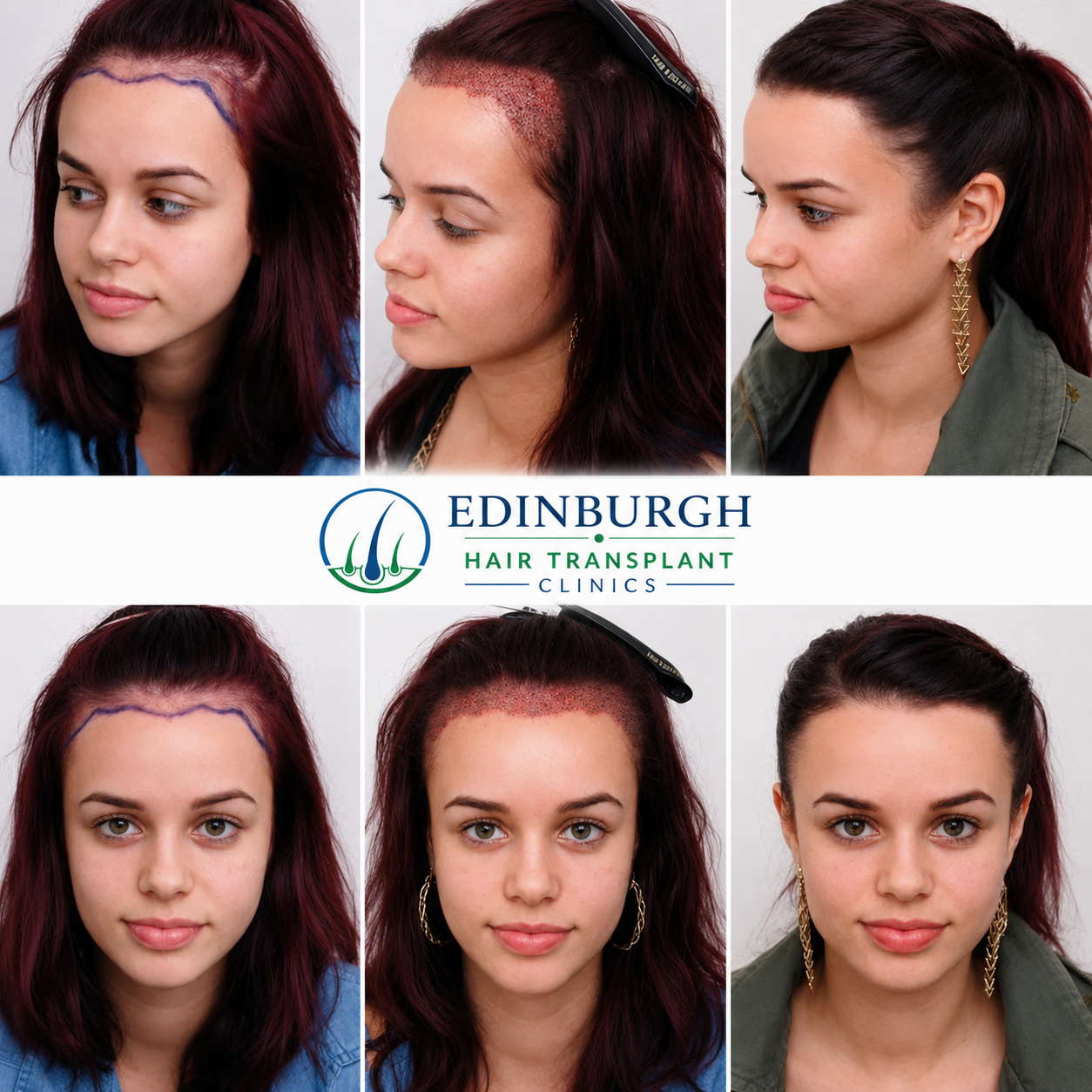
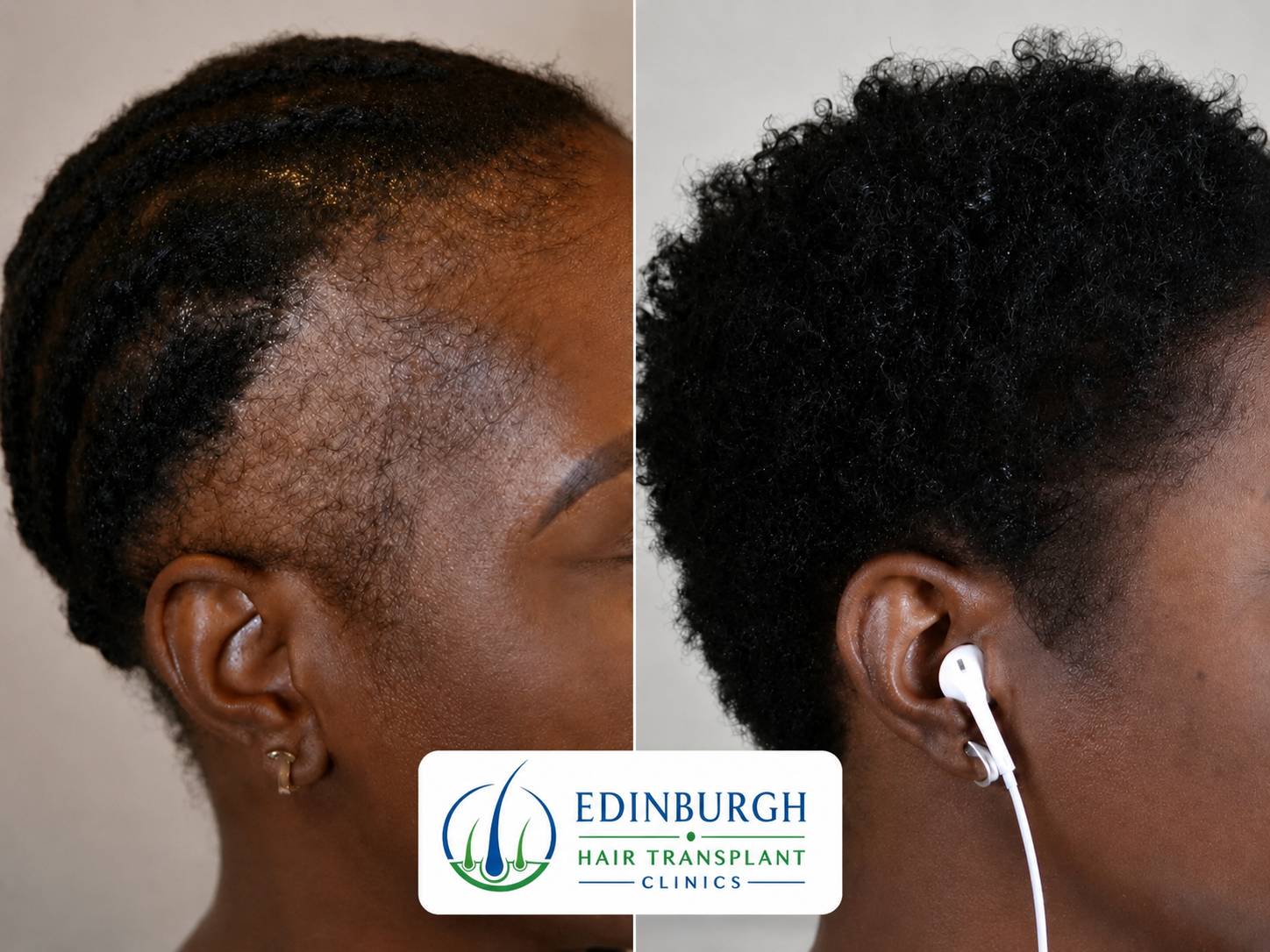
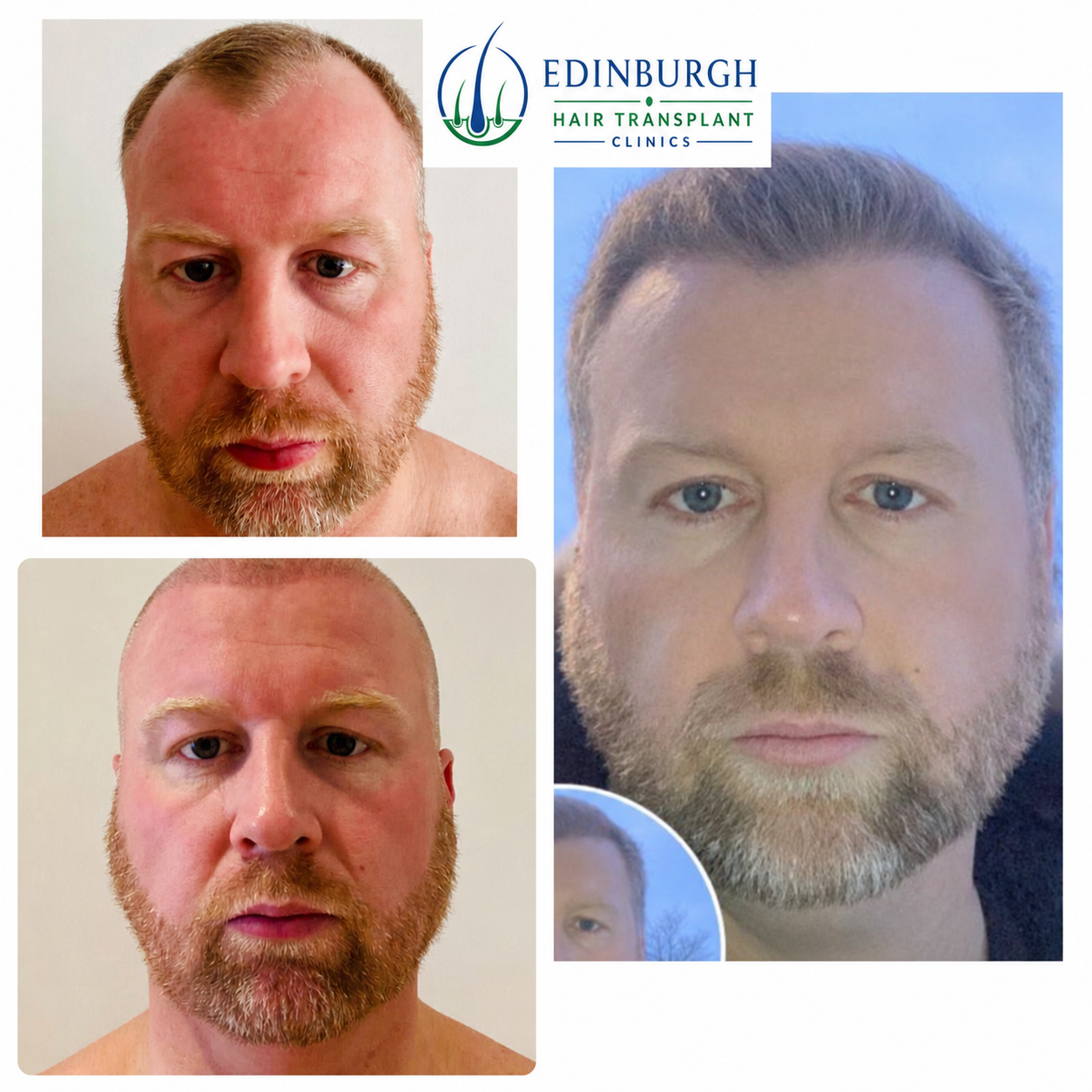
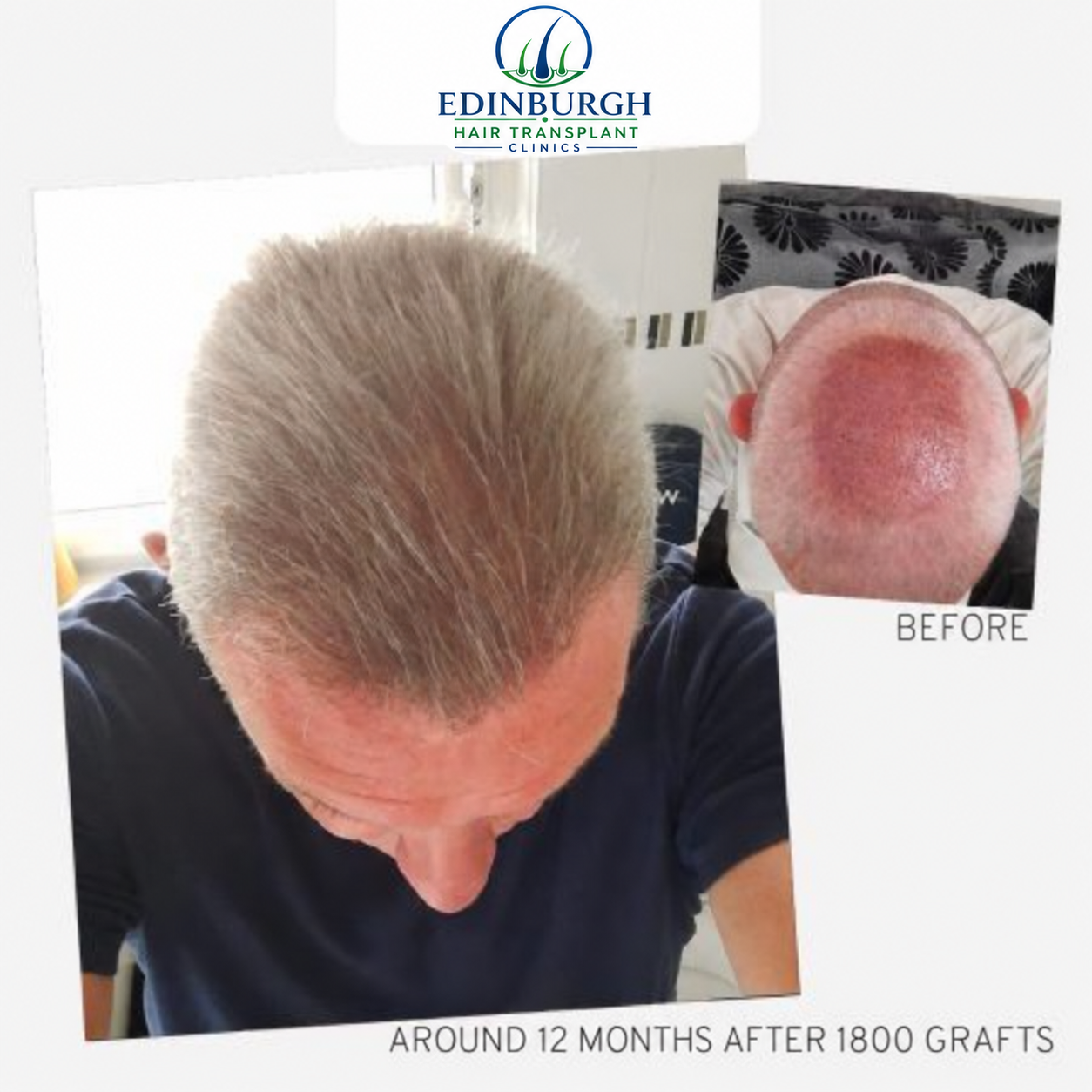
A hair transplant moves your own growing follicles from a donor area into areas with reduced coverage. It redistributes the available hair and does not stop further loss in the surrounding, non-transplanted hair. An assessment considers the strength of the donor area, the extent of thinning and how a proposed hairline may look as you age.
Follicular Unit Extraction (FUE) collects individual follicular units using a small punch, leaving small round scars. Follicular Unit Transplantation (FUT) removes a strip of hair-bearing scalp that is divided into grafts, leaving a linear scar. Both methods involve placing grafts into the recipient area. The appropriate approach depends on your donor hair, scalp, previous procedures and priorities.
Surgery carries risks, including infection, bleeding, scarring and disappointing growth. Results develop over months, and future thinning may affect the overall appearance. The NHS hair transplant guide explains the procedures, recovery and potential complications. Our hair transplant timeline and aftercare guide provide further information about the recovery period.
At Edinburgh Hair Transplant Clinics, you can discuss your concerns with Dr Harpreet Kalra. Tell us whether your priority is the hairline, crown or a broader area of thinning. The consultation is an opportunity to ask what coverage is realistic, who will perform the procedure and what follow-up is included.
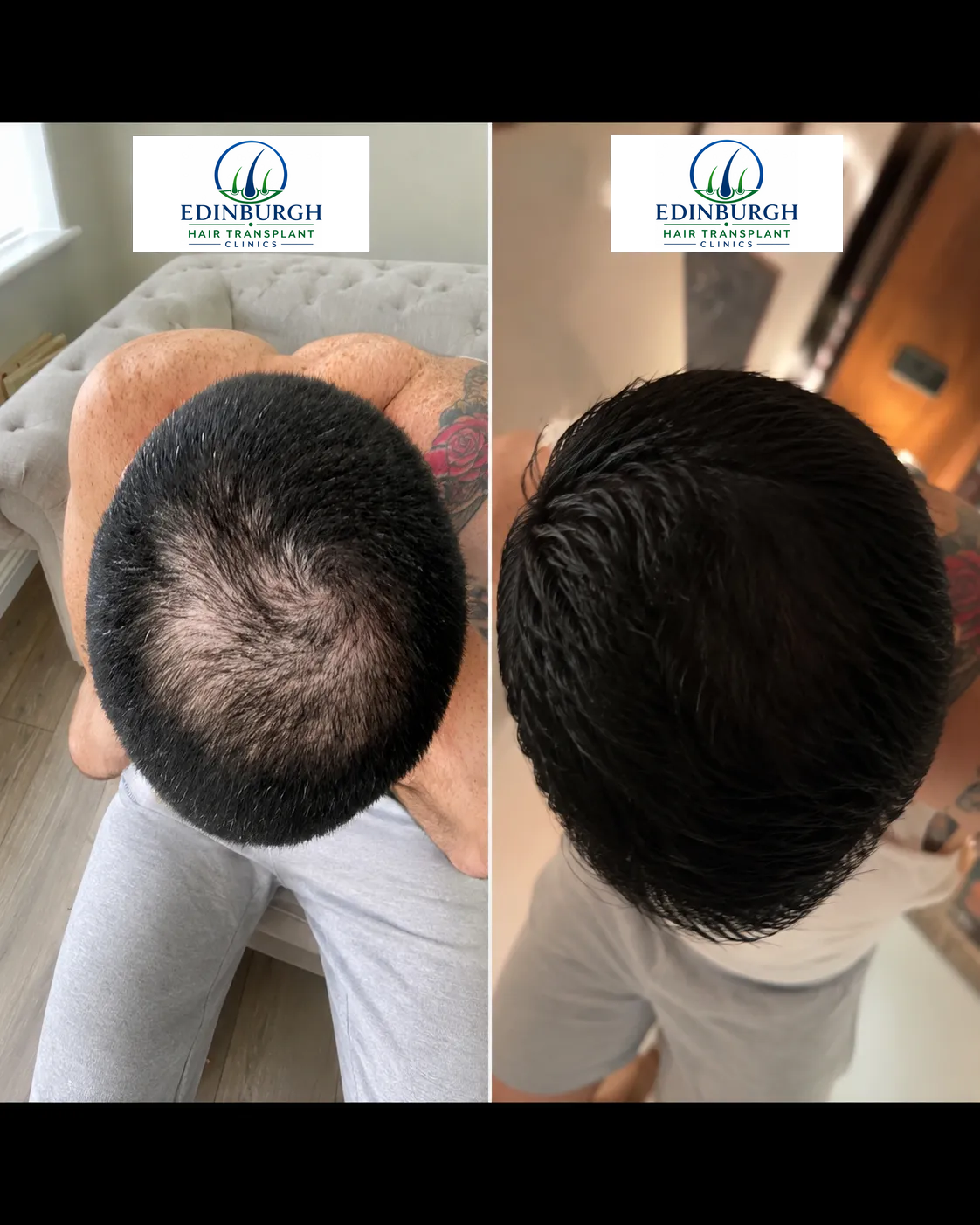
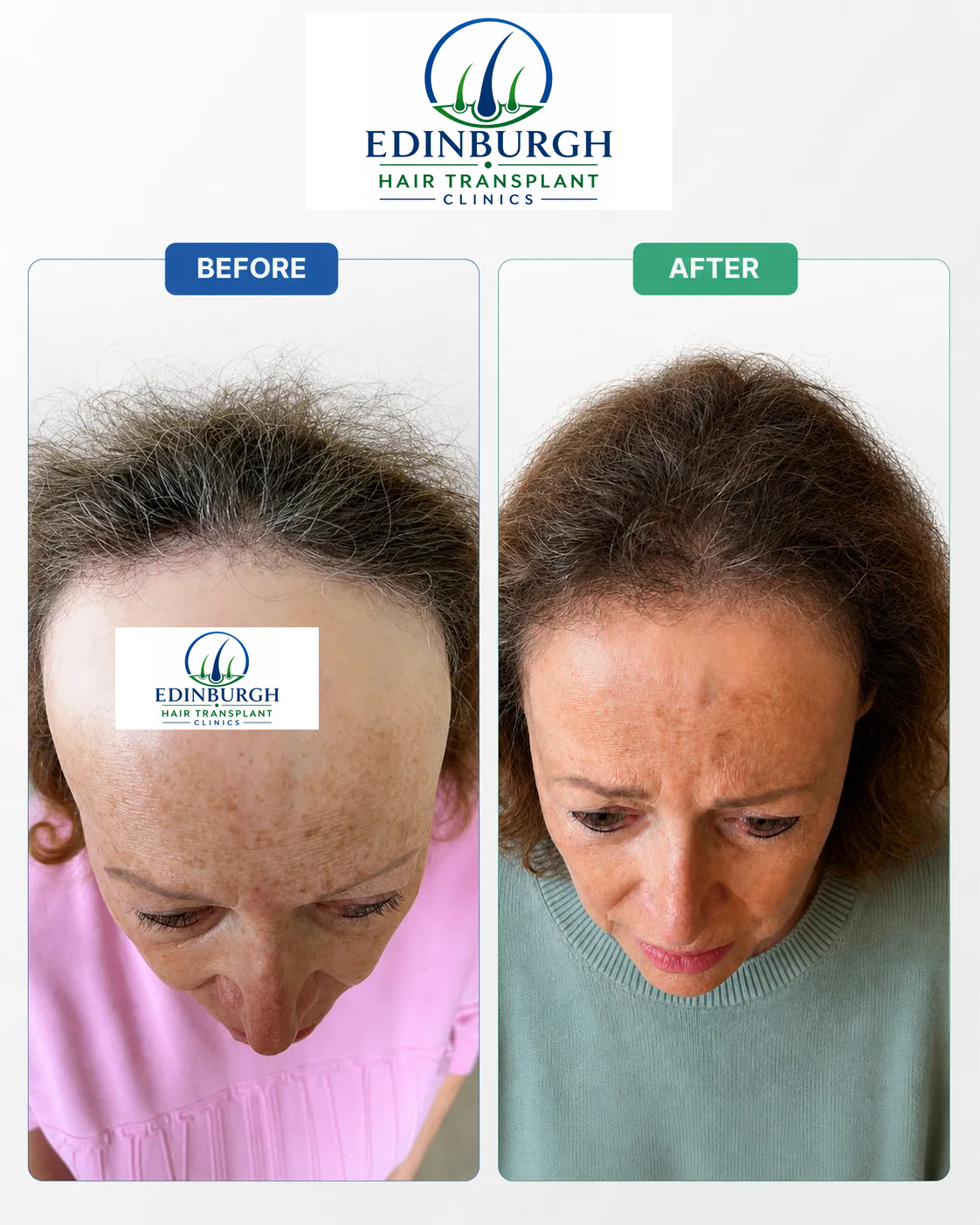
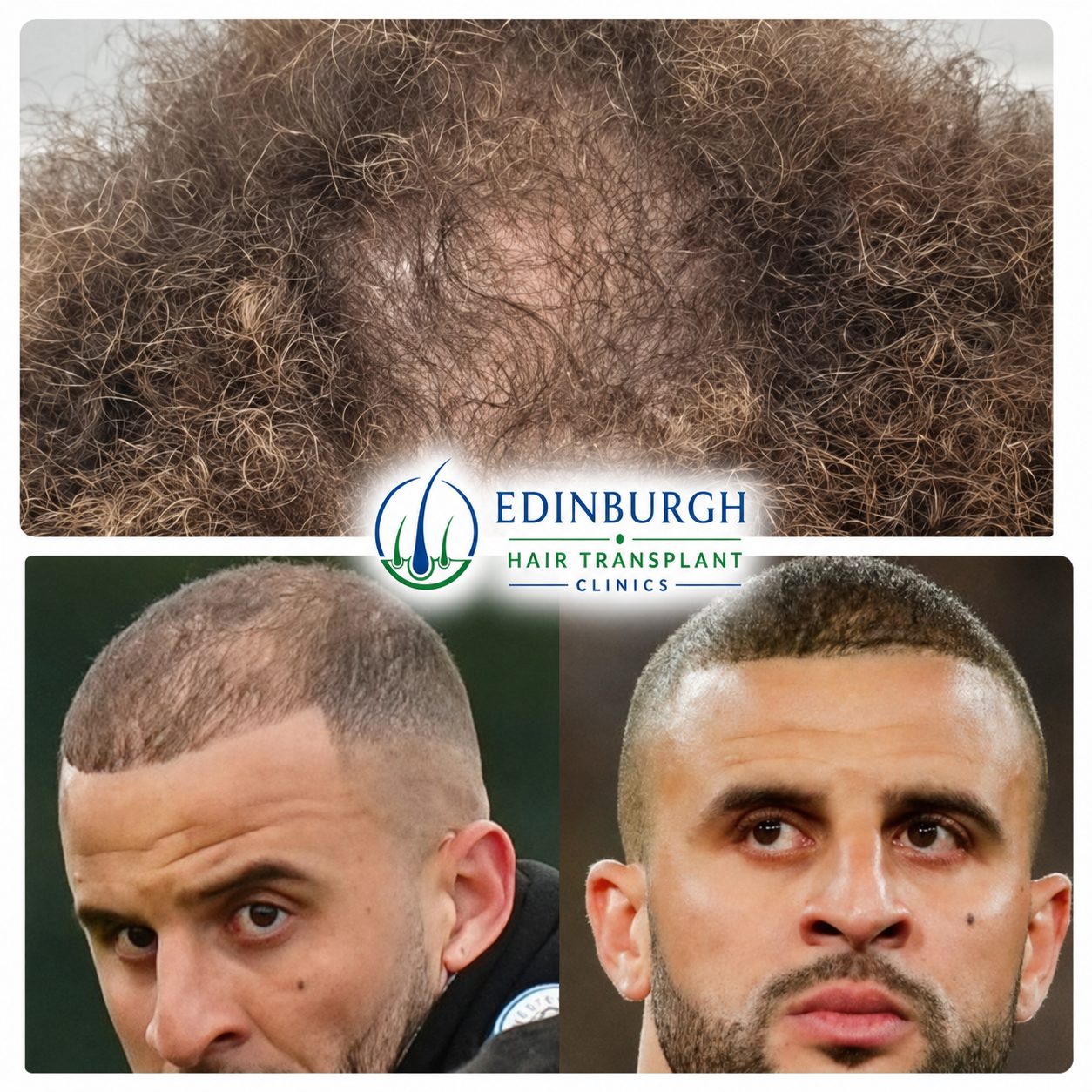
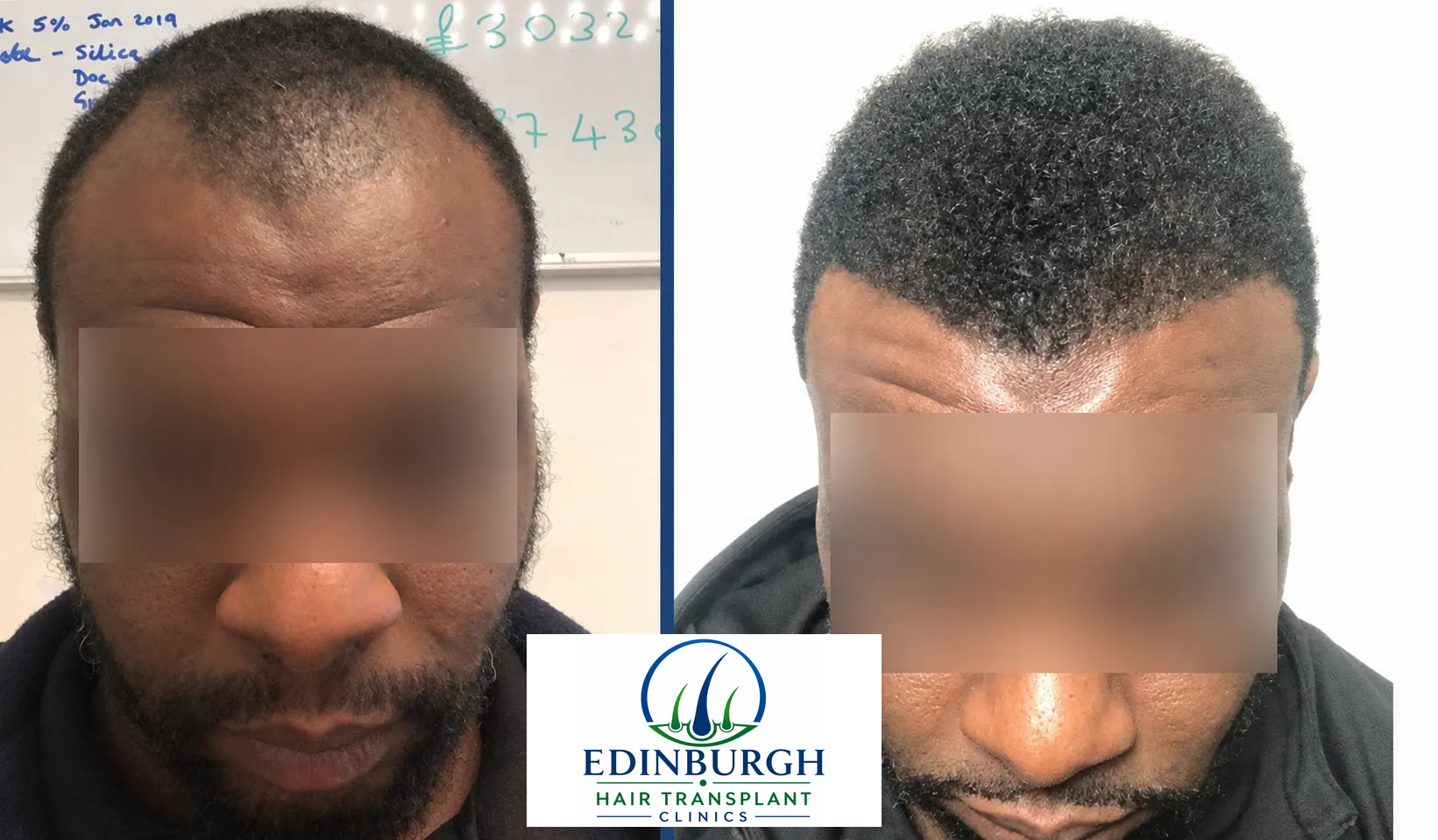
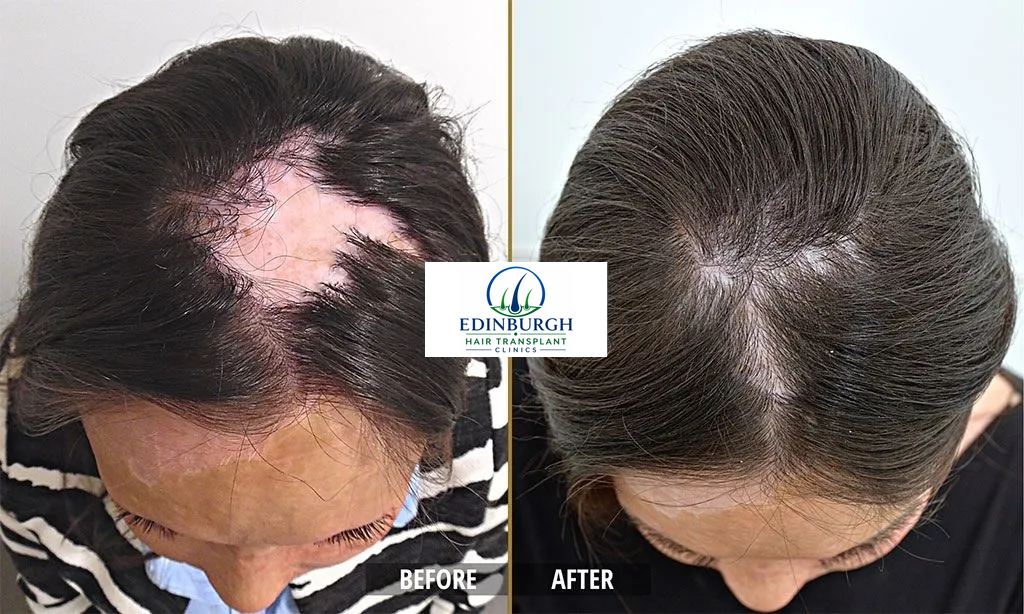
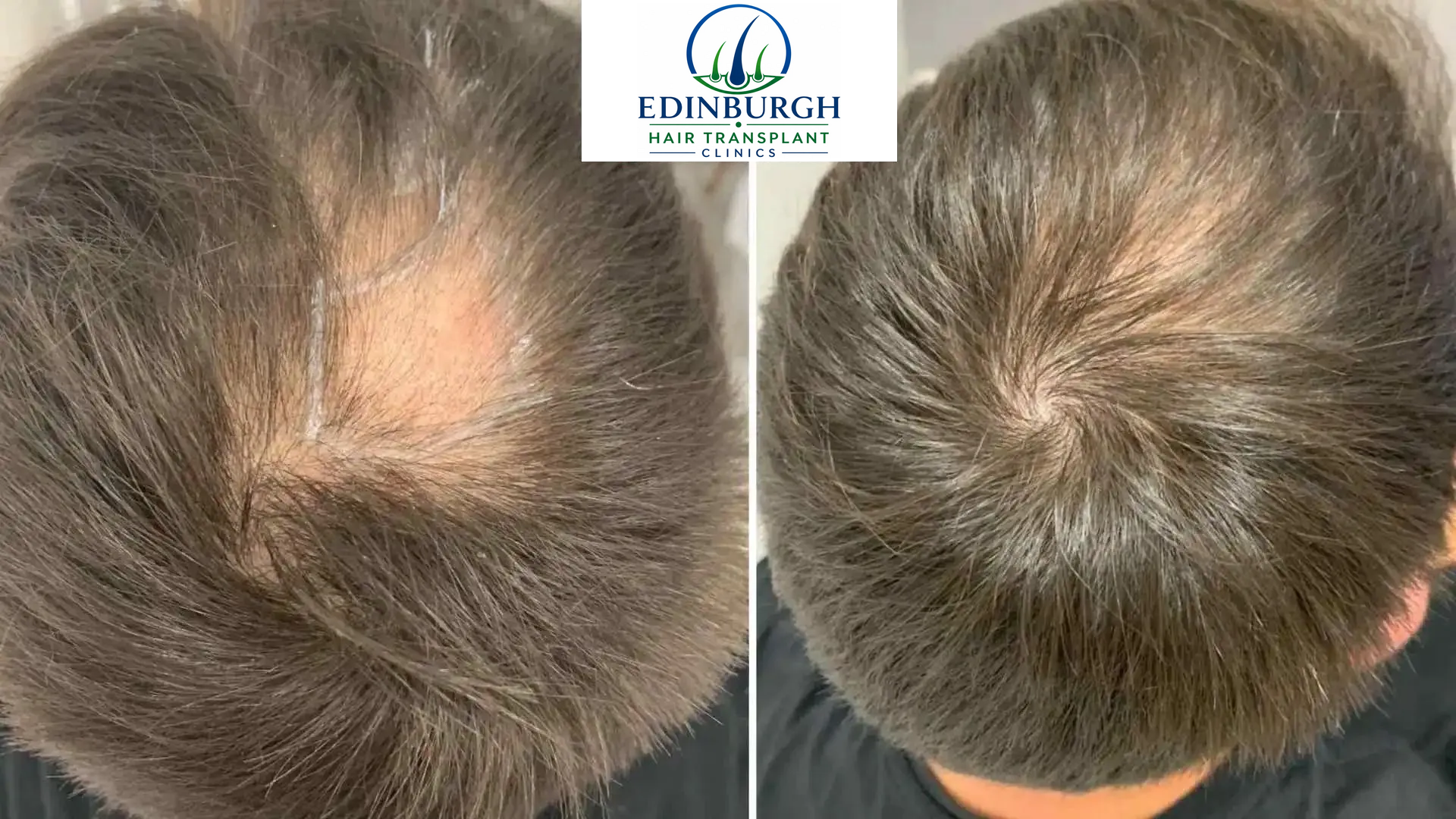
You can view our Edinburgh patient results and cost information before making an appointment. Previous results are examples, and your own plan will depend on your assessment. To discuss the next step, request a free consultation with the Edinburgh team.
Male Pattern Baldness Q&A
How do I know whether I have male pattern baldness?
Gradual recession at the temples or thinning through the crown can suggest male pattern hair loss. A doctor considers the pattern, your history and the condition of your scalp before making a diagnosis. A photograph or Norwood stage alone cannot confirm the cause. If the loss is sudden, patchy or accompanied by scalp symptoms, arrange an assessment rather than assuming it is inherited baldness.
What age does male pattern baldness start?
It can become noticeable at any time after puberty. Some men see changes in their teens or twenties; others notice them much later. Family history can be relevant, but it cannot tell you exactly when your hair will change or how far the loss will progress. The British Association of Dermatologists explains these differences.
Can hair grow back without treatment?
Established male pattern baldness does not usually reverse by itself. Temporary shedding has different causes and may recover when the trigger settles. That distinction matters before choosing treatment. If you are unsure which applies to you, your GP can help establish the cause; our Hair Loss guide explains the main possibilities.
What happens if I stop finasteride or minoxidil?
Any benefit generally depends on continued use, so hair loss can resume after treatment stops. Neither medicine works for everyone. Discuss side effects or plans to stop with your doctor or pharmacist, and follow any urgent safety advice in the patient leaflet. Our treatment section covers the main considerations and links to the current finasteride safety guidance.
Will a hair transplant stop future hair loss?
No. A transplant moves existing follicles to improve coverage, but the surrounding hair can continue to thin. The surgeon needs to consider future loss when planning the hairline and using the available donor hair. A hair transplant consultation should cover those limits, possible complications and what further care you may need.
How much does treatment cost in Edinburgh?
The cost depends on the treatment being considered and, for surgery, the work involved. Read our Edinburgh pricing information , then request a consultation for an individual assessment and quote. Ask what the quote includes, who will carry out the procedure and what follow-up is provided before booking.
Share This
Book a Consultation in Edinburgh
If you are concerned about a receding hairline or thinning crown, our Edinburgh team can help you arrange a consultation. Bring your questions about treatment, likely coverage and the care you can expect afterwards.
Call 0131 639 0004 or use our consultation form. Our clinic is at 83 Princes Street, Edinburgh, EH2 2ER.