
Edinburgh consultation enquiry
Hair Transplant Edinburgh
Consultations at 83 Princes Street, Edinburgh. FUE prices start from £1,999 for 500 grafts; treatment follows an individual assessment. View prices and packages.
At Edinburgh Hair Transplant Clinics, we offer FUE, DHI, FUT and specialist hair transplant procedures. Your consultation helps establish whether surgery is suitable for your hair loss.
Treatment planning begins with your pattern of hair loss, available donor hair, medical history and long-term goals. Dr Harpreet Kalra assesses these factors before a procedure or graft number is recommended.


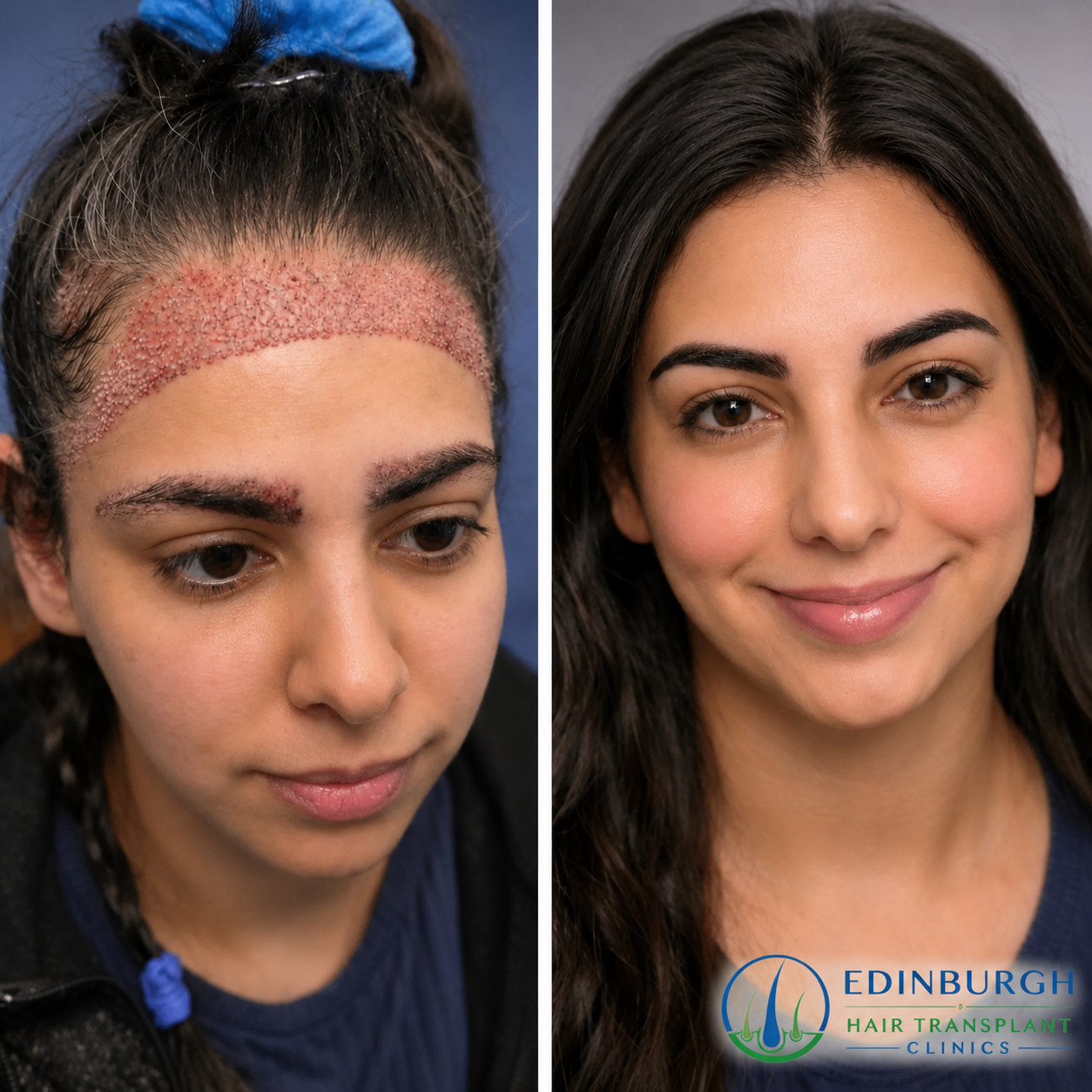
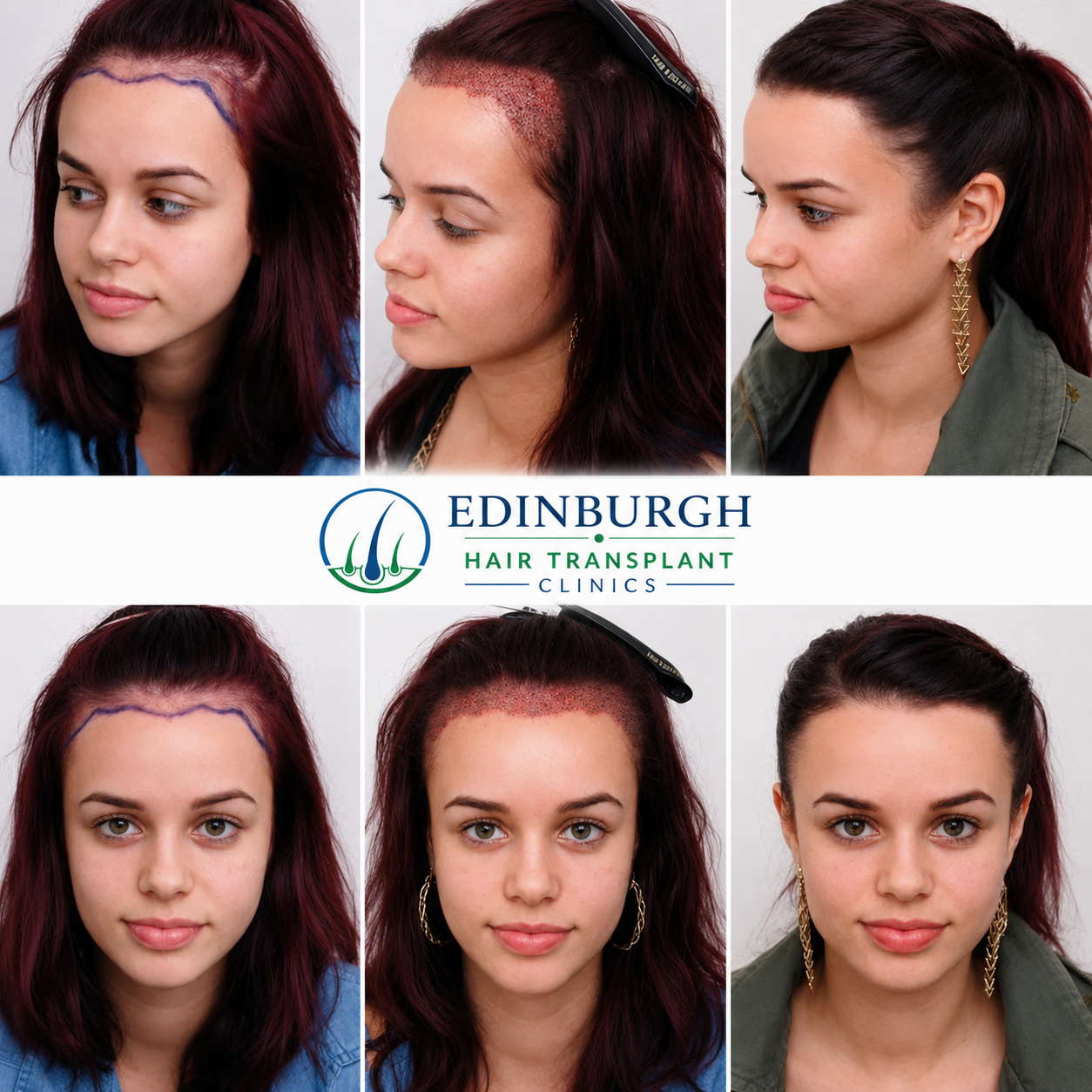
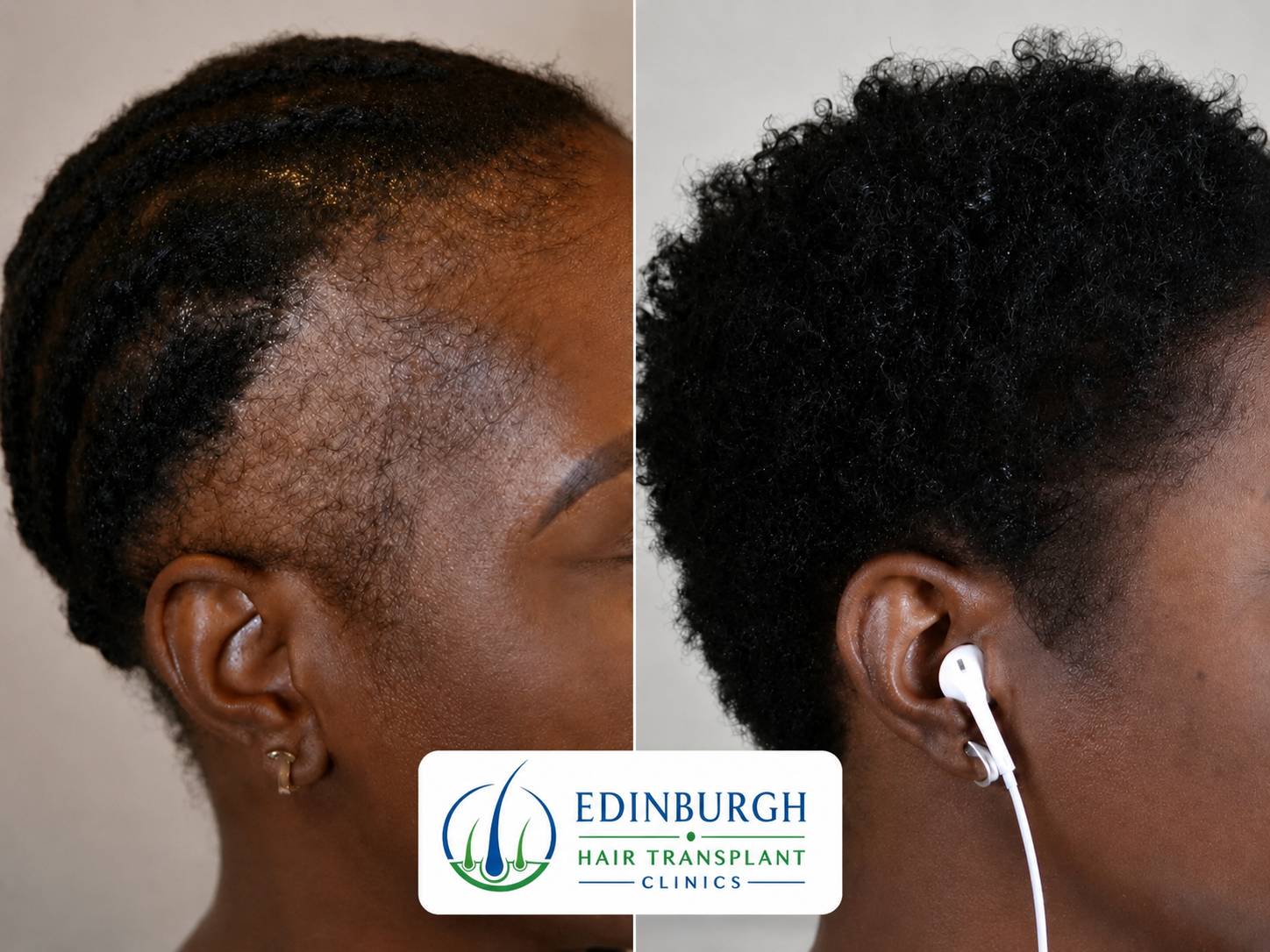
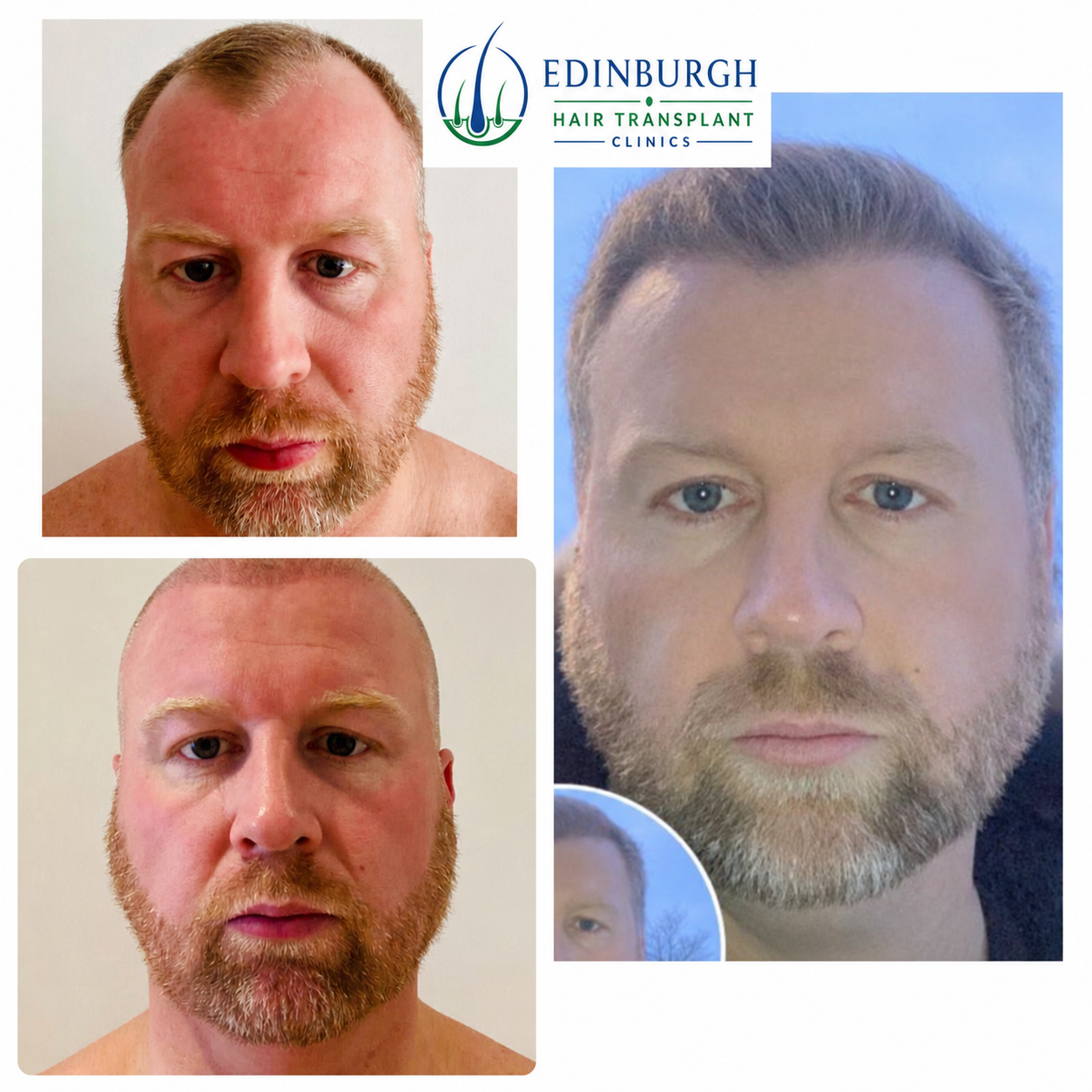
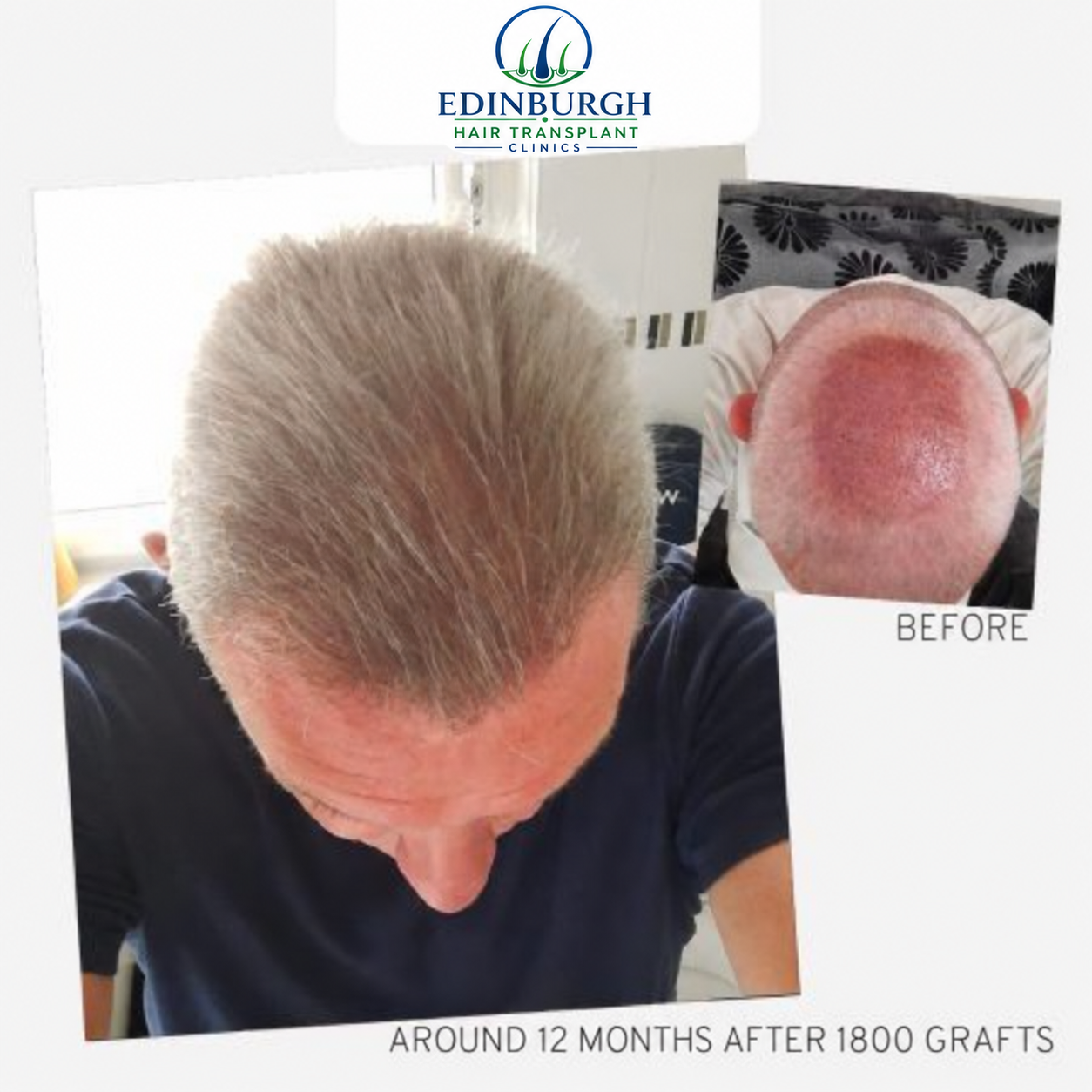
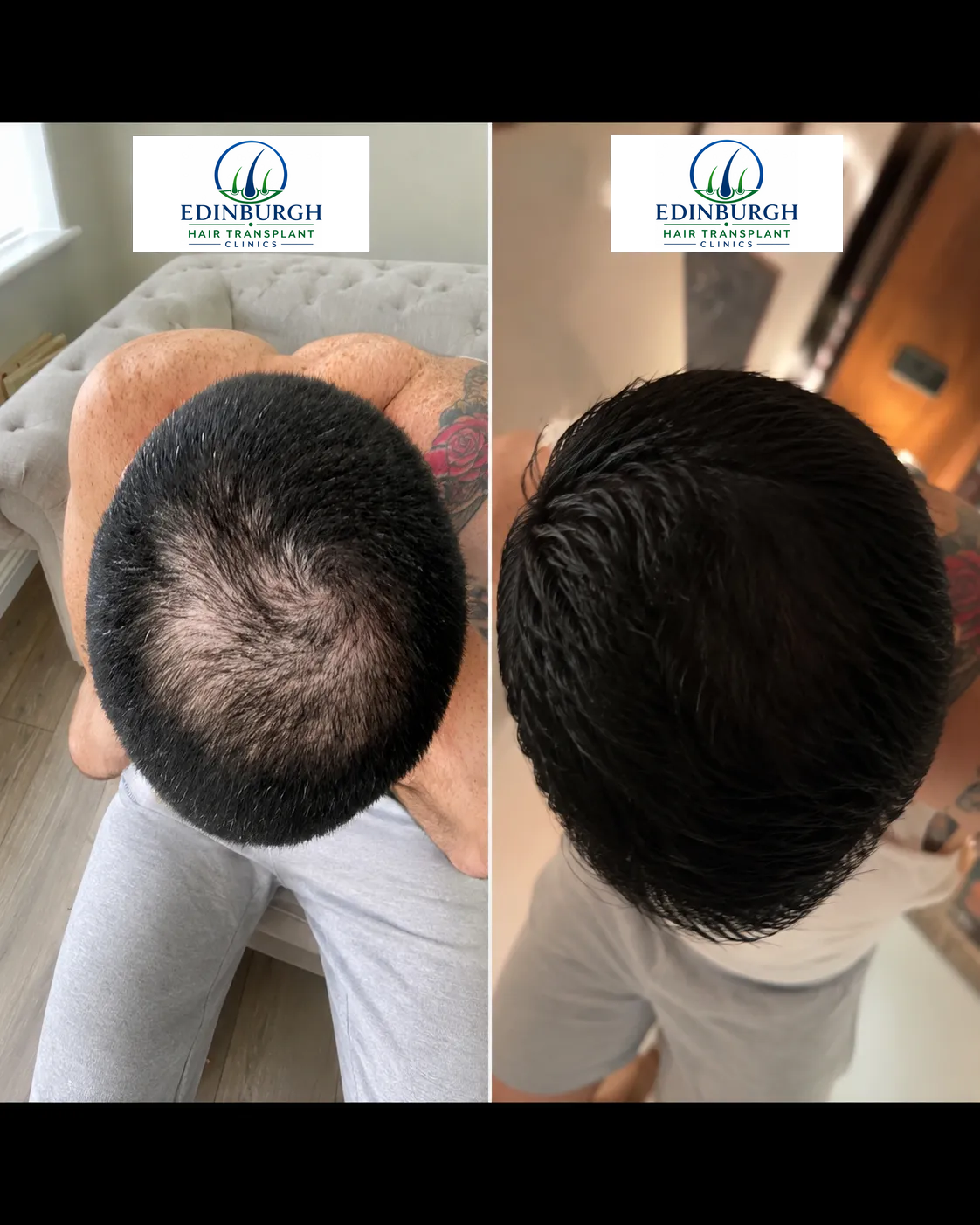
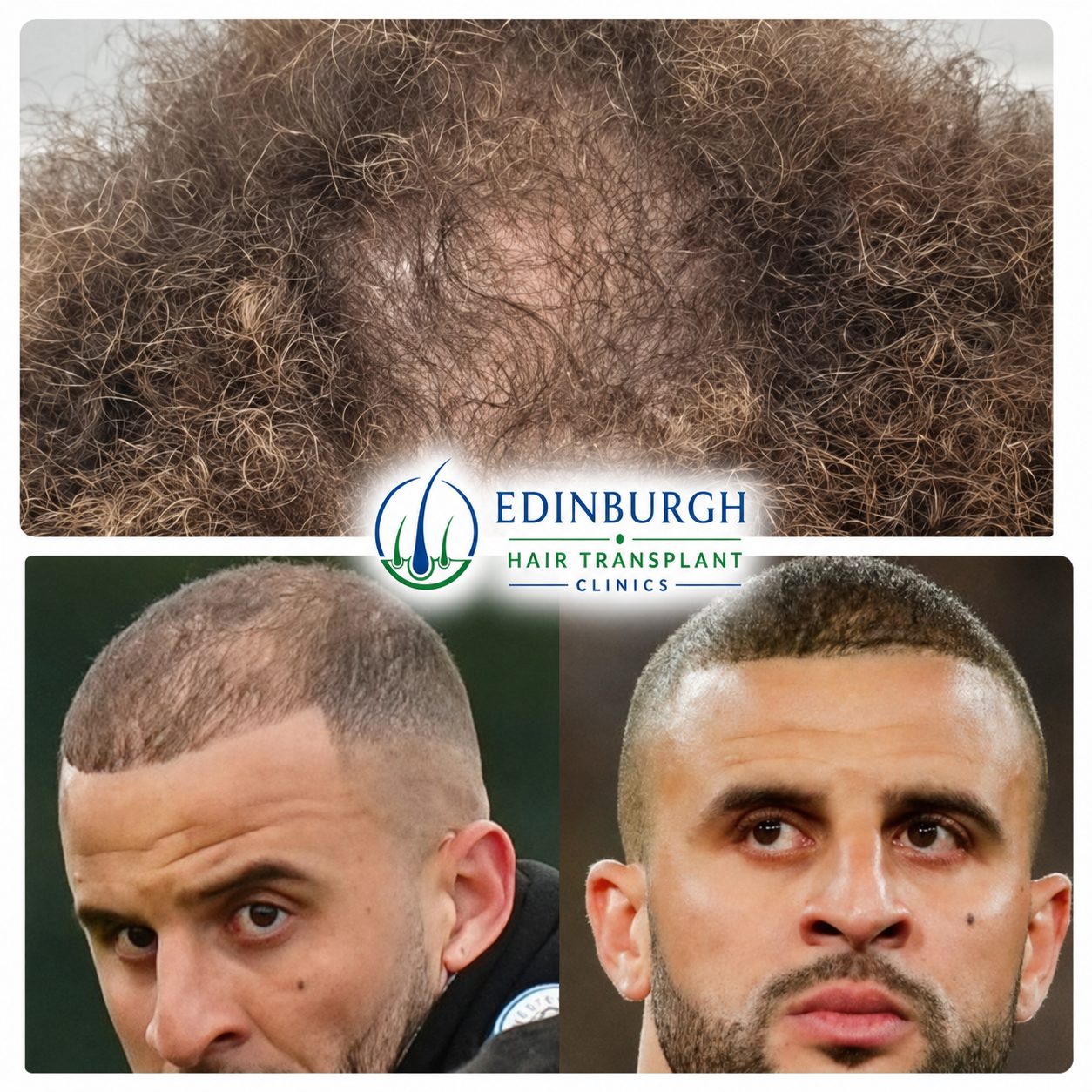
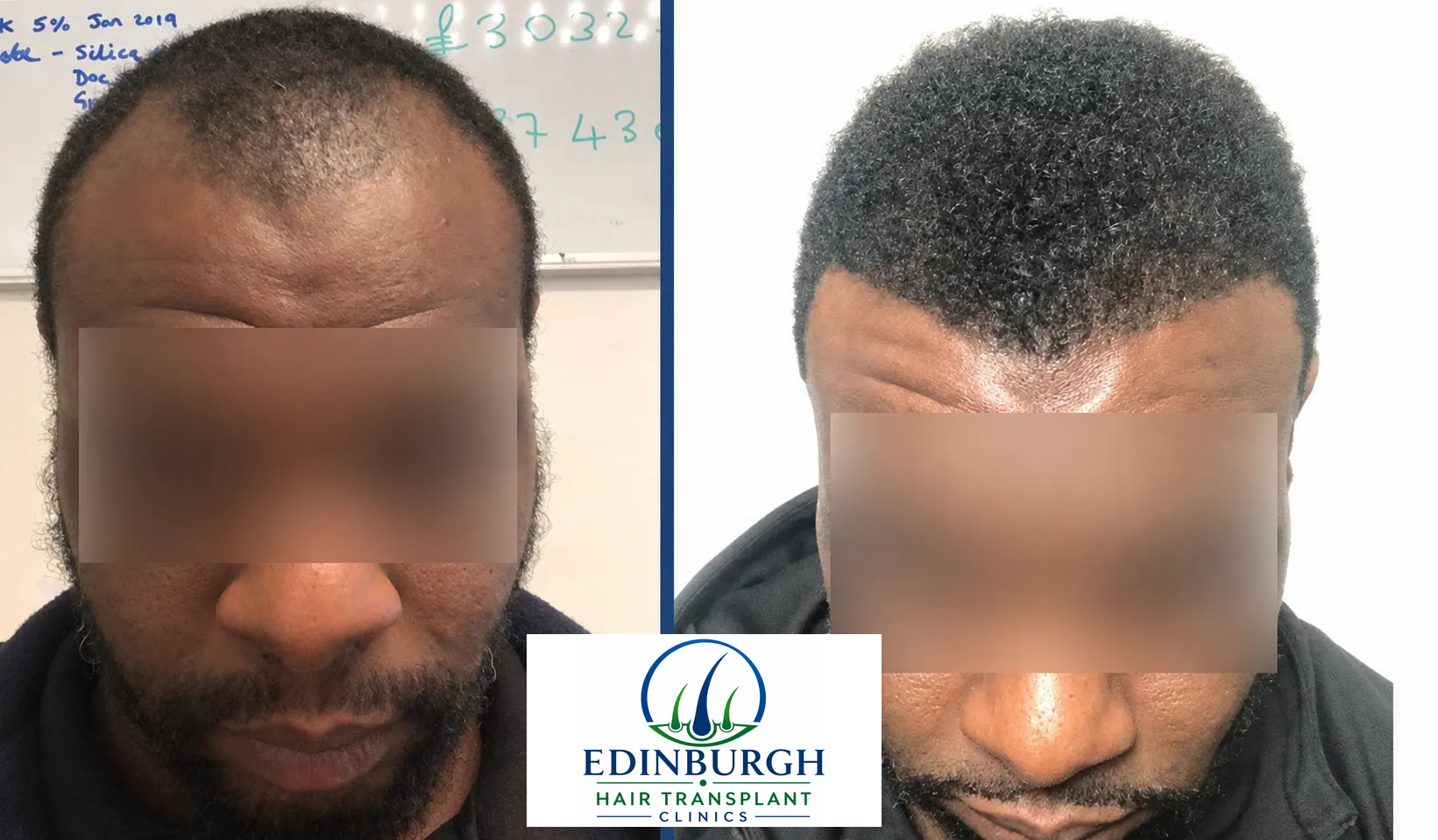
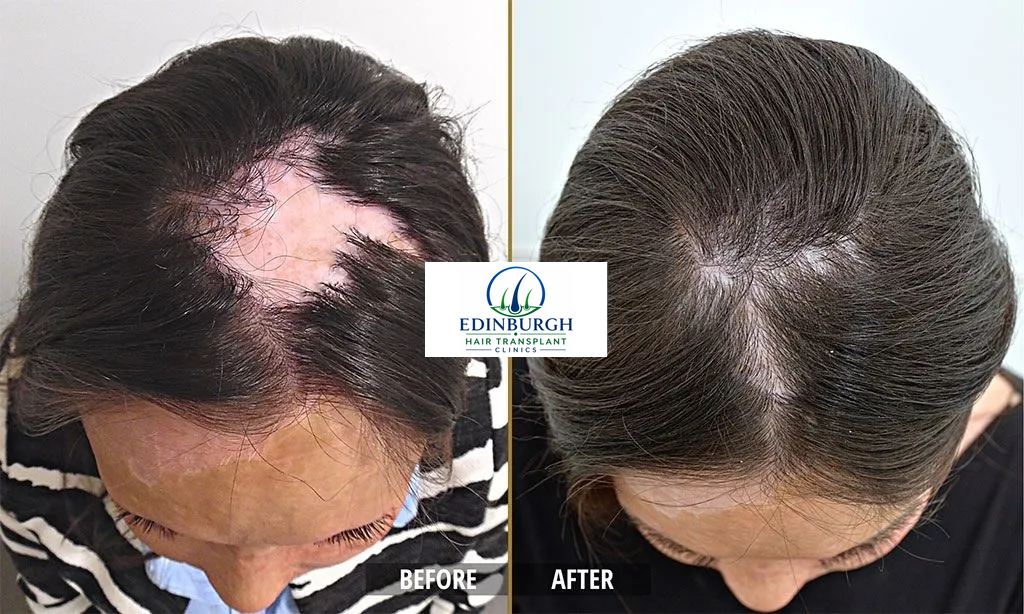
Hair Transplant Before & After Results
View a selection of patient results from different hair-restoration treatments.
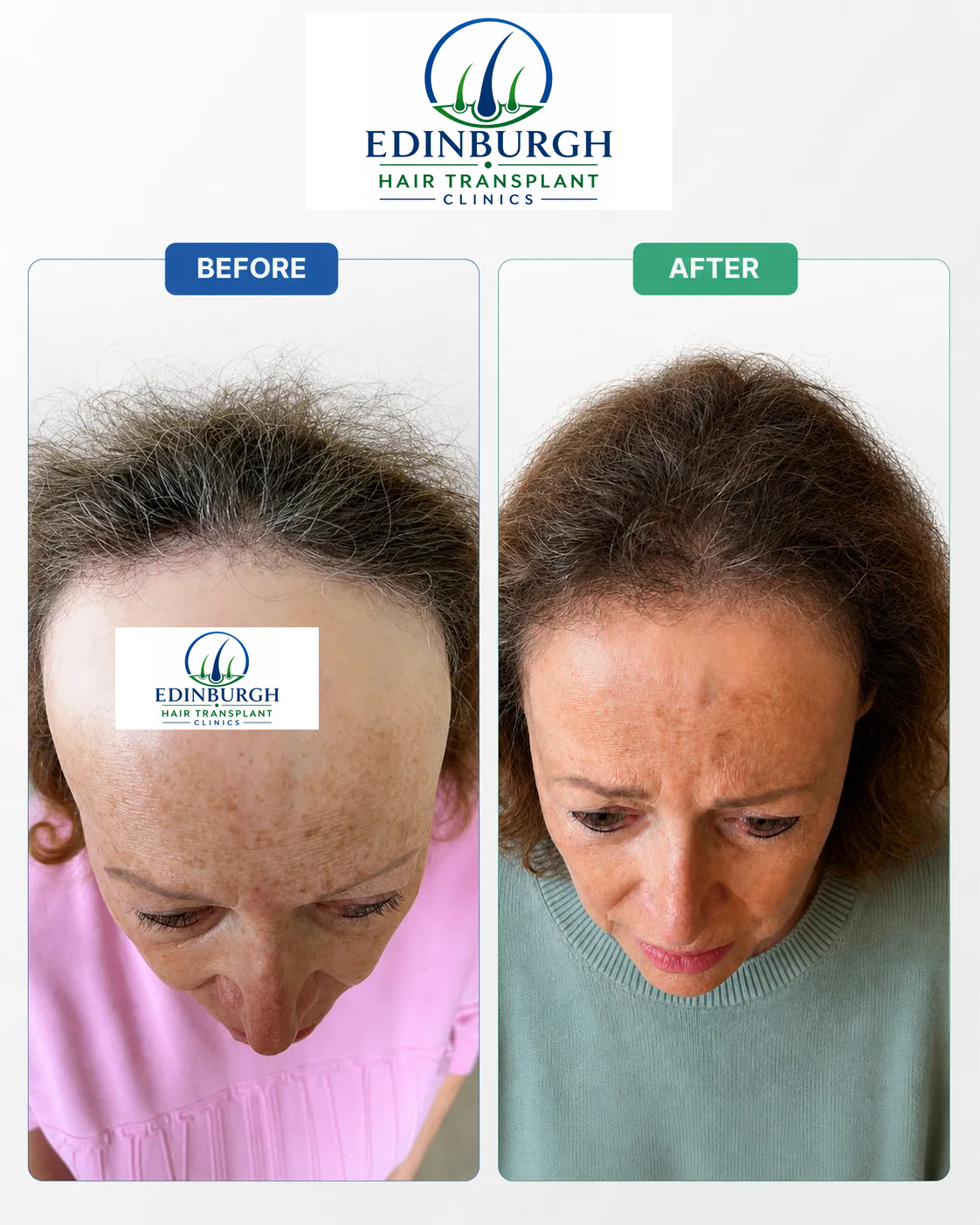
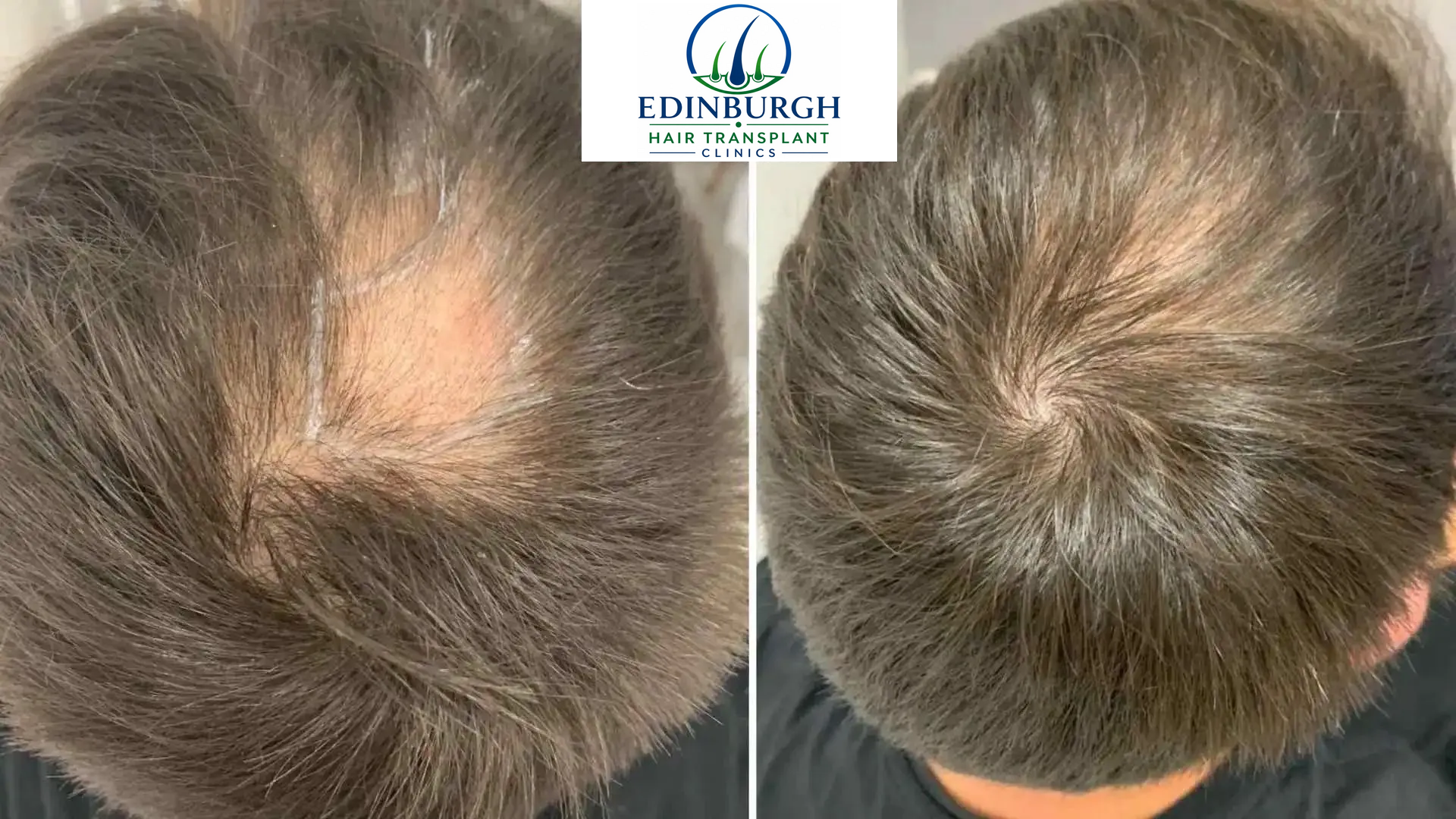
About Edinburgh Hair Transplant Clinics
Edinburgh Hair Transplant Clinics provides consultation-led hair restoration for patients considering surgical and non-surgical options for hair loss.
Before treatment is recommended, the pattern of hair loss, strength of the donor area, existing hair, medical history and longer-term treatment goals should all be considered.
Treatment planning may involve the hairline, temples, mid-scalp or crown depending on the patient's pattern of loss and available donor supply.
Patients can compare FUE, DHI and FUT hair transplantation before deciding which route may be appropriate.
Hair loss advice for men and women in Edinburgh
A receding hairline, a wider parting and increased shedding can need different assessments. Our guides to male pattern baldness and androgenetic alopecia, female hair loss and hair loss symptoms and thinning hair explain where to start. Wanting thicker-looking hair does not, by itself, mean a transplant is suitable.
When comparing the best hair transplant clinic for your needs, look at the surgeon, donor assessment, before and after photographs and follow-up arrangements. Confirm the address for your Edinburgh consultation and for any proposed surgery before arranging travel.
Use our Edinburgh hair transplant cost guide to compare graft prices and what is included. The hair transplant finance guide explains what to ask about payment terms and the total cost before deciding.
Hair transplant treatments in Edinburgh
- FUE Hair Transplant Edinburgh — Follicular Unit Extraction
- DHI Hair Transplant Edinburgh — Direct Hair Implantation
- FUT Hair Transplant Edinburgh — Follicular Unit Transplantation
- Hairline Transplant Edinburgh
- Crown Hair Transplant Edinburgh
- Beard Transplant Edinburgh
- Eyebrow Hair Transplant Edinburgh
- Gender-affirming Hair Transplant Edinburgh
- Hair Transplant Cost
- PRP Treatment
- Widow's Peak Hair Transplant Edinburgh
- Hair Transplant for Scars Edinburgh
- Women's Hair Transplant Edinburgh
- Afro Hair Transplant Edinburgh
- Temple Hair Transplant Edinburgh
The details change with the area being treated. A hairline must suit the face, crown grafts must follow the natural whorl, and eyebrow or beard grafts need their own direction and angle. The plan is built around the hair you already have and the donor hair available.
Professional footballer Kyle Walker attended a consultation with Harley Street Hair Transplants, part of our wider clinic group. Read the account of his consultation and FUE recommendation.
If you would like us to assess your hair loss, send an enquiry or call 0131 639 0004. If cost is part of your decision, read our Edinburgh price guide and no-deposit information before you book.
Book a Free ConsultationPatient Videos & Hair Transplant Experiences
Meet Dr Harpreet Kalra
Dr Harpreet Kalra is involved in consultation-led hair transplant planning, including donor-area assessment, hairline design, crown planning, graft-number discussion and medical-history review.
The aim of consultation is to establish suitability first and then consider the treatment route, donor supply, recovery and realistic longer-term expectations.
Dr Kalra is registered with the General Medical Council, GMC reference 7126076.

Where Can You Find Our Edinburgh Hair Transplant Clinic?
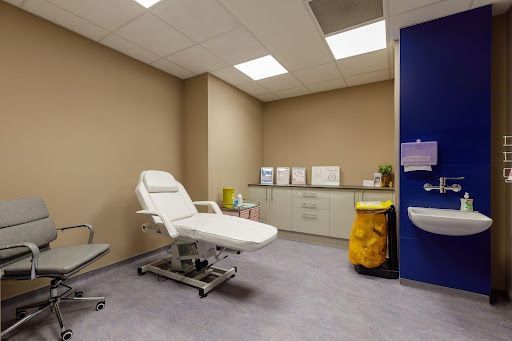
Consultation and clinic locations
Edinburgh consultations: 83 Princes St, Edinburgh, EH2 2ER.
Glasgow consultations: Tay House, 300 Bath Street, Glasgow, G2 4JR.
Clarkston clinic: 13 Eaglesham Rd, Clarkston, Glasgow, G76 7BU.
Surgical locations
Glasgow surgery: St. Ellen’s Daycase Hospital, 410 Sauchiehall St, Glasgow, G2 3JD.
Livingston surgery: St. Ellen’s Hospital Livingston, 2 Garbett Road, Livingston, EH54 7DL.
Confirm the address for your consultation, procedure and follow-up with the team before travelling.
An Experienced Hair Restoration Team
Treatment planning considers donor supply, existing density, hair characteristics, treatment area and the patient's longer-term pattern of hair loss.
Dr Harpreet Kalra is involved in consultation-led treatment planning and is registered with the General Medical Council, GMC reference 7126076.
Meet Dr KalraScottish Locations
Patients contact us from different parts of Scotland when researching hair transplant treatment, costs, recovery and consultation options.
View Our LocationsHair Transplant FAQs
How do I know if I am suitable for a hair transplant?
Suitability depends on your pattern and cause of hair loss, the quality and amount of available donor hair, your medical history and the likelihood of further thinning. These factors should be assessed before surgery or a graft number is recommended.
How many grafts will I need?
The number of grafts varies between patients and depends on the area being restored, existing density, desired coverage and available donor supply. You can read more about how donor hair is assessed in our hair transplant donor area guide.
What is the difference between FUE, DHI and FUT?
FUE and FUT describe how donor grafts are collected. DHI usually describes implantation with an implanter pen and may follow FUE collection in the same operation. The treatment plan should explain both stages and why they suit your donor area and goals.
How long does a hair transplant take to grow?
Transplanted hairs commonly go through an early healing and shedding stage before new growth develops gradually over the following months. Density and maturation continue to change with time. See our hair transplant timeline for the main recovery and growth stages.
How much does a hair transplant cost in Edinburgh?
FUE starts from £1,999 for 500 grafts. Our 2,500–3,000 graft package is £3,499 for either FUE or DHI, including complimentary PRP, 24-hour support, monthly doctor check-ups and all procedure medication, including antibiotics. Shampoo, saline spray and a travel neck pillow are included. The graft number and suitable technique are agreed after assessment.
Can existing hair continue to thin after a hair transplant?
Yes. A transplant moves selected follicles into areas requiring restoration, but existing non-transplanted hair can continue to thin. Where appropriate, patients may also discuss longer-term options such as hair-loss medication.
What should I expect during hair transplant recovery?
The early recovery period can include redness, crusting and temporary shedding before new transplanted hairs begin to grow. Our hair transplant aftercare guide explains how the scalp should be looked after following treatment.
Where is Edinburgh Hair Transplant Clinics?
Our Edinburgh consultation address is listed in the clinic locations section above. To arrange a consultation, use our contact page or call 0131 639 0004.