August 2, 2026
Hair transplant cost UK: what to expect in 2026
A UK hair transplant typically costs between £1,000 and £30,000, according to NHS guidance, though most patients paying for a standard FUE procedure pay between £3,000 and £10,000, depending on graft count and clinic. The widespread variation is not random: it reflects graft count, technique, surgeon credentials, and where the clinic sits geographically.
Quick examples by graft count:
- Lower graft counts for hairline work typically cost several thousands of pounds
- Moderate graft counts involving temples and front zones tend to have higher price points
- Larger graft counts covering crown plus front areas generally increase the total cost
A 2,000-graft FUE hair transplant costs roughly £5,000 at a reputable UK clinic. That is the most useful single figure to anchor your budgeting before a formal assessment.
Table of Contents
- How much does a hair transplant cost in the UK?
- What drives the price up or down?
- What should a quoted price actually include?
- Finance options and how to budget realistically
- Risks, side effects and what recovery actually looks like
- Is a hair transplant available on the NHS?
- UK vs Turkey: why prices differ and when it matters
- How to choose a UK clinic: what to look for and what to avoid
- Edinburgh Hair Transplant Clinics: what a consultation-led assessment looks like
- Key takeaways
- Why the consultation comes before the price
- Book a consultation with Edinburgh Hair Transplant Clinics
- Useful sources and further reading
How much does a hair transplant cost in the UK?
The three main techniques — FUE (Follicular Unit Extraction), FUT (Follicular Unit Transplant, also called the strip method), and DHI (Direct Hair Implantation) — each carry different price points, and graft count multiplies the difference considerably.
FUE is more labour-intensive than FUT because each follicle is extracted individually, which increases the cost compared to FUT. DHI, which uses a specialised implanter pen and requires a larger surgical team, typically costs more than FUT and can be at the higher end of the price spectrum.
FUE price by graft band
| Graft count | Typical area treated | Estimated FUE cost (UK) |
|---|---|---|
| 1,000–1,500 | Hairline restoration | £2,500–£4,000 |
| 2,000–2,500 | Temples and frontal zone | £4,000–£6,000 |
| 3,000–4,000 | Crown plus frontal zone | £6,000–£9,000 |
| 4,000+ | Extensive coverage | £8,000–£12,000+ |
Source: TreatCompare UK pricing analysis
Worked example: finance on a £5,000 procedure
A mid-range price procedure on a 24-month 0% finance plan will have monthly payments calculated accordingly. Finance over longer terms with interest will increase the total cost over the life of the plan.
Pro Tip: When comparing quotes, check whether the clinic prices per procedure or per graft. A per-graft quote of £3.50 sounds low, but 2,000 grafts at £3.50 each is £7,000. Always ask for a total procedure price in writing.
What drives the price up or down?
Graft count is the single biggest variable, but several other factors can shift a quote by thousands of pounds.
Primary cost drivers:
- Number of grafts required. More grafts mean longer theatre time and a larger surgical team.
- Technique. FUE and DHI are more time-intensive than FUT, which is reflected in the price.
- Surgeon experience and credentials. A GMC-registered surgeon with a specialist hair restoration background commands a higher fee, and rightly so.
- Clinic location. Clinics located in London and Harley Street generally charge a noticeable premium compared to those in the Midlands, North of England, and Scotland.
- CQC registration. Clinics registered with the Care Quality Commission operate under regulated standards, which adds overhead that feeds into pricing.
Secondary drivers that can push costs higher:
- Repair and revision cases. Correcting a previous poor result requires more planning, often more grafts, and specialist scar management.
- Hair characteristics. Curly, fine, or low-density donor hair is harder to work with and may require more sessions.
- Multiple sessions. Some patients need staged treatment over two or more visits.
- Add-on treatments. PRP (Platelet-Rich Plasma) therapy and IV sedation are charged separately at most clinics.
Higher standards cost more. A clinic with a GMC-registered surgeon and CQC registration carries genuine regulatory overhead, but that overhead is also what reduces your risk of complications and gives you a clear pathway if something goes wrong.
What should a quoted price actually include?
A transparent quote from a reputable UK clinic should cover the following without additional charge:
- The initial consultation and pre-operative assessment
- The procedure itself: surgeon time, theatre, nursing team
- Standard post-operative medication and dressings
- A defined period of aftercare appointments (typically 6–12 months)
- A written treatment plan with graft estimate and expected outcome
What it often does not include — and what you should ask about explicitly:
- Follow-up appointments beyond the included period
- PRP or scalp-conditioning treatments
- Additional graft sessions if the first does not achieve target density
- Travel and accommodation if you are attending from outside the city
- Revision surgery and its associated costs
Questions to ask before you commit
Before signing anything, get written answers to these:
- Is the surgeon who performs my procedure GMC-registered?
- Is this clinic CQC-registered?
- What is the total graft estimate, and how was it calculated?
- What is included in the quoted price, itemised?
- What is the aftercare protocol and for how long is it included?
- What is your revision policy if graft take is below expectations?
- Can I see before-and-after photos for cases similar to mine, with graft counts and dates?
Finance options and how to budget realistically
Most UK clinics offer in-house finance, and the options have become more varied. The most common structures are:
- 0% interest plans over 12–24 months, typically requiring a deposit
- Low-interest loans at 9–15% APR over 36–60 months
- Longer-term credit at higher APRs for patients who need to spread costs further
A mid-range procedure on a 24-month 0% finance plan results in monthly payments in the low hundreds of pounds. That figure assumes no arrangement fee; some clinics charge one, so confirm the total cost of credit in writing before you sign.
Budgeting beyond the procedure cost:
- Allow for aftercare products (specialist shampoos, sun protection) in the first three months
- Factor in potential revision sessions, particularly if you are in an early stage of hair loss and native hair may continue to thin
- Account for any time off work: most patients take 5–10 days, which may mean lost income
Pro Tip: Ask the clinic for a written repayment example that shows the total amount repayable, the APR, and any fees. Under the Consumer Credit Act, any UK finance offer must include this — if a clinic cannot produce it, that is a red flag.
How to compare finance offers properly:
- Compare total cost of credit, not just monthly payments
- Check for arrangement fees and early repayment penalties
- Ask what happens to the finance agreement if you need additional grafts later
Risks, side effects and what recovery actually looks like
A hair transplant is a surgical procedure, and recovery follows a predictable arc — though the timeline varies by technique and individual healing.
Recovery milestones:
- Days 0–7: Redness, swelling, and crusting around the recipient and donor sites. Most patients take this week off work. Sleeping upright is recommended to reduce swelling.
- Weeks 2–6: The transplanted hairs shed. This is normal and expected. The follicles remain in place; the visible hair falls out before regrowth begins.
- Months 3–6: New hair growth starts, initially fine and sometimes wavy. Density is low at this stage.
- 12+ months: Final results become visible. Most patients see their full outcome between 12 and 18 months post-procedure.
The month-by-month timeline at Edinburghhairtransplantclinics documents this progression in detail, which is useful for setting realistic expectations before you book.
Common risks and side effects:
- Infection at the donor or recipient site (rare in regulated facilities)
- Shock loss: temporary shedding of native hair near the transplant zone
- Scarring: FUE leaves multiple small dot scars; FUT leaves a single linear scar that requires specific aftercare and may need later revision
- Unsuccessful graft take, leading to patchy results and the need for a second session
- Numbness or altered sensation in the scalp, usually temporary
Complications add cost. A revision session, scar management treatment, or prolonged aftercare can add several thousand pounds to the total. Choosing a regulated clinic reduces the likelihood of needing them.
Is a hair transplant available on the NHS?
No. Hair transplants are classified as cosmetic surgery and are not routinely funded by the NHS. NHS guidance is explicit: the procedure is usually cosmetic, costs are typically paid privately, and the NHS does not provide it as a standard treatment.
The narrow exceptions involve reconstructive need rather than cosmetic preference:
- Significant hair loss following burns, trauma, or cancer treatment
- Cases where hair loss causes documented psychological harm meeting clinical thresholds
- Reconstructive work following scalp surgery
Even in these circumstances, NHS funding is rare and requires a clear clinical case made through a GP or specialist referral. The NHS does not fund male or female pattern baldness treatment under any routine pathway.
What this means in practice:
- Budget for the full private cost from the outset
- A GP referral is not required to book a private consultation
- Some private medical insurance policies exclude cosmetic procedures entirely; check your policy wording before assuming any cover applies
For the definitive eligibility position, the NHS hair transplant guidance page is the authoritative source.
UK vs Turkey: why prices differ and when it matters
Turkey has become the dominant destination for medical-tourism hair transplants, with prices that can appear dramatically lower than UK equivalents. Understanding why helps you assess the trade-off honestly.
Why Turkey is cheaper:
- Lower labour costs and clinic overheads
- High-volume clinic models that process many patients per day
- Bundled travel packages that absorb some of the cost perception
- Less regulatory overhead than the UK’s CQC and GMC framework
UK vs medical-tourism comparison
| Factor | UK clinic | Medical-tourism clinic |
|---|---|---|
| Regulatory framework | CQC-registered facility, GMC-registered surgeon | Varies; no equivalent UK regulatory requirement |
| Follow-up access | In-person UK aftercare included | Remote or limited; UK GP for complications |
| Revision logistics | Straightforward domestic return | Requires repeat international travel |
| Communication | Direct, in-language | Variable; translation layers common |
| Price range | £3,000–£10,000 (standard FUE procedures) | £1,000–£4,000 (procedure only, excluding travel) |
For a detailed breakdown of the trade-offs specific to the UK and Turkey decision, this guide covers the key considerations.
When going abroad is a reasonable option:
- You have thoroughly researched the specific clinic, not just the country
- The surgeon’s credentials are documented and verifiable
- A clear written aftercare and revision policy exists
- You have a UK-based GP or specialist who can manage complications
Red flags that make the lower price a false economy:
- No written aftercare plan provided before you travel
- Vague or unverifiable surgeon credentials
- No clear revision policy or pathway for complications
- High-pressure sales tactics or time-limited pricing offers
- No before-and-after gallery with dates and graft counts
The cost of correcting a poor result in the UK — revision surgery, scar management, additional grafts — frequently exceeds the original saving. That is not a theoretical risk; it is a documented pattern in UK cosmetic surgery revision cases.
How to choose a UK clinic: what to look for and what to avoid
The difference between a good outcome and a poor one often comes down to how carefully you evaluate a clinic before booking, not how much you spend.
Trust signals to look for:
- GMC-registered surgeon performing the procedure (not just supervising)
- CQC-registered facility
- Before-and-after photos with dates, graft counts, and realistic timescales
- Transparent written pricing and a detailed treatment plan
- Published aftercare protocol with a defined follow-up period
- Verified patient reviews on independent platforms
Essential questions to ask at consultation:
- Will the same GMC-registered surgeon perform the entire procedure?
- How many grafts do I need, and how was that estimate reached?
- What density can I realistically expect at 12 months?
- What is your revision policy if results fall short?
- What is the total price, and what does it include?
- Can I see cases similar to mine with comparable hair characteristics?
- What is the aftercare plan and who do I contact if I have concerns?
Red flags that should stop you booking:
- Guarantees of a specific number of grafts without a prior assessment
- Refusal to confirm surgeon GMC registration in writing
- No written aftercare plan or follow-up protocol
- High-pressure tactics to close a booking on the day of consultation
- Prices that seem implausibly low for the graft count quoted
A clinic that cannot answer questions 1–7 above clearly and in writing is not a clinic worth booking.
Edinburgh Hair Transplant Clinics: what a consultation-led assessment looks like
Edinburghhairtransplantclinics operates on a consultation-first model, which means no price is quoted until a proper assessment has been completed. That is not a sales tactic; it is the only way to give an accurate figure.
The assessment covers:
- Hair-loss pattern analysis: mapping the current extent of loss and projecting likely future progression
- Donor area evaluation: assessing the density, quality, and available yield of the donor zone
- Medical history review: identifying any conditions or medications that affect candidacy or technique choice
- Realistic goal-setting: discussing what is achievable given the donor supply and the patient’s expectations
- Documented treatment plan: a written plan including graft estimate, technique recommendation, and a clear price
The clinic’s surgeon profile details the credentials and experience behind each assessment. Trust signals patients should expect to see at any reputable clinic — GMC registration, CQC compliance, a before-and-after gallery with dated and documented cases — are all present at Edinburghhairtransplantclinics.
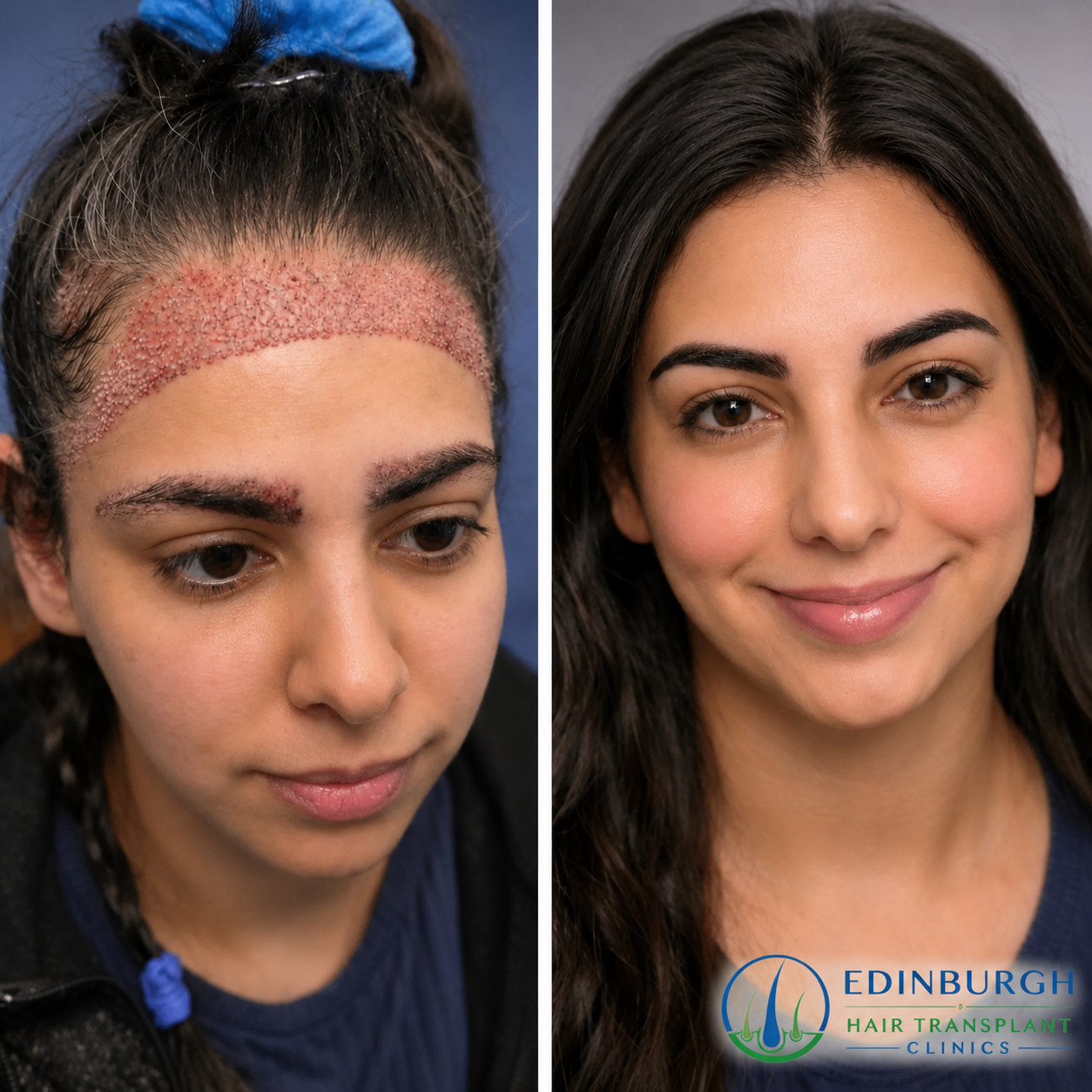
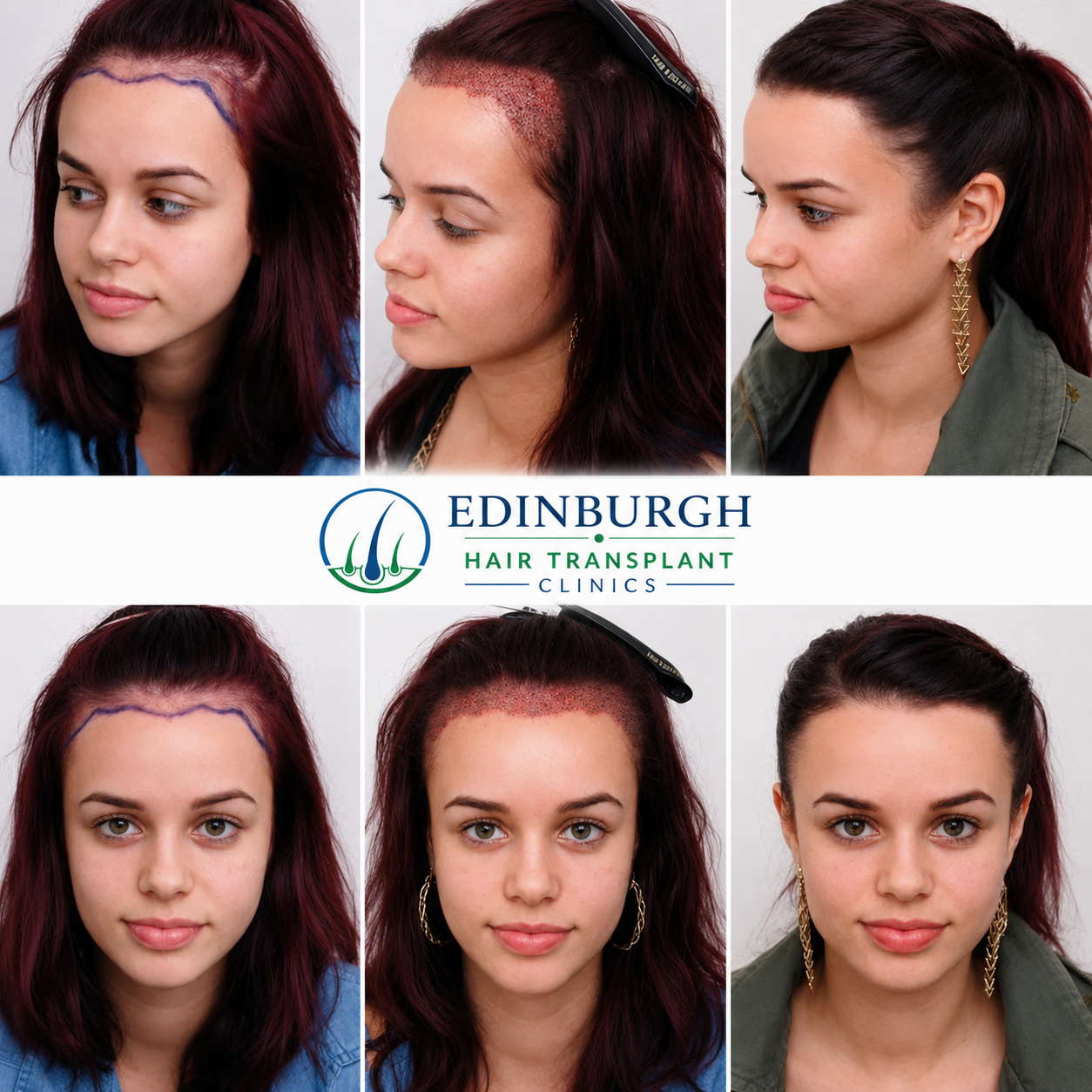
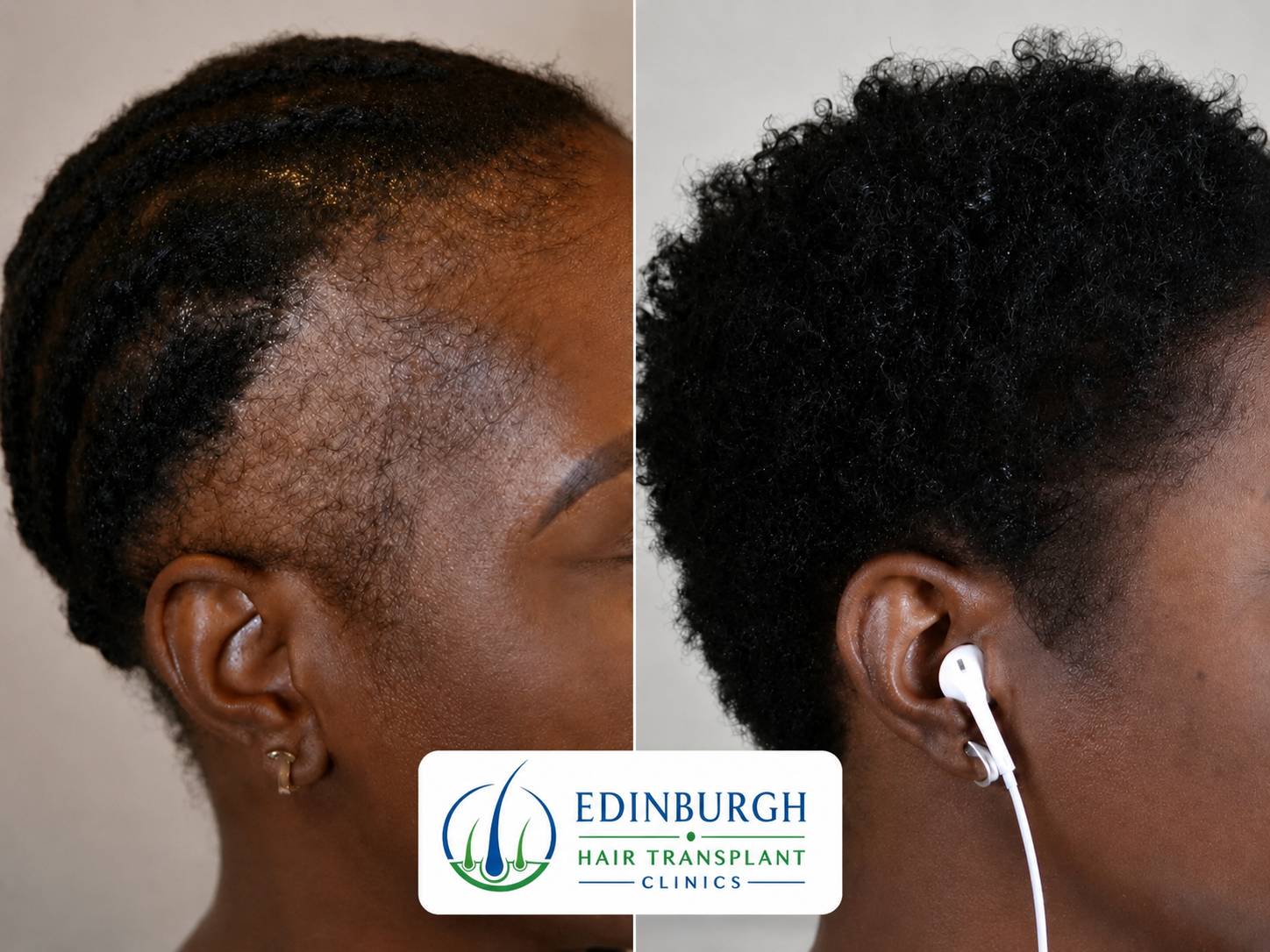
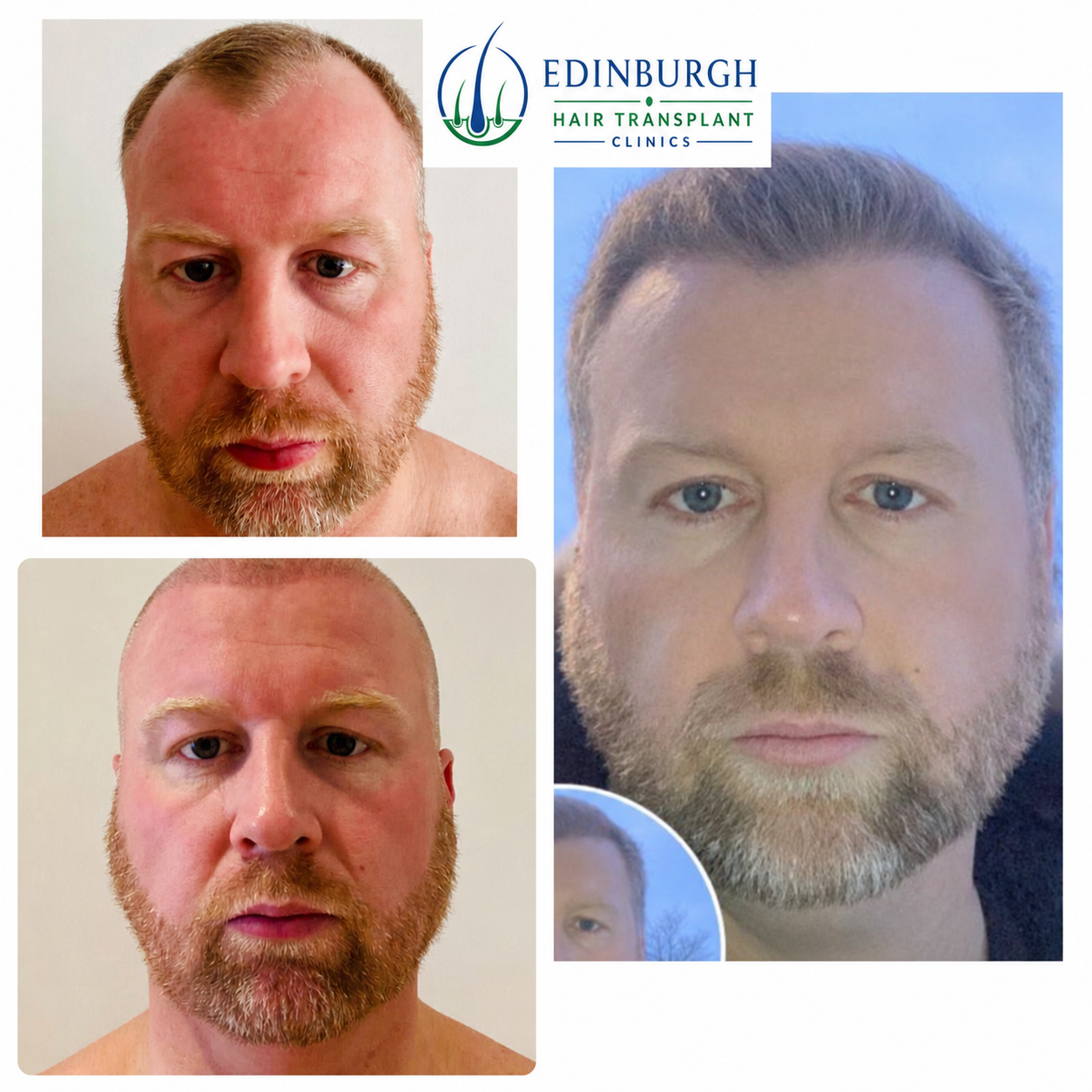
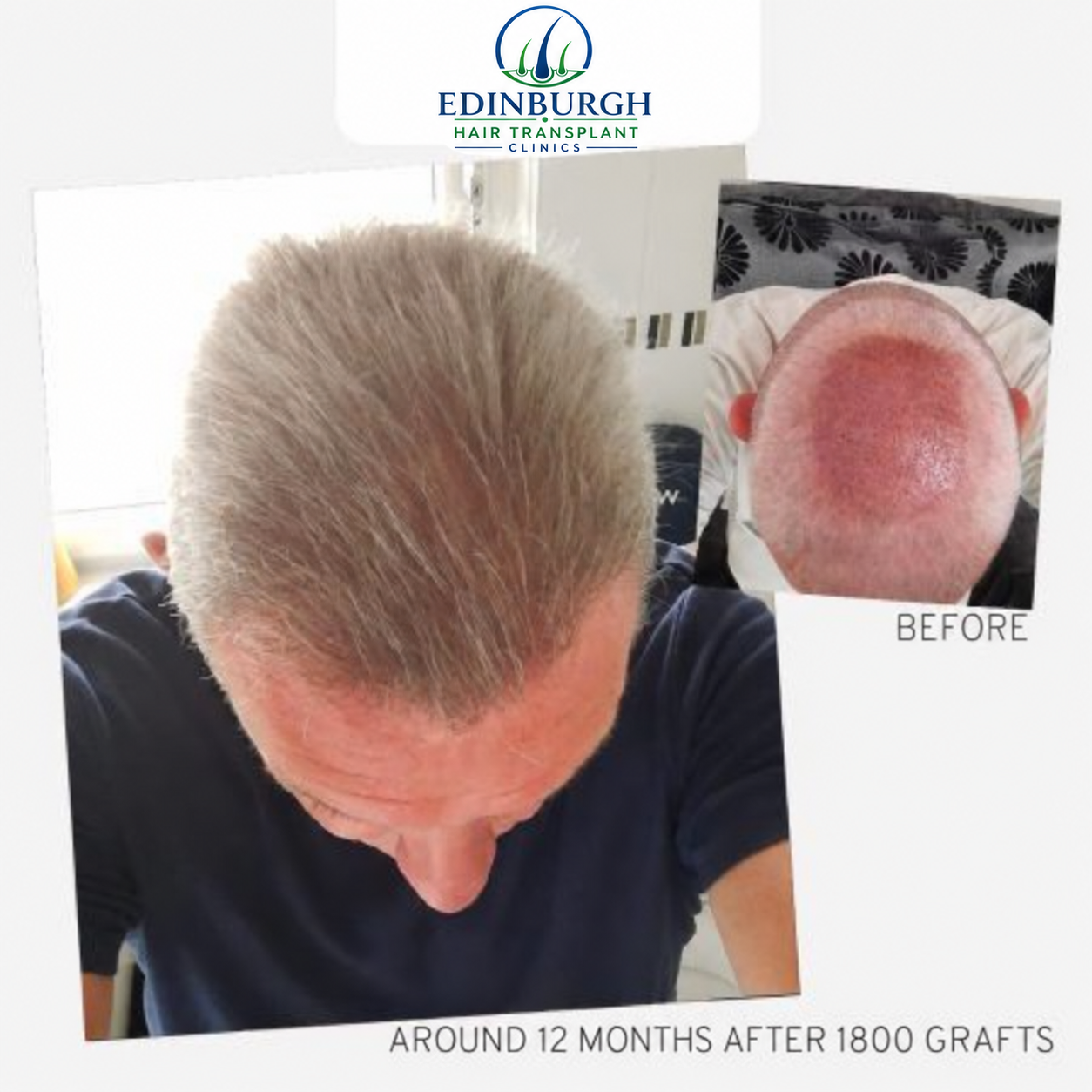
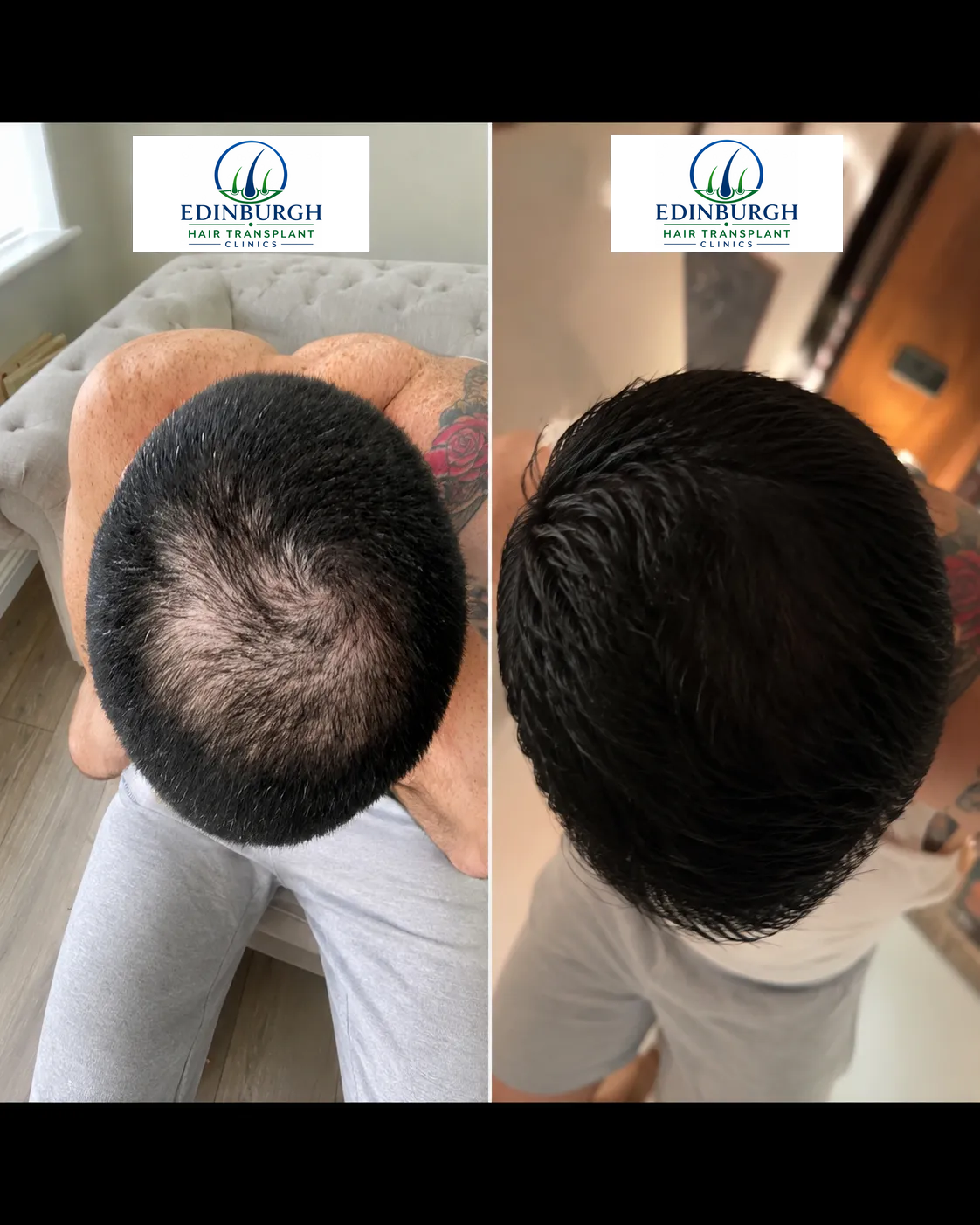
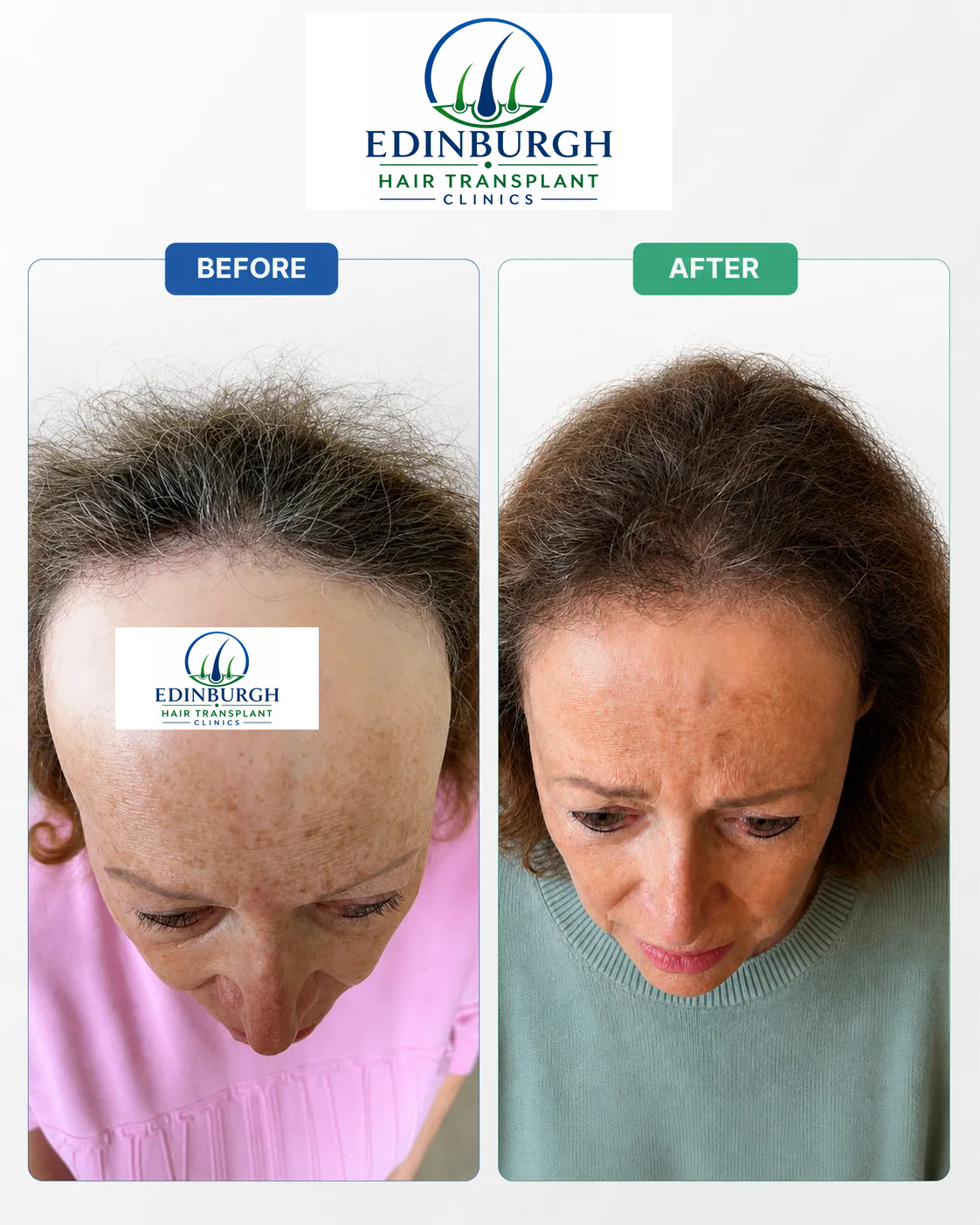
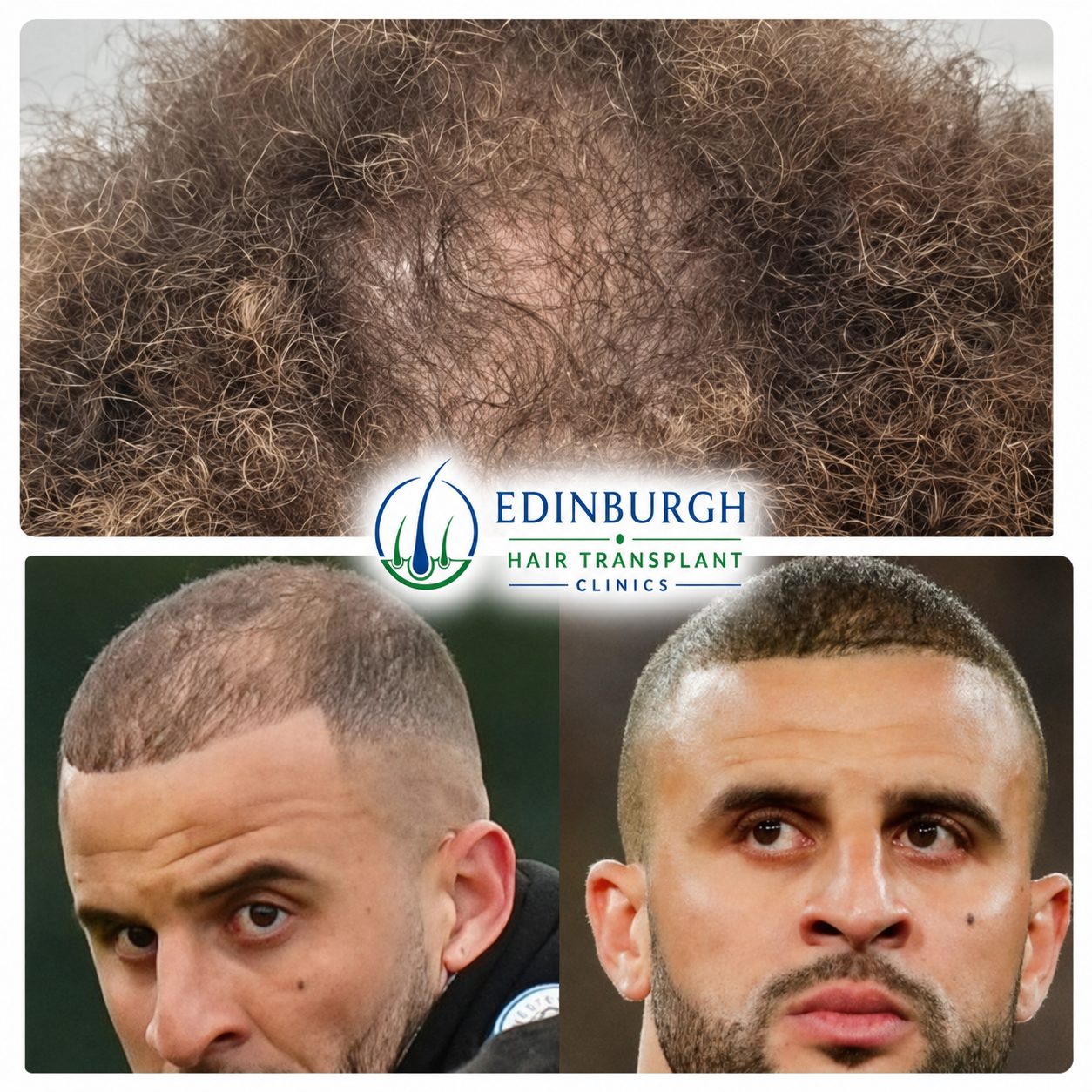
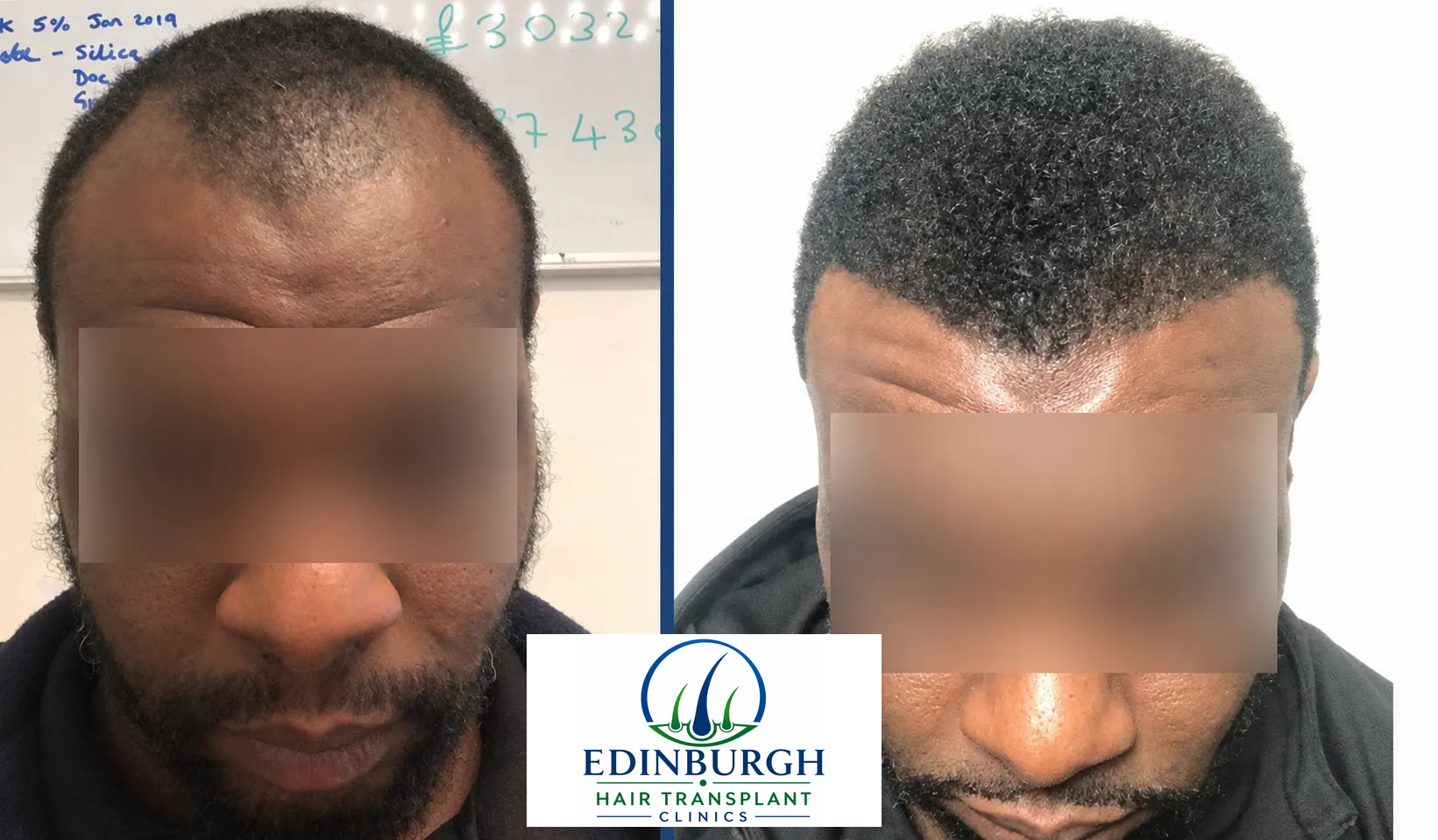
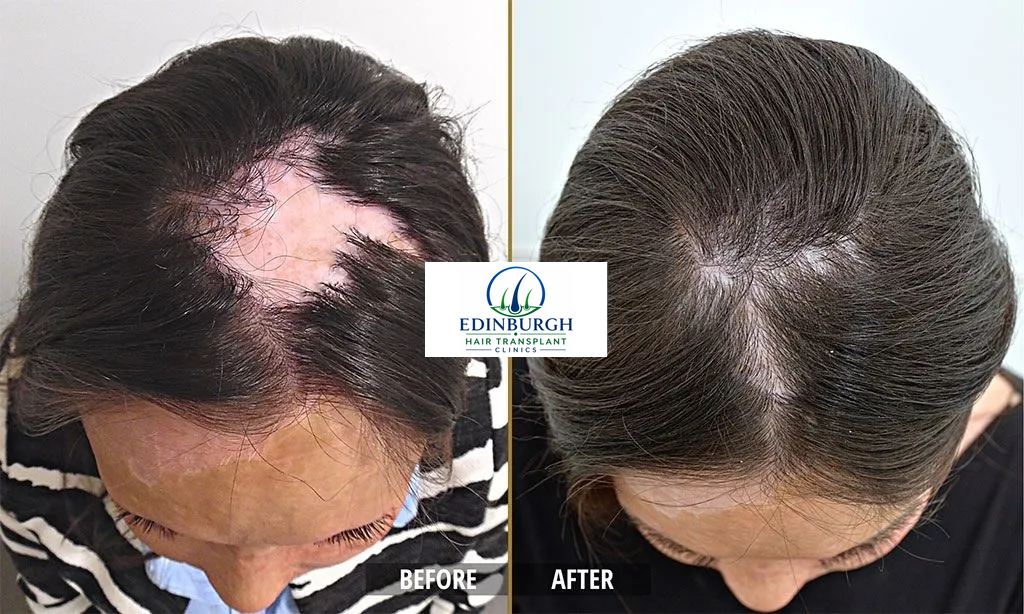
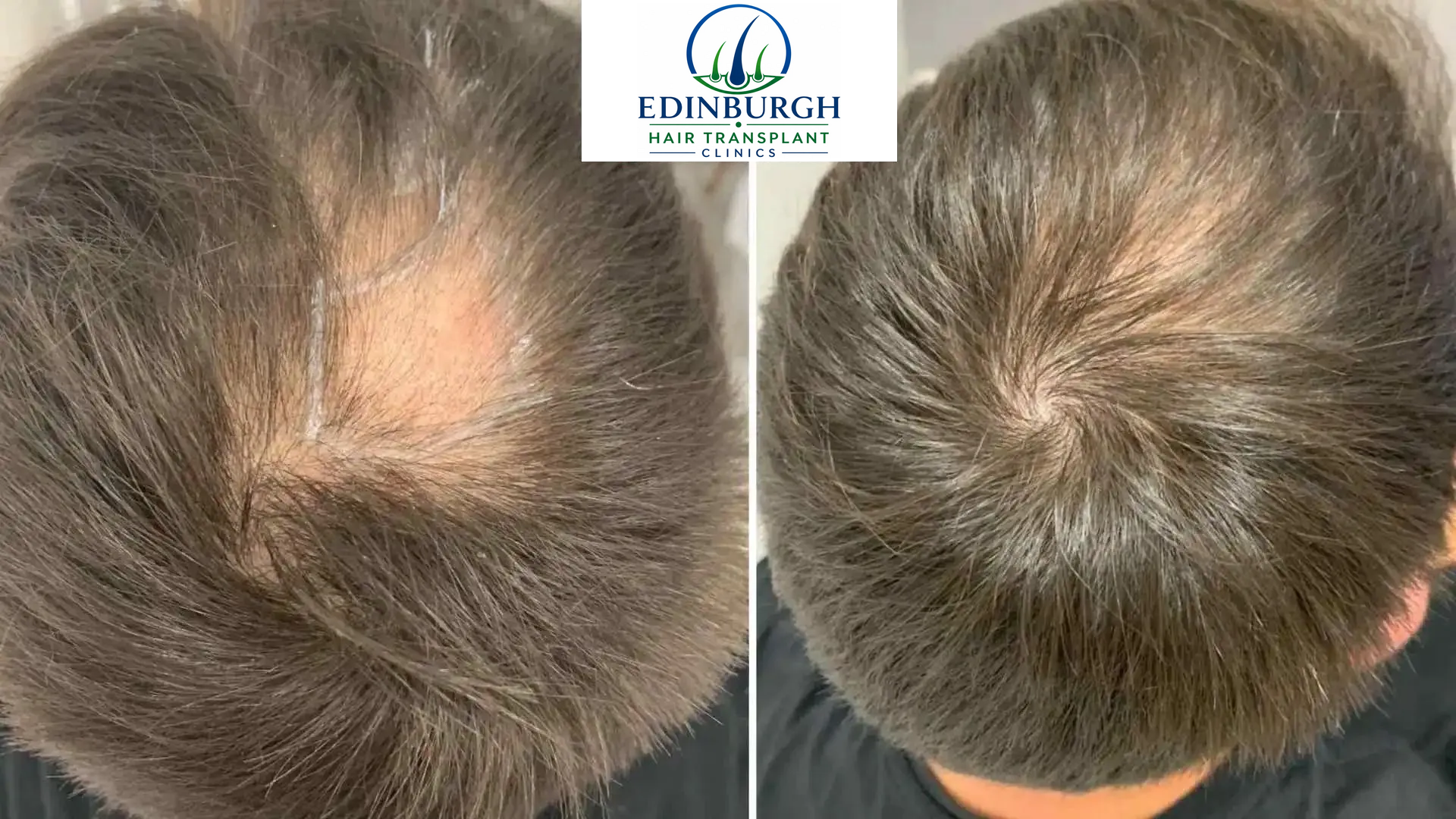
The before-and-after gallery shows real patient outcomes with dates and graft counts, which is the most honest way to demonstrate what the clinic actually delivers. Reviewing it before your consultation gives you a realistic benchmark for what to expect from your own result.
Once the assessment is complete, the treatment plan becomes the basis for the final price. There are no hidden extras added after the fact. Pre-operative checks, the procedure, standard aftercare, and follow-up appointments are confirmed in writing before any commitment is made.
Key takeaways
A UK hair transplant costs between £1,000 and £30,000, with most standard FUE procedures falling in the £3,000–£10,000 range depending on graft count, technique, and clinic standards.
| Point | Details |
|---|---|
| UK price range | Most FUE procedures cost £3,000–£10,000; a 2,000-graft session typically costs around £5,000. |
| Main cost drivers | Graft count, technique (FUE/FUT/DHI), surgeon credentials, and clinic location all affect the final quote. |
| NHS position | Hair transplants are classified as cosmetic surgery and are not routinely funded by the NHS. |
| Finance options | 0% plans over 12–24 months are widely available; a £5,000 procedure on 24-month 0% costs roughly £208 per month. |
| Edinburghhairtransplantclinics | Offers consultation-led assessment with a documented treatment plan and transparent pricing before any commitment. |
Why the consultation comes before the price
There is a version of this topic that gets written as a simple price list, and it is not very useful. The honest answer is that no one can tell you what your hair transplant will cost without looking at your donor area, mapping your loss pattern, and understanding where you are likely to be in five years. A quote without an assessment is a guess dressed up as a number.
What I find consistently underestimated is the lifetime planning dimension. Hair transplants use permanent follicles, but your native hair continues to thin. A good consultation does not just price today’s procedure; it maps out what you might need at 40, 50, and beyond, and it factors that into the graft strategy now. Spending slightly more on a well-planned first session often means avoiding a second one. The clinics that skip this conversation are the ones whose patients end up in revision consultations elsewhere.
The other thing worth saying plainly: the price gap between a regulated UK clinic and a high-volume overseas provider is real, but so is the gap in accountability. When a UK-based GMC-registered surgeon operates in a CQC-registered facility, there is a clear regulatory framework if something goes wrong. That framework has a cost, and it is worth paying.
Book a consultation with Edinburgh Hair Transplant Clinics
Getting a precise cost for your hair transplant starts with one thing: a proper assessment. Edinburghhairtransplantclinics provides consultation-led planning that covers your hair-loss pattern, donor area, medical history, and realistic long-term graft requirements, then turns that into a written treatment plan with a transparent price.
Before you book, the before-and-after gallery shows real patient outcomes with dates and graft counts, and the Edinburgh hair transplant guide covers techniques, recovery, and what to expect from the process. Both are worth reviewing so you arrive at consultation with the right questions.
To get a written cost estimate based on your specific situation, book your consultation with Edinburghhairtransplantclinics today.
Useful sources and further reading
The following sources were used in preparing this guide and are worth consulting directly:
- NHS: Hair transplant guidance — the authoritative UK position on NHS funding, cosmetic classification, and what the procedure involves
- Edinburghhairtransplantclinics: cost and price guide — clinic-specific starting prices and payment options
- Edinburghhairtransplantclinics: before-and-after gallery — dated patient outcomes with graft counts
- Edinburghhairtransplantclinics: month-by-month timeline — recovery milestones and what to expect at each stage
If you have questions about pricing or technique after reviewing these pages, bring screenshots or printed copies to your consultation. It is the fastest way to get a direct comparison against your own assessment findings.
This article provides general information about hair transplant costs and procedures in the UK. It is not a substitute for professional medical advice. Consult a qualified surgeon and verify current pricing and eligibility directly with your chosen clinic before making any treatment decision.
Recommended