Surgeon-performed vs technician-led FUE: who does your surgery?


Before booking an FUE hair transplant, ask who will make the donor incisions and the recipient sites. A surgeon appearing at the consultation does not explain who will carry out each stage on the day. Get the responsibilities confirmed before you commit.
For patients considering treatment in Edinburgh, the useful comparison is the actual division of work. Experienced technicians can play an important supporting role. The questions are whether each person is appropriately qualified for their task, how the procedure is supervised and who takes responsibility for your care.
Contents
What does surgeon-performed FUE mean?
The description should tell you what the surgeon personally does, rather than simply indicate that a doctor works at the clinic. Ask for the surgeon's name and a stage-by-stage explanation of the procedure. A phrase such as “doctor-led” is too broad to answer those questions on its own.
It is also reasonable to ask about the supporting team. Graft inspection, preparation and handling are skilled tasks. Having assistants involved is not itself a sign of poor care. Their involvement should be explained openly, with a clear distinction between supporting tasks and surgical incisions.
Our FUE hair transplant guide explains the treatment itself. When comparing providers, keep the proposed technique separate from the question of who will perform it: the name of a method does not identify the operator.
FUE and FUT: the surgical steps
FUE donor harvesting
During FUE, small circular incisions are made around selected follicular units in the donor region. The grafts are then removed and prepared for transplantation. Cutting around a graft and lifting a graft that has already been freed are different actions; asking only “who extracts the hair?” can leave that distinction unclear.
BAHRS highlights this terminology in its patient guidance. Ask specifically who operates the punch, who removes the freed grafts and how the donor area is assessed before harvesting starts.
FUT strip harvesting
With FUT, a strip of hair-bearing scalp is removed and the donor wound is closed with stitches. The strip is divided into grafts for transplantation. FUT leaves a linear scar; FUE leaves multiple small scars. Neither method is scar-free, and the scar pattern is only one part of choosing an appropriate procedure.
Recipient sites and implantation
The receiving area also needs surgical incisions. These may be made before graft placement, or an instrument may create an incision as a graft is inserted. The ISHRS distinguishes a blunt implanter used in an existing opening from a sharp implanter that makes an opening. Ask which approach is proposed and who will perform that step.
A device name, including a DHI implanter, should not replace an explanation of the treatment. Write down the names and roles of the people involved so there is no uncertainty when you arrive.
What do professional standards say?
The British Association of Hair Restoration Surgery states that, in the UK, GMC-registered doctors should make the skin incisions involved in hair transplantation, including the FUE donor incisions. Its published correspondence with the GMC also discusses appropriate delegation and the doctor's responsibility for overall patient management.
The ISHRS position statement treats donor incisions and recipient-site creation as surgery. It also acknowledges defined exceptions for appropriately licensed health professionals practising within their permitted scope and under medical supervision in some countries. That qualification should not be confused with permission for an unlicensed technician to perform surgery.
Professional guidance and local law are not interchangeable. Check the rules that apply where the operation will actually take place. A consultation office and the surgical premises may be in different places.
The GMC's guidance on cosmetic interventions emphasises appropriate competence, a proper discussion of benefits and risks, consent and time to consider the decision. These are practical matters to establish before a booking, not just statements to look for in marketing.
Donor management and graft handling
A transplant redistributes existing hair. The donor supply needs to be planned with future needs in mind, including the possibility of further thinning. The highest advertised graft number is therefore not automatically the most suitable plan.
Ask the surgeon to explain the proposed harvesting area, the distribution of removals and the amount of hair expected to remain. Discuss your usual haircut and any previous transplant. Donor appearance matters alongside coverage at the front or crown.
Hair angle, depth and transection
The direction of hair above the skin does not reveal every part of a follicle beneath it. Punch direction and depth matter during FUE. Transection means cutting or damaging a follicle during harvesting; it is one reason the quality of extraction matters as well as the graft count.
Ask how the team checks graft quality during surgery and what happens if harvesting is more difficult than expected. A quoted percentage needs context: how was it measured, what was counted and does it refer to comparable patients? A clinic's figure should not be treated as a promise about your own result.
Assess the whole plan
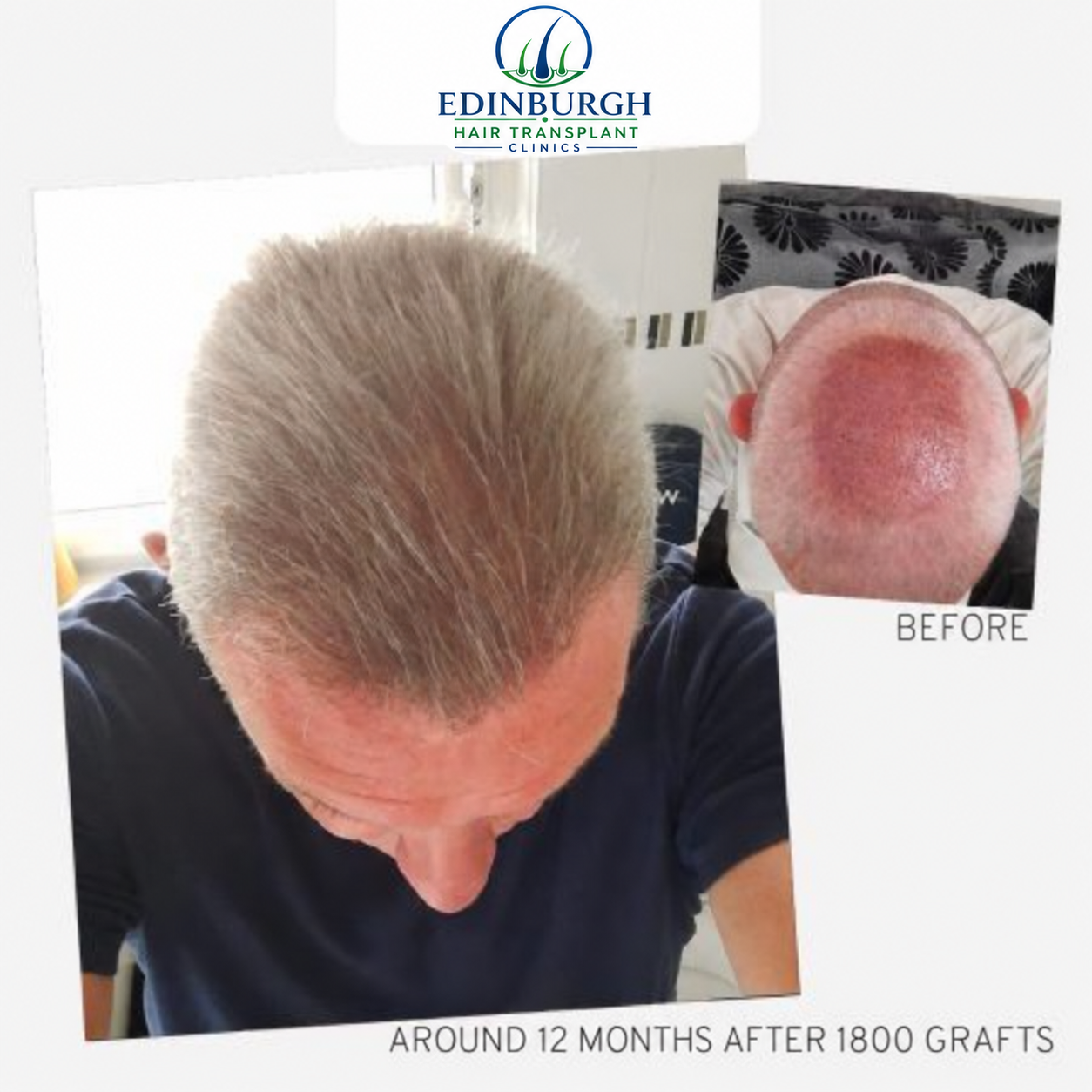
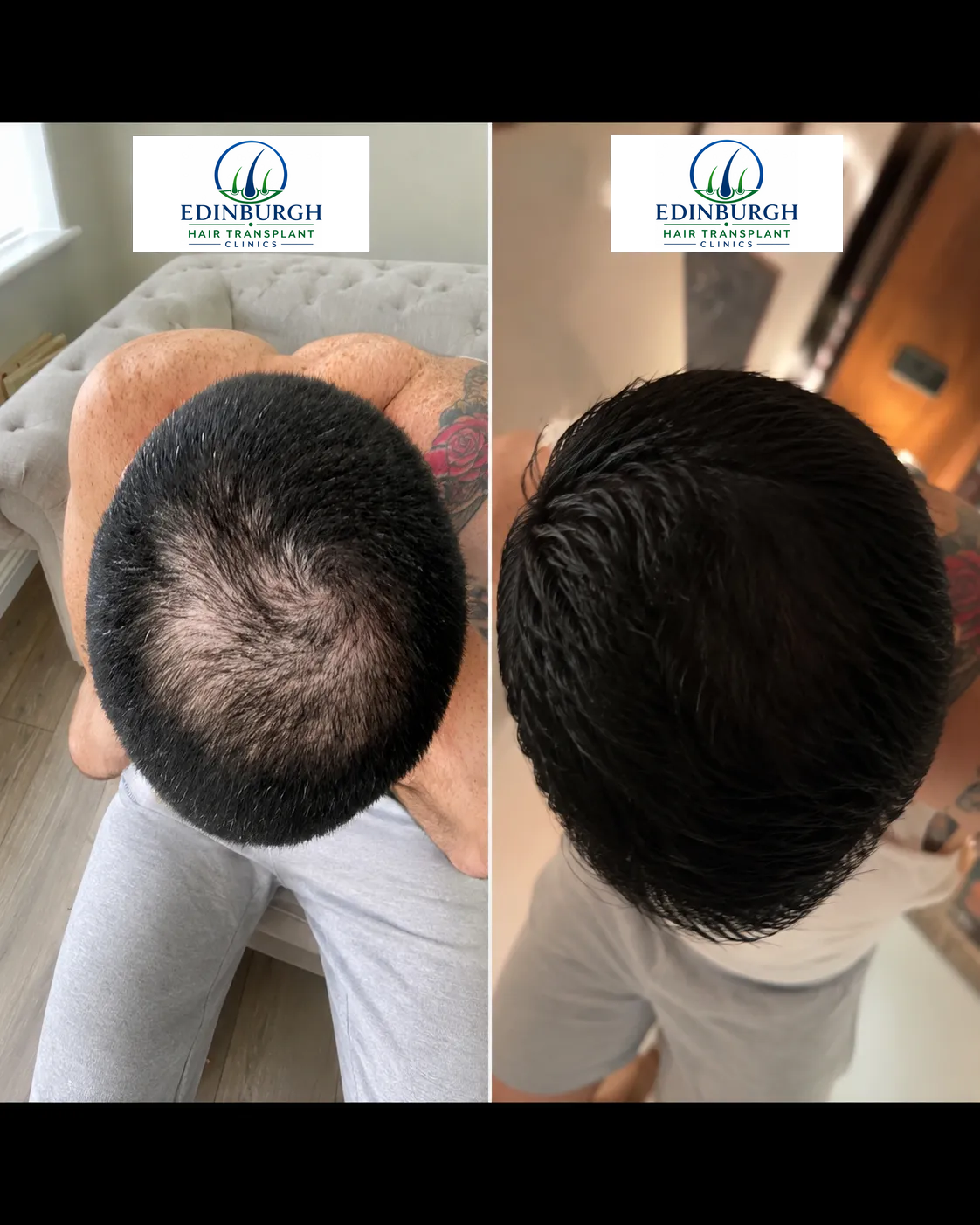
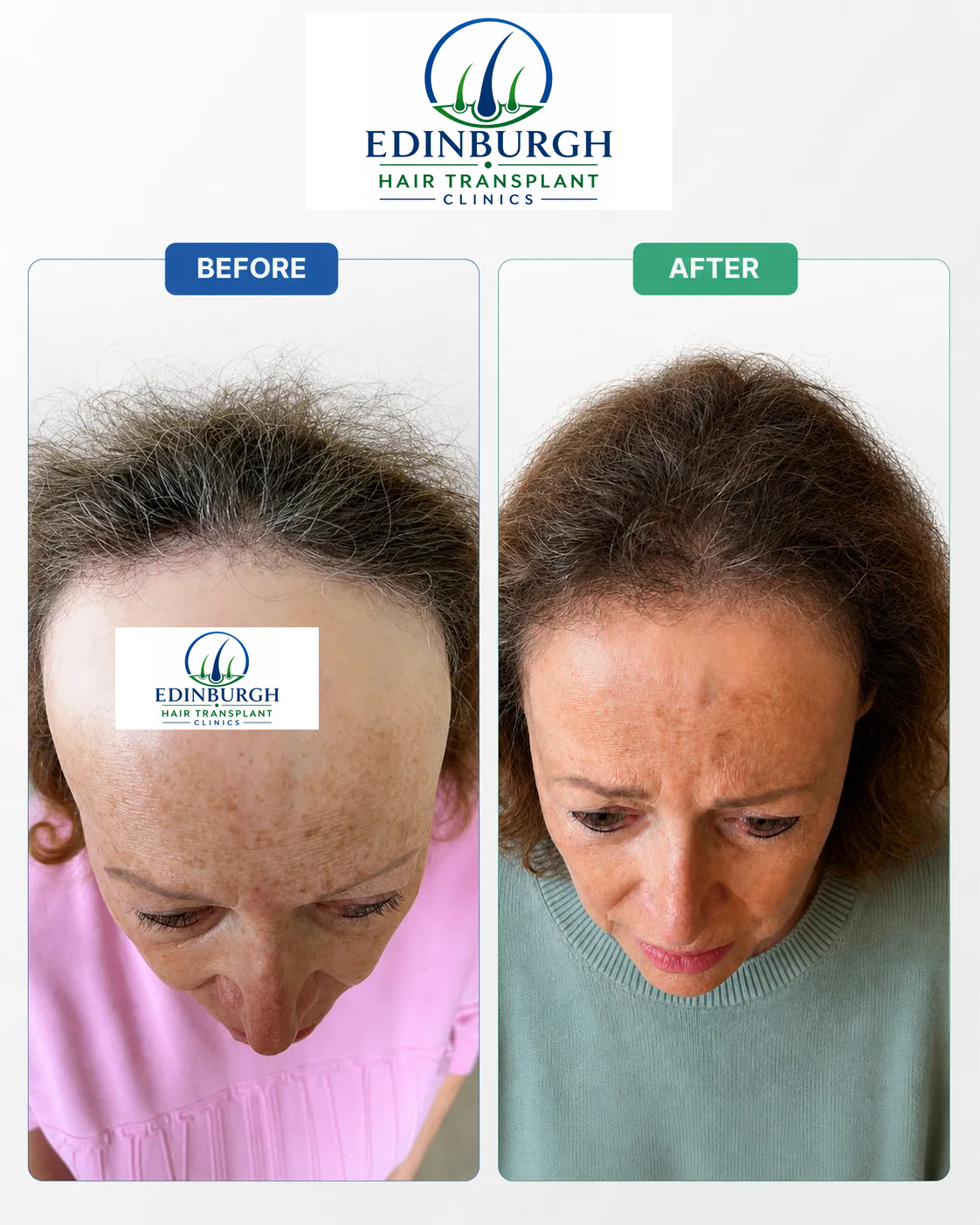
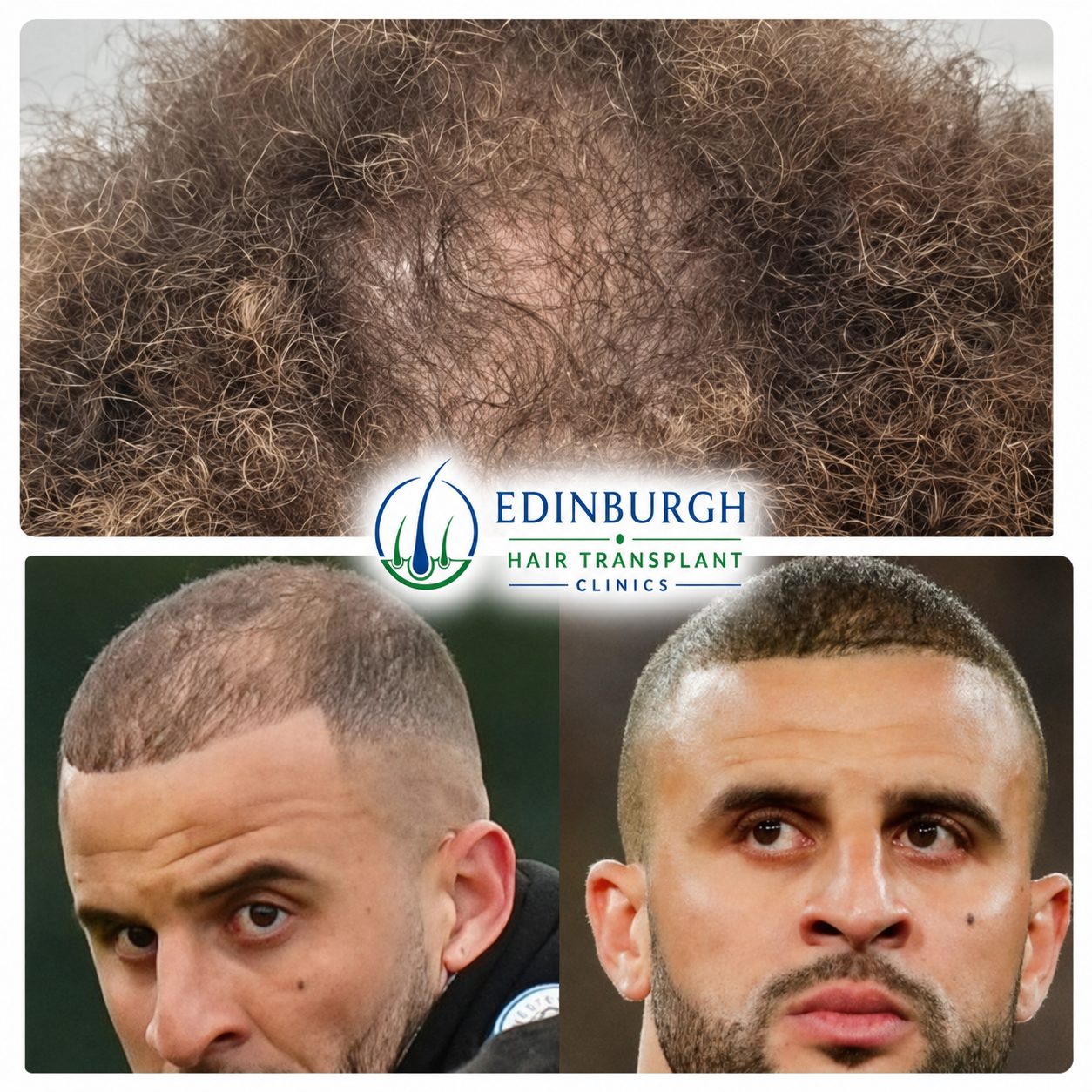
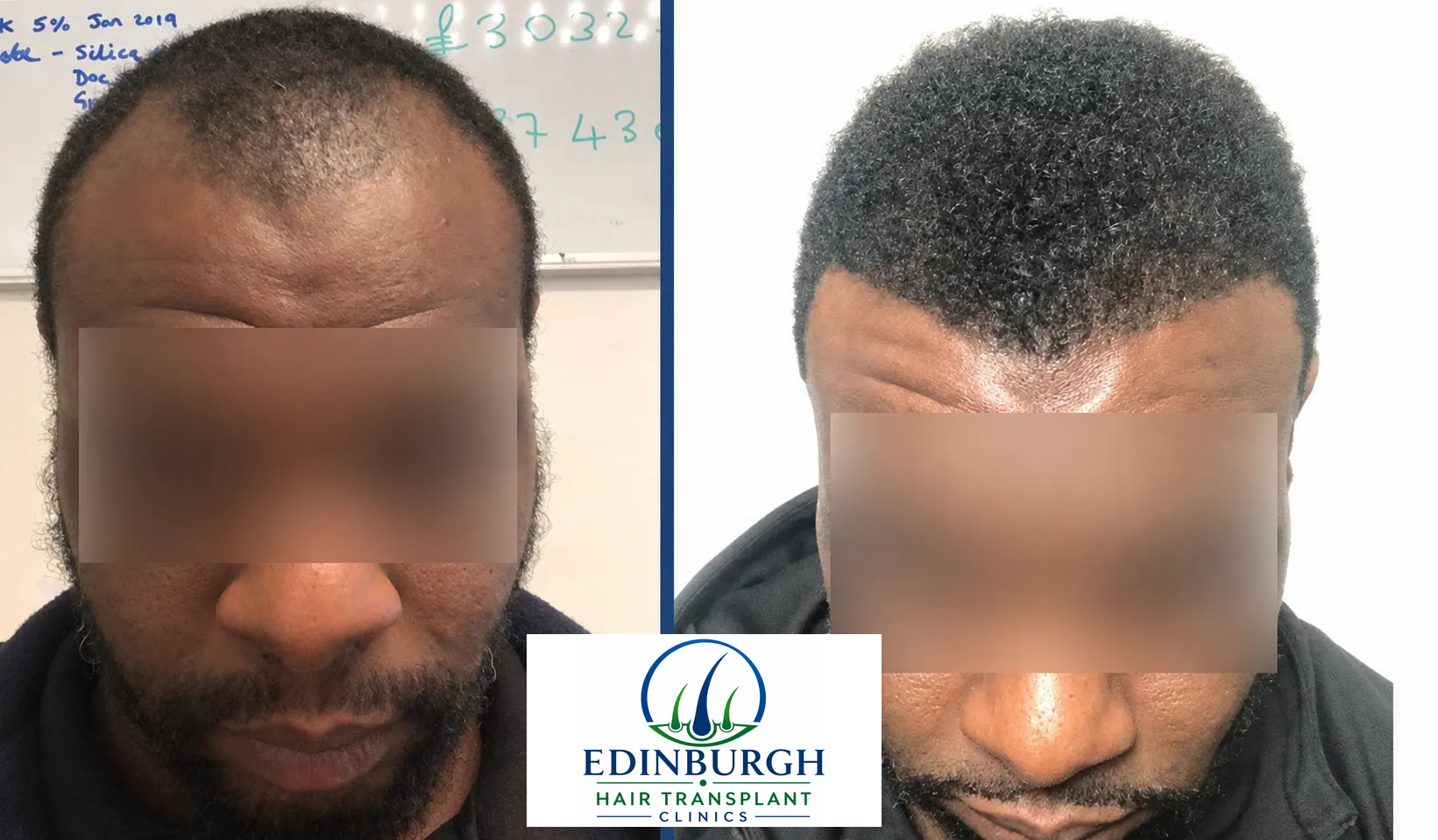
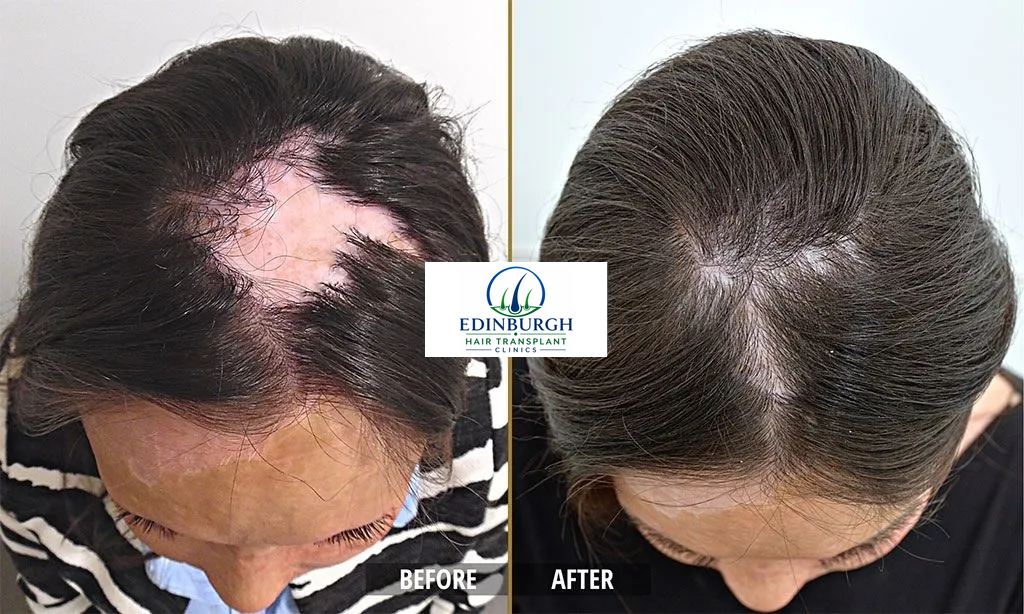
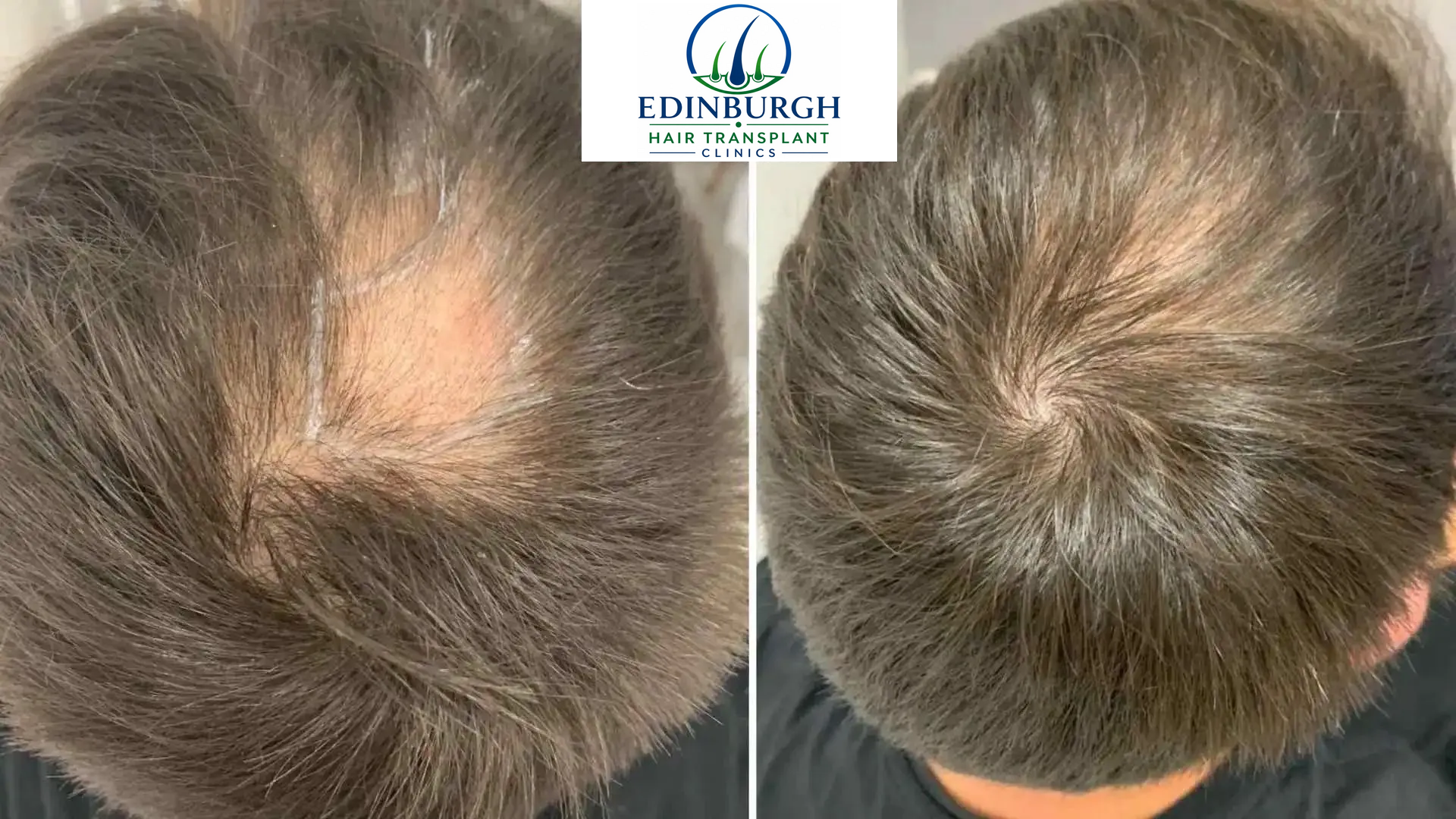
Photographs can help you discuss expectations, but ask to see the donor region as well as the transplanted area. Check when each photograph was taken, whether the lighting and hair length are comparable, and which surgeon performed the treatment. A photograph alone does not establish who carried out each surgical step.
Be cautious about drawing conclusions from price alone. A low fee does not prove who operates, and a higher fee does not prove good care. Compare the named team, the written plan, aftercare and the total price.
Questions to ask before booking
- Who is the named surgeon, and how can I check their registration and relevant experience?
- Who will assess my suitability and explain the alternatives to surgery?
- Who will make every donor incision with the FUE punch?
- Who will create the recipient sites, including any incisions made with an implanter?
- Which tasks will the technicians perform, and how will they be supervised?
- Who will administer the anaesthetic and manage an unexpected medical problem?
- How was the proposed graft number chosen, and how will the donor area be protected?
- Will my surgeon be working on another patient's procedure during mine?
- Where will surgery take place, and what follow-up and urgent contact arrangements are included?
Request written answers that describe your proposed procedure. If the staffing or treatment plan changes, ask for an explanation before agreeing to the change. Keep a copy of your consultation notes and quotation, and make sure the consent discussion matches what you have been told.
Planning your consultation in Edinburgh
Bring a list of medicines and supplements, details of previous hair treatment, and photographs showing the change you would like to discuss. Explain whether your priority is the hairline, the crown or more general coverage. Ask what can realistically be achieved with your available donor hair.
Before agreeing to treatment, read the Edinburgh hair transplant cost information and ask what your individual quotation includes. Confirm the consultation address, surgical location and follow-up arrangements directly with the team.
You can request a consultation with the Edinburgh team to discuss suitability and ask for a clear explanation of each person's role. You should leave knowing the proposed treatment, its limitations and what happens next.
Questions and answers
Does surgeon-performed FUE mean the surgeon works alone?
No. A surgeon may work with a trained supporting team. The important distinction is between appropriate assistance and someone without the necessary qualifications performing surgical steps.
Is graft removal the same as FUE punching?
No. The punch makes the incision around a follicular unit. Removing a graft that has already been freed is a separate step. Ask the clinic to explain both roles.
Does DHI change who should make the incisions?
An implanter's name does not remove the need for appropriate qualifications. Establish whether the device places grafts into existing sites or also makes skin incisions, and who uses it.
Can FUE leave scars?
Yes. FUE produces small donor scars. Visibility varies, and a promise of completely scar-free surgery is not a sound basis for choosing treatment.
Does a surgeon's involvement guarantee a successful result?
No. Surgery carries risks, and the result also depends on suitability, planning, technique, healing and ongoing hair loss. Ask about limitations and how problems would be managed.
What if the team on the day differs from what I was told?
Ask the clinic to clarify the change before treatment starts. You should have the information and time needed to decide whether you still want to proceed.
Further reading
These independent professional and patient resources explain the standards and terminology: