
Chrissy Teigen’s eyebrow transplant: why do the new hairs need trimming?
Why would an eyebrow transplant need a trim? The answer lies in the hair that was moved. Once the skin has healed, the strands from the scalp can keep growing even when the hairs beside them have stopped.

Featured surgeon
Dr Jyotsna Kumari
Dr Jyotsna Kumari

Contents
- What Chrissy Teigen actually shared
- Which hairs actually need a trim?
- What trimming can change
- What happens to a scalp hair once it reaches the brow?
- When does grooming become part of everyday life?
- How to read a before-and-after photograph
- The first weeks and the months that follow
- Questions and answers
What Chrissy Teigen actually shared
When Chrissy Teigen told followers about her eyebrow surgery in 2021, she identified the donor area herself. Hair from the back of her head had been moved into her brows. A few months on, that detail matters more than the outline in an early photograph. A strand of scalp hair can keep growing until its tip hangs beyond the arch.
The original Instagram Stories were posted in November 2021. Glamour’s contemporary report describes Teigen showing her new brows and speaking about the plucking she did when she was younger. Wimpole Clinic’s account of her transplant also follows the later photographs. Teigen did not disclose a graft count or a fee. Neither figure can be worked out by counting visible hairs in a picture.
Which hairs actually need a trim?
Imagine a healed brow with one hair extending towards the eyelid. First follow it with your eye to the point where it leaves the skin. It may come from a well-placed follicle higher in the arch. The extra length is what you see. Cutting every hair to the same length would shorten plenty of neighbouring strands that already sit neatly.
At a follow-up, ask your clinic to demonstrate on your own brow once grooming is appropriate. Watch what changes when the hairs are brushed in their usual direction. A strand that looked too long while brushed upright can sit neatly across the brow when it is allowed to fall. At your consultation, ask the surgeon to part the brow and show you where the longer hairs start.
What trimming can change
Length, curl and the angle at the skin are separate things. A short trim alters the outline made by the ends. If a strand emerges pointing forwards, shortening it will leave a shorter forward-pointing strand. A side view is particularly helpful when you are deciding whether a concern is about length or direction.
If a hair keeps catching the light after every trim, take a photograph before and after your usual grooming. Show both to your clinic. Ask whether they are seeing length, a difference in curl, or the way the hair leaves the skin. For someone considering surgery, these are useful questions to ask about the proposed donor hair while there is still a choice.
What happens to a scalp hair once it reaches the brow?
A useful question at follow-up is which hairs actually need cutting. A scalp hair in the brow can keep growing after the one beside it has reached its usual length. The British Association of Aesthetic Plastic Surgeons explains why donor hairs keep that growth pattern. Once your surgeon says it is safe to trim, ask them to point out a longer strand in the mirror and show you how much of the tip they would take off.
If a particular hair always looks untidy, show the surgeon where it starts and the direction it takes as it gets longer. Two equally long strands can behave quite differently when one curves towards the skin and the other away from it. A photo of the brow brushed into its usual shape will give the discussion a much better starting point than an isolated hair held upright.
When does grooming become part of everyday life?
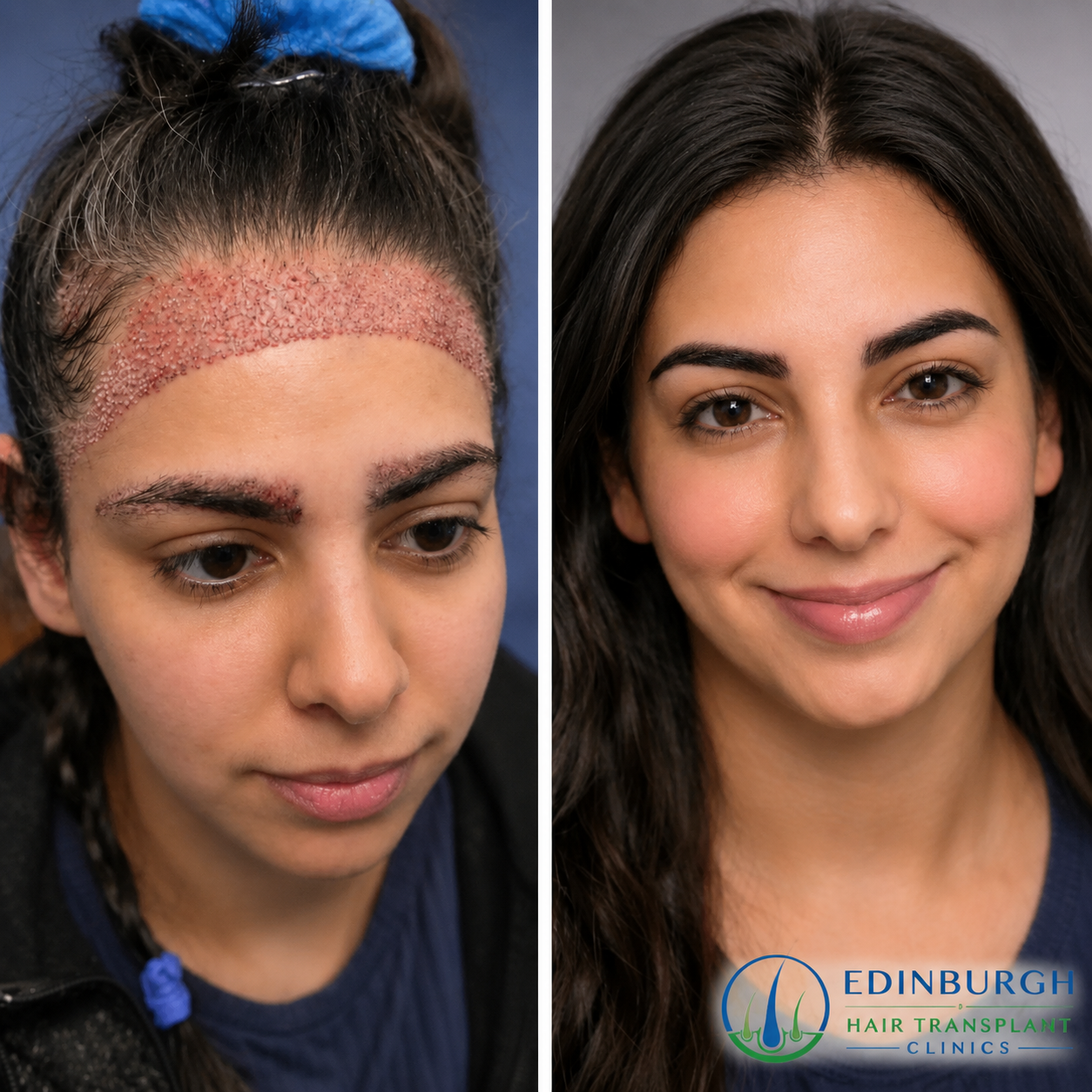
An early postoperative photograph is a poor guide to your future routine. The short hairs are close to the skin and a little crusting can outline the grafts. Later, the hair shafts may shed before new strands come through. A first sign of growth and a brow that is ready to be styled are two different milestones.
At your review, ask what to leave alone while the skin heals, how your clinic decides it is time to groom and whom to contact if the brow remains tender. Once the hairs are established, pay attention to how long it takes for their ends to cross the outline you like. That is a more practical guide to upkeep than another patient’s trimming calendar.
How to read a before-and-after photograph
Check when both pictures were taken. A new graft can be visible on the day it was placed, long before you can judge the length, curl or direction of the hair that will grow. Look at both brows in the same light and ask whether make-up, gel or trimming contributed to the change you see. Even a slight lift of the forehead changes where the arch sits.
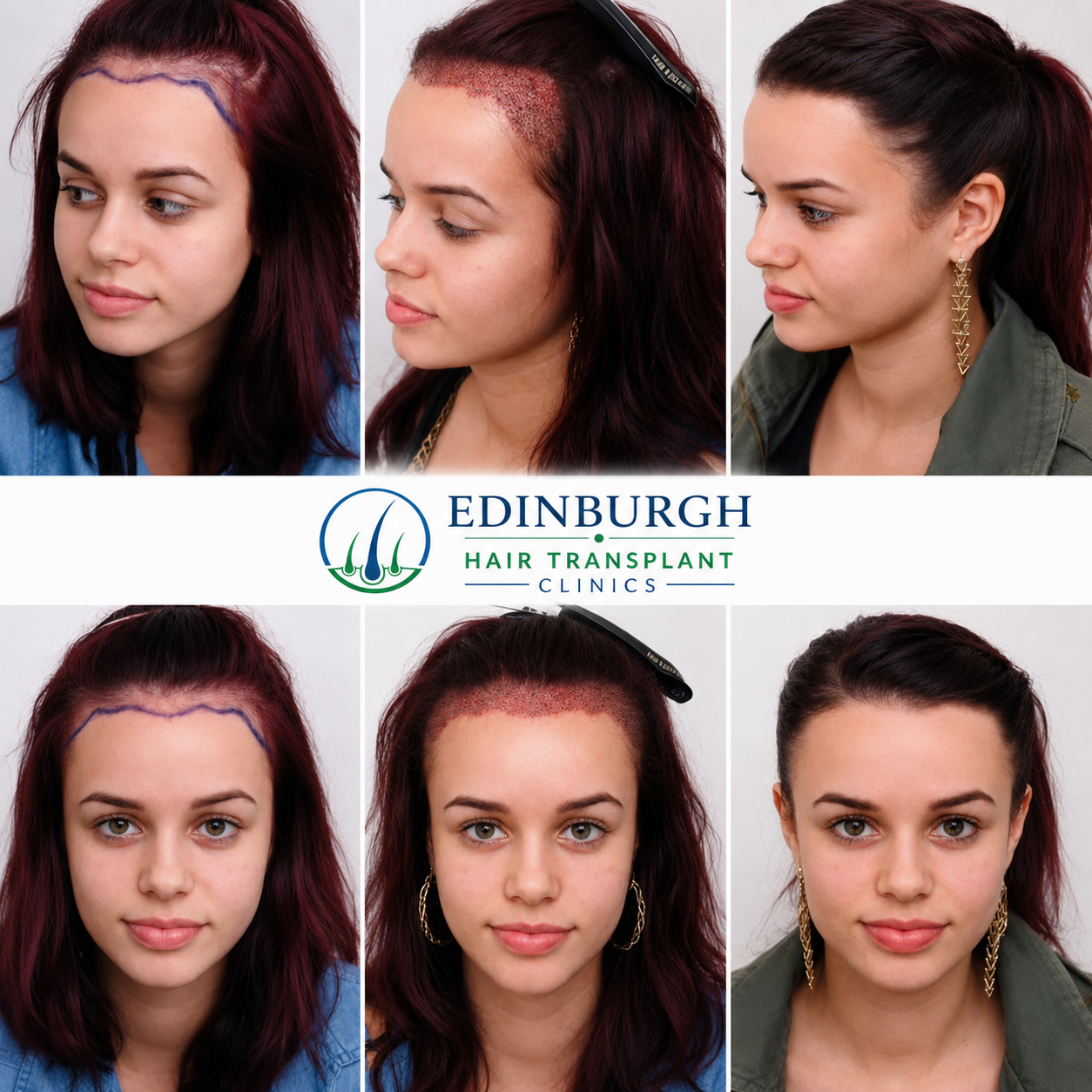
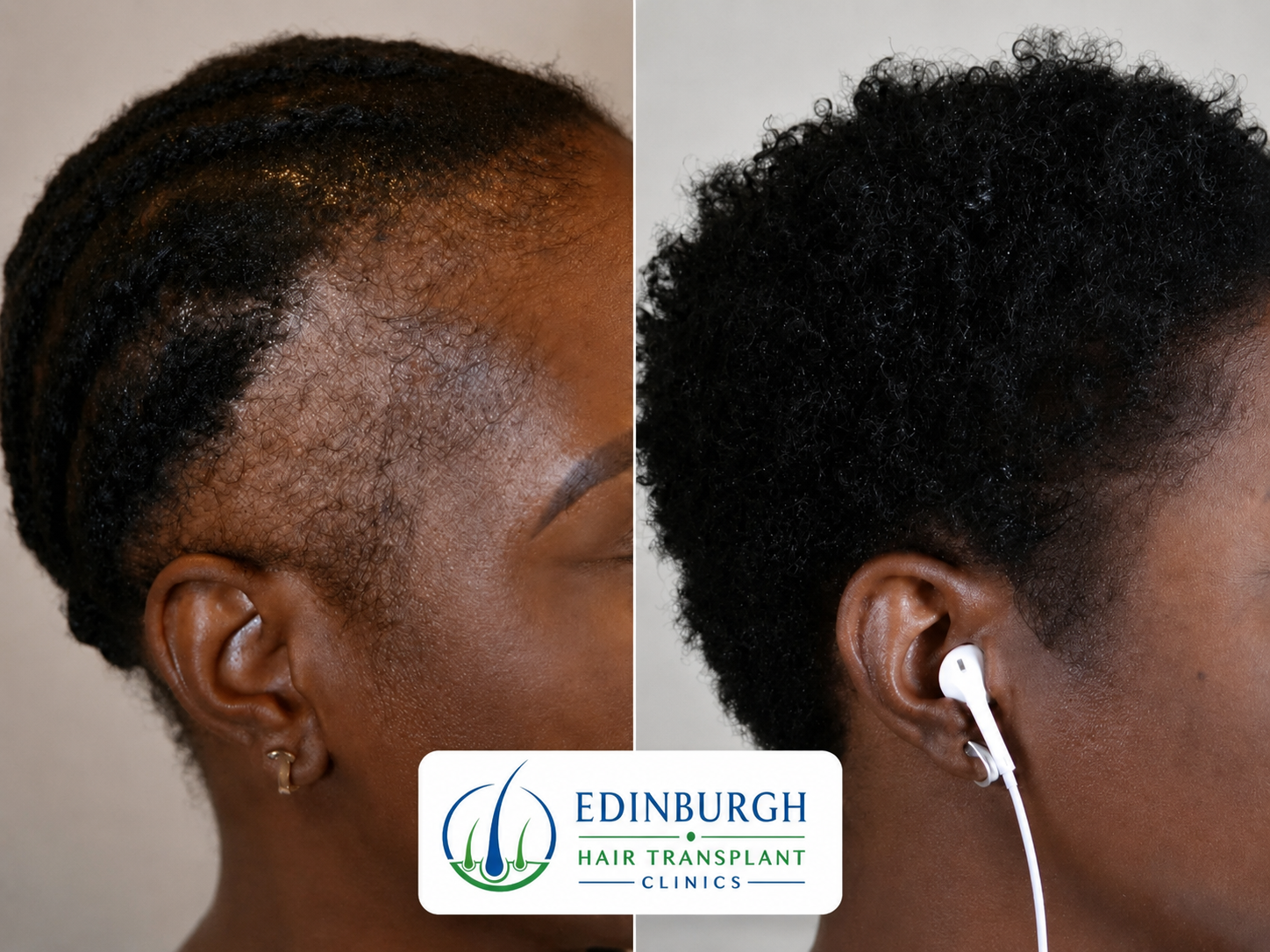
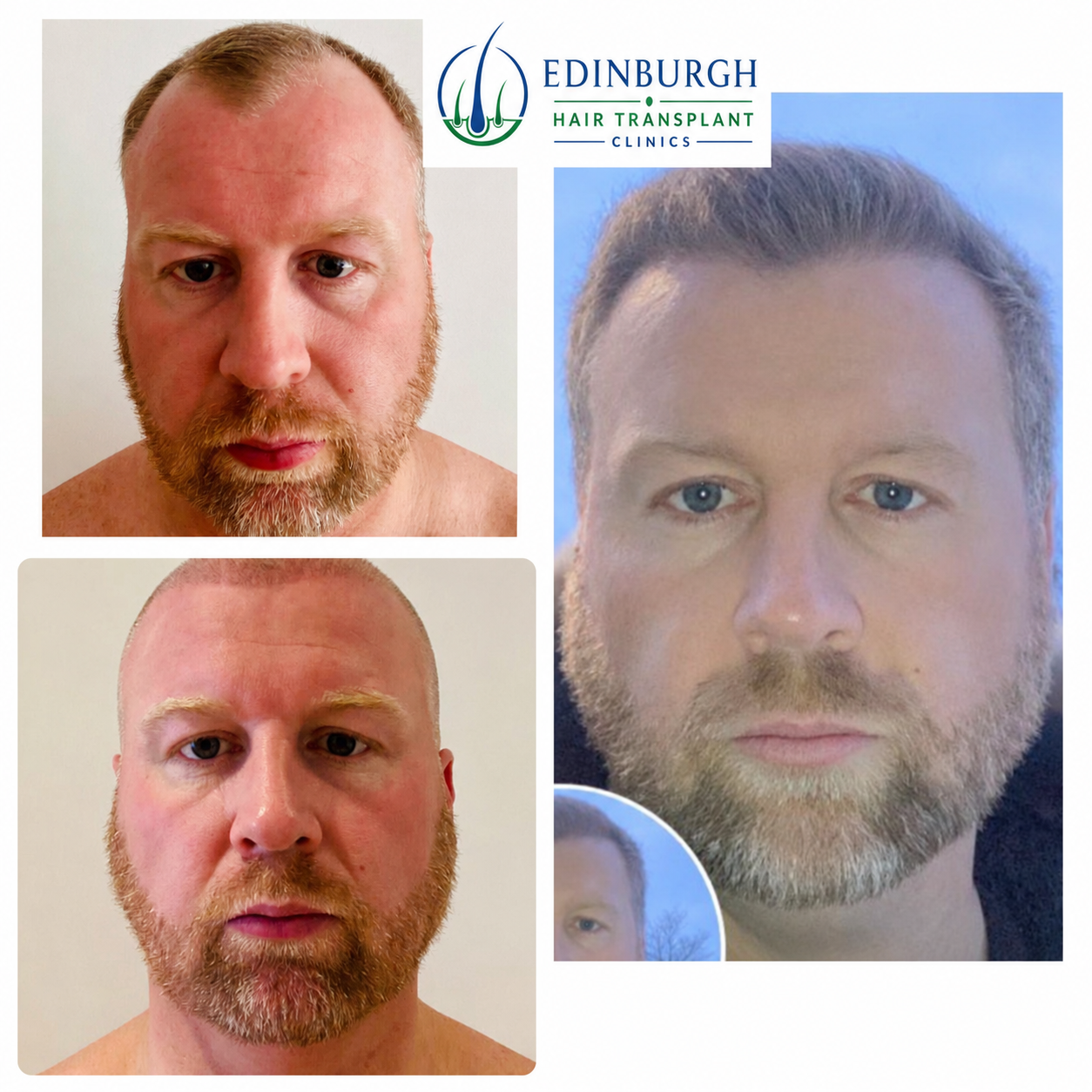
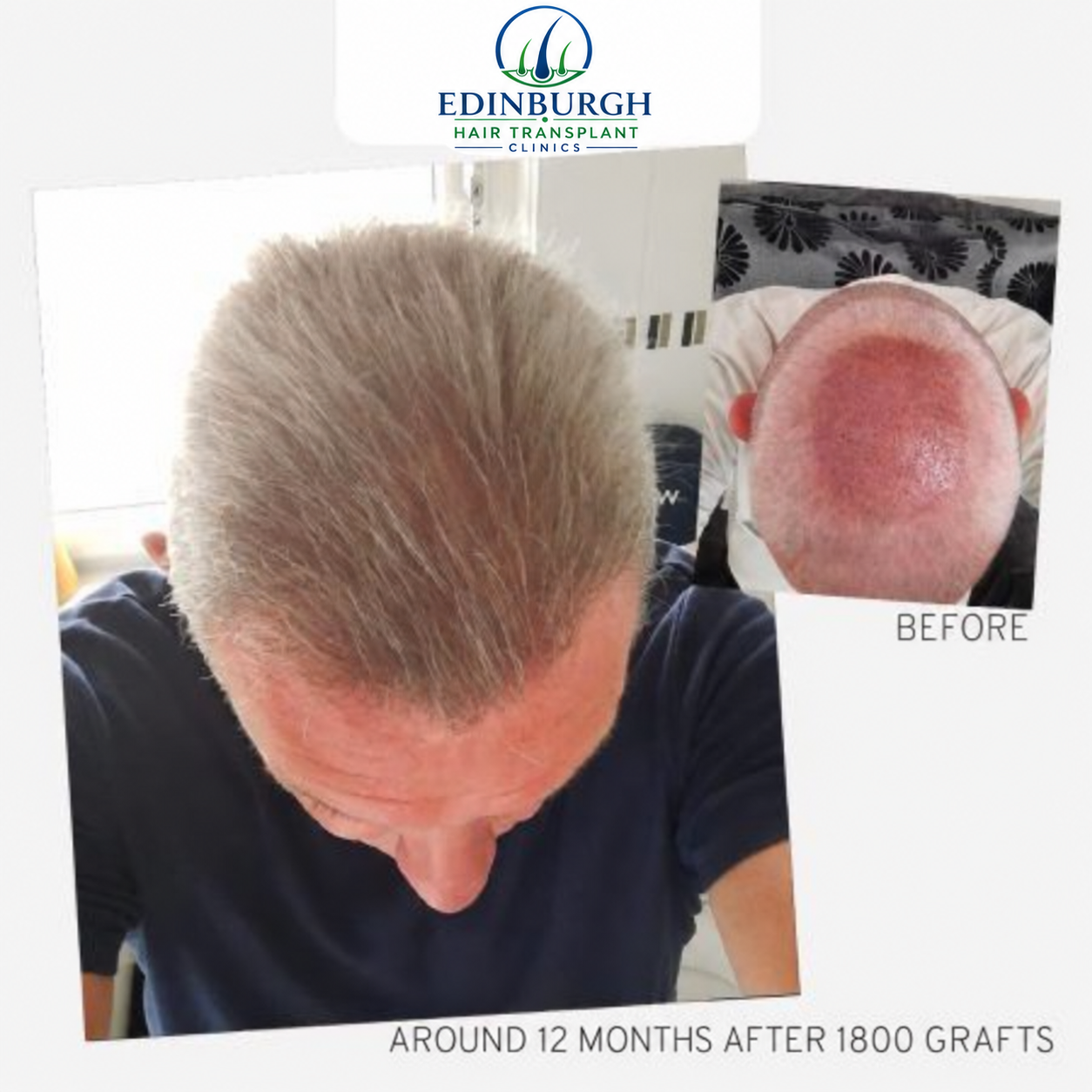
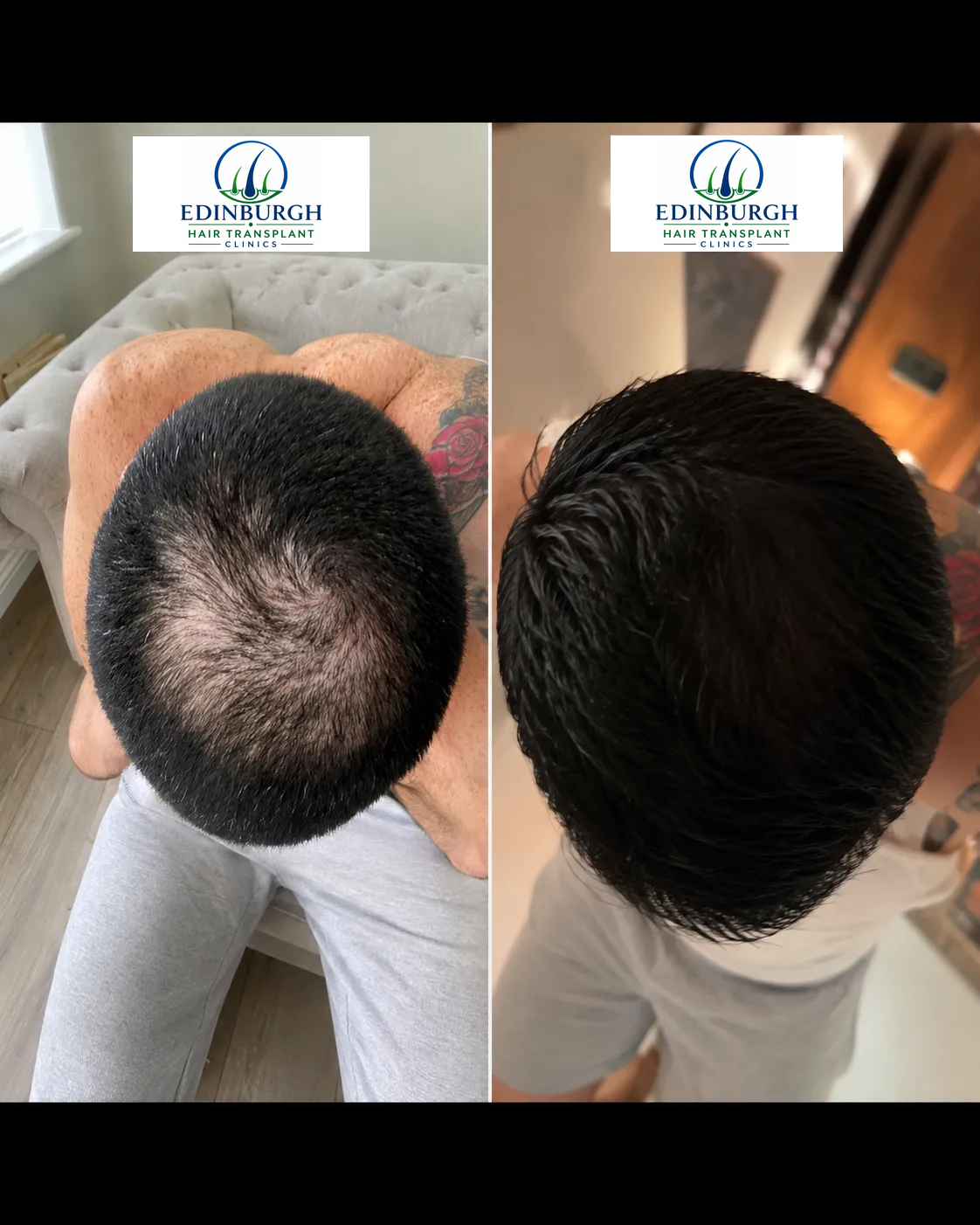
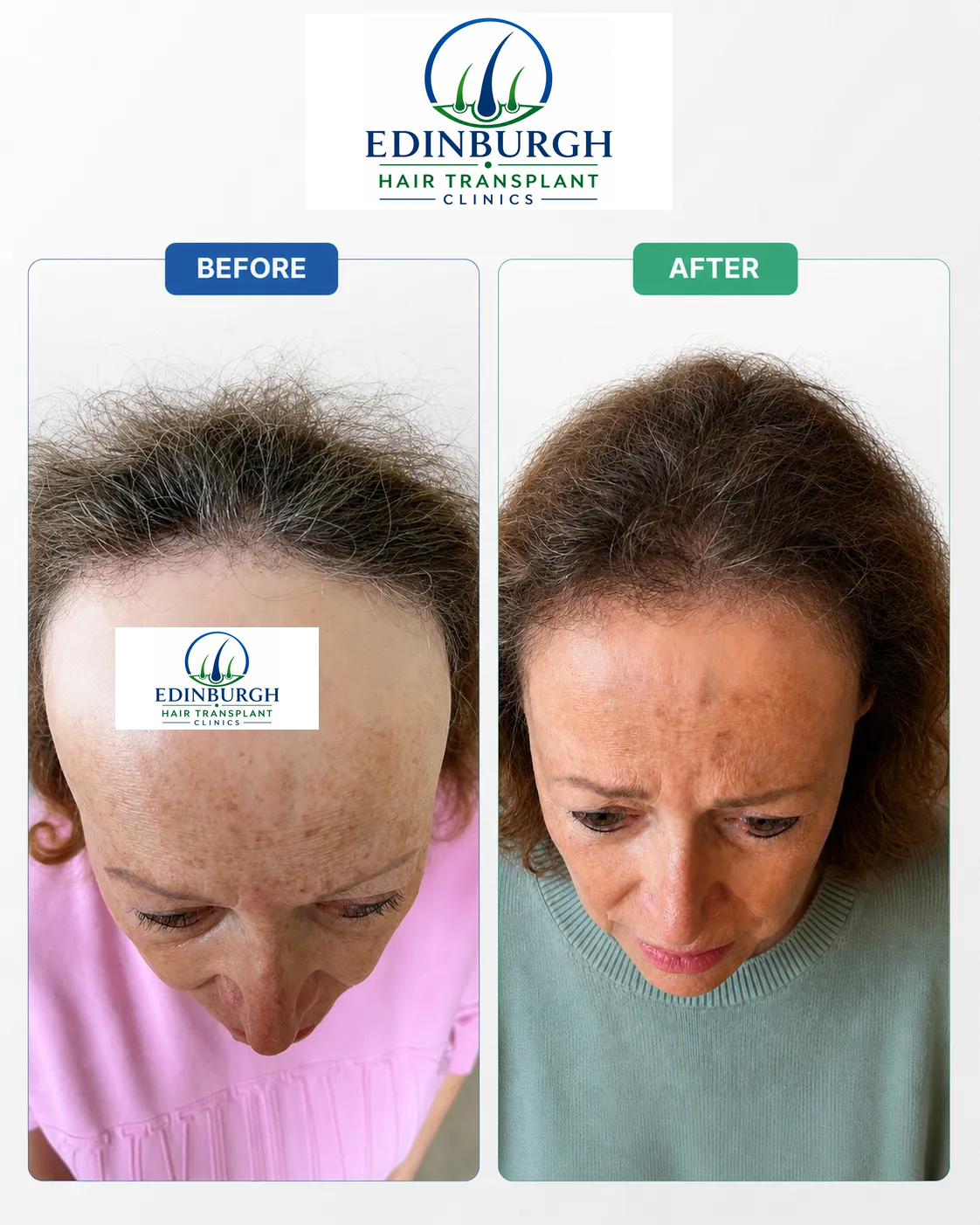
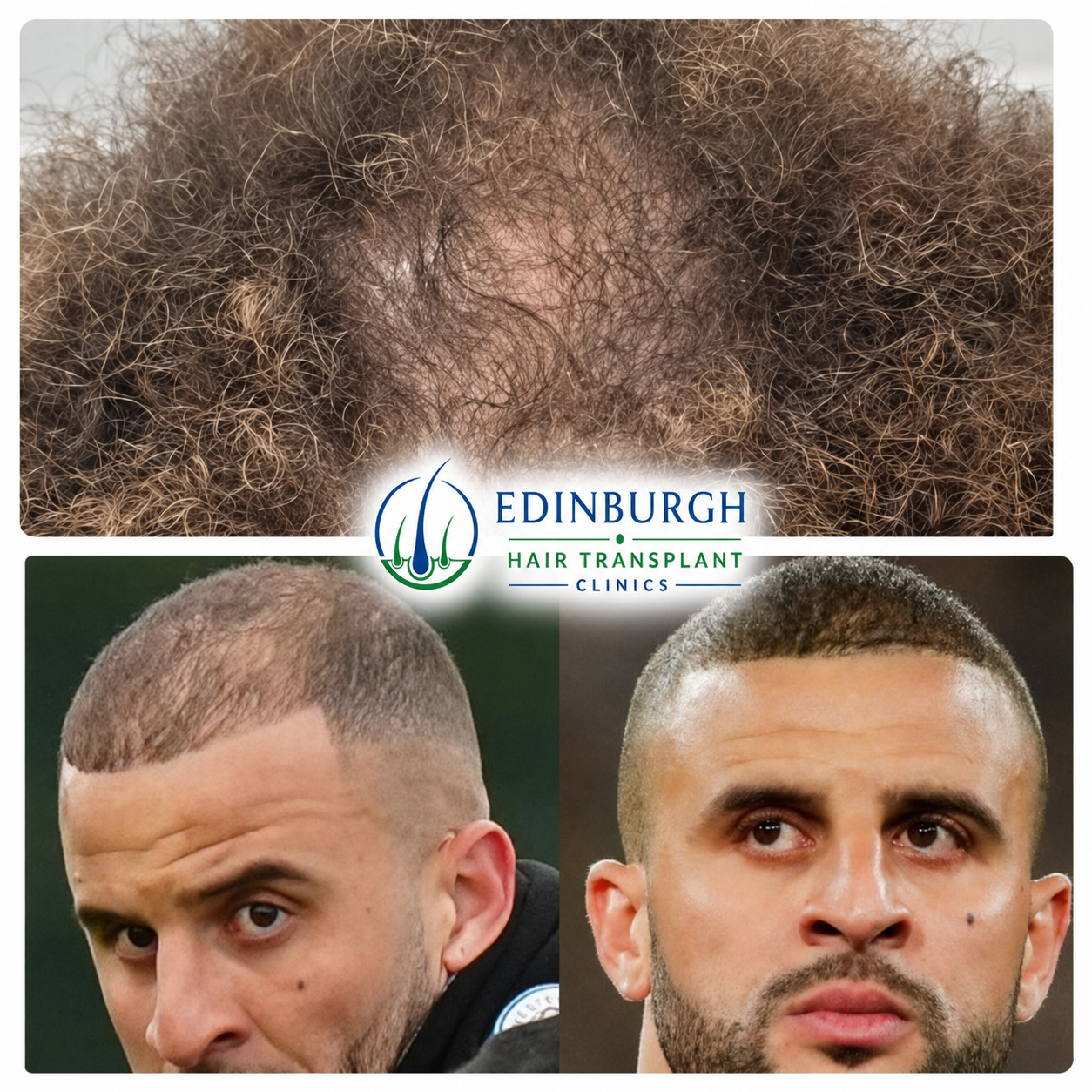
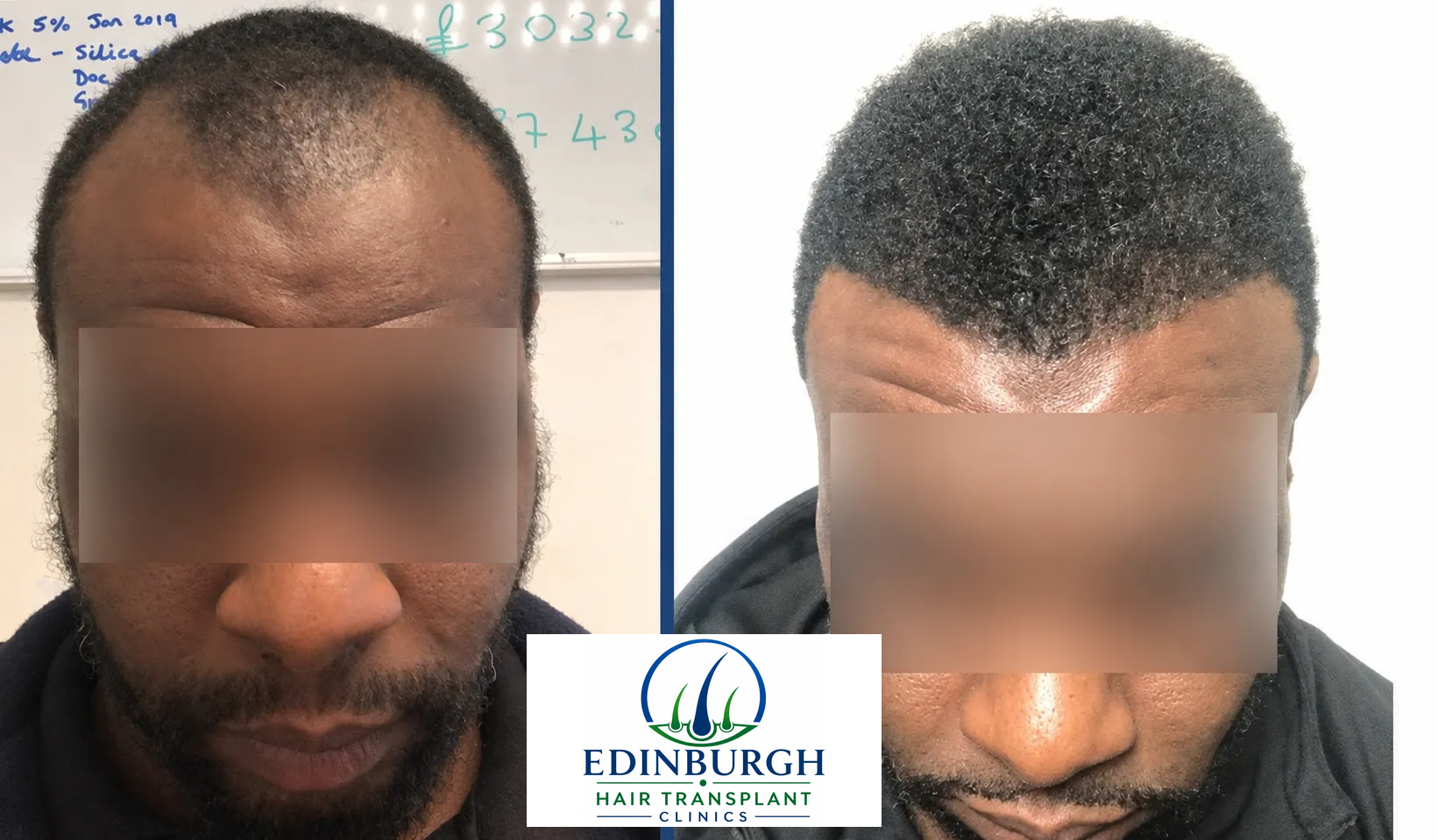
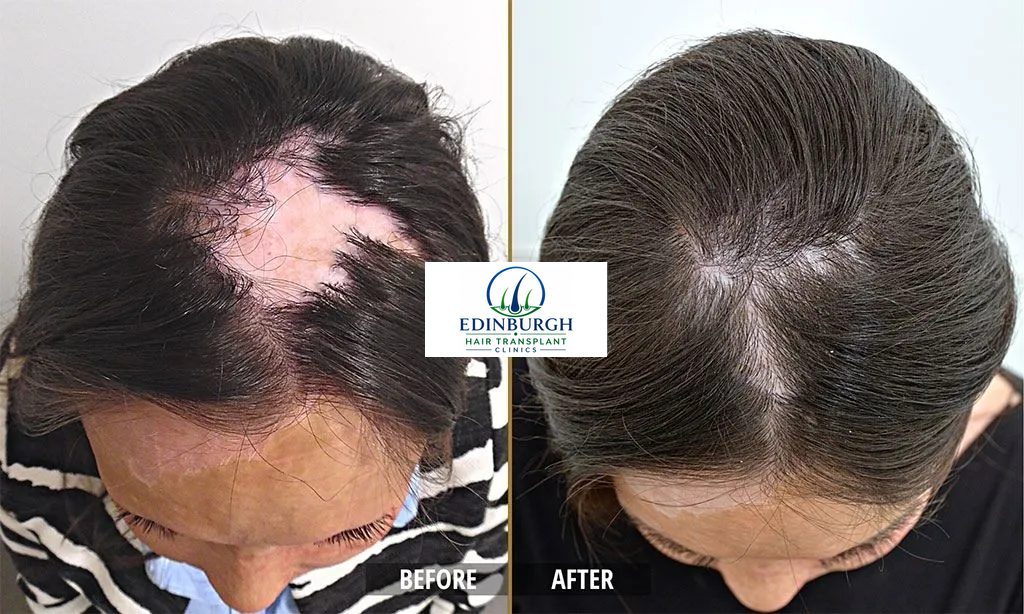
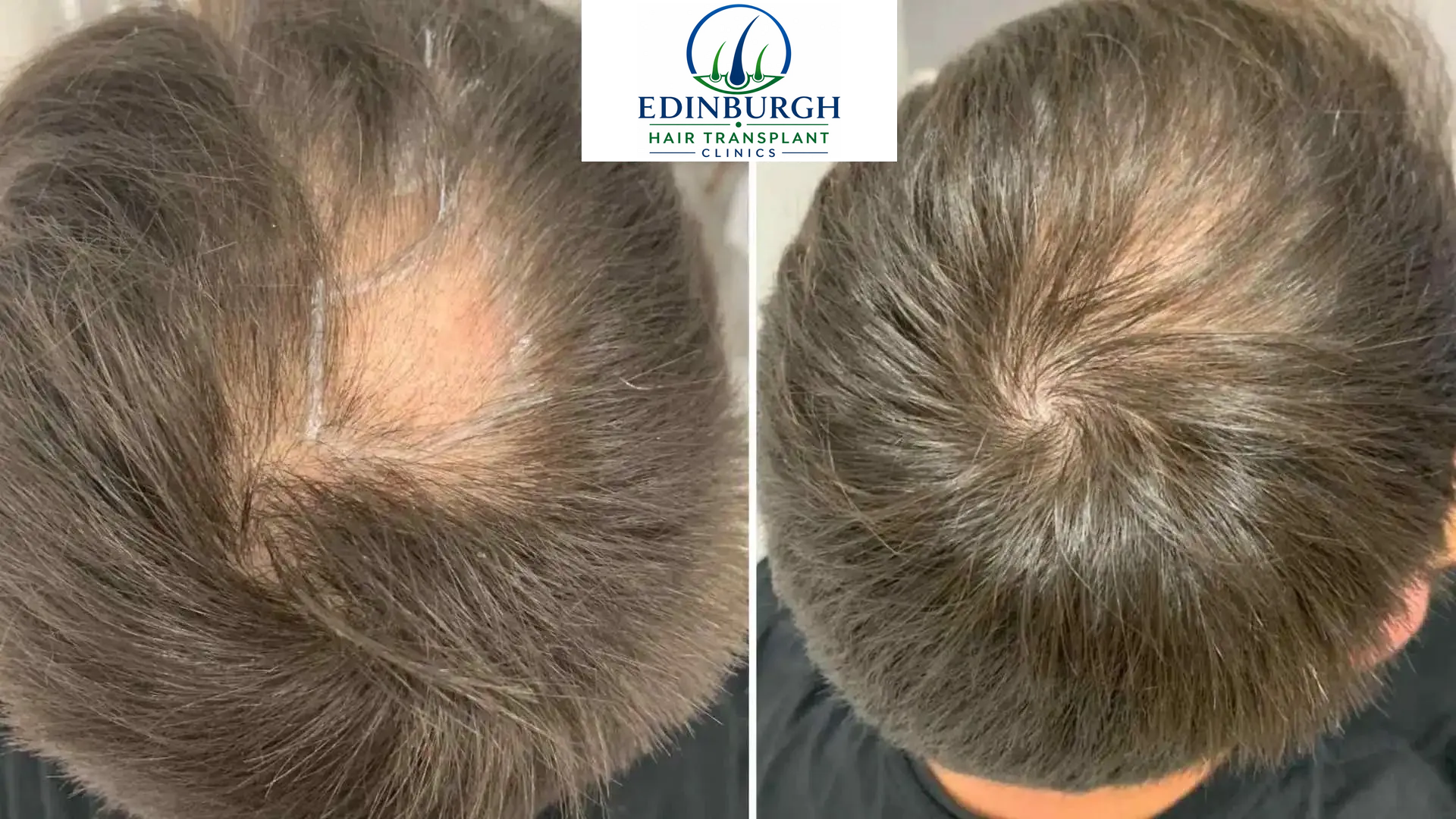
In the Edinburgh clinic’s patient gallery, look for the treatment area and the interval since surgery in each caption. A scalp photograph cannot show you how an eyebrow lies. Ask for a healed brow example with a starting point like yours, ideally one photographed from the front and at an angle. A patient whose aim was to fill a scar may be a poor comparison for someone who wants fuller tails on both sides.
The first weeks and the months that follow
The skin and hair recover on different schedules. Early crusting can make a freshly placed line stand out. Some shafts may shed before new ones appear. Leave crusts alone and follow the instructions your own team gives you about washing, returning to exercise and using make-up around the eyes. For severe pain, worsening swelling or pus, contact the treating team promptly.
Use the clinic’s aftercare guide to prepare your questions, then get instructions specific to your brows before going home. Ask who will review photographs if you are worried between visits and when the team wants to see you in person. Once the brow is comfortable and the new hairs are established, the next review can focus on the way they actually sit.
Questions and answers
Would I need a salon appointment for every trim?
That depends on your comfort with grooming near your eyes and the shape you prefer. Once the clinic clears you to groom, ask for a demonstration. If you choose a brow stylist, explain which hairs are transplanted and what the clinic advised.
Why does one transplanted hair reach the edge faster?
The hairs may emerge at different times, have different growth rates or sit at different points along the border. Compare their starting points as well as their tips. Your clinic can show you what is within the expected range at your own review.
What would be useful to take to my first appointment?
Bring a clear photograph without make-up, one showing the brows as you normally wear them and any older image that shows how they have changed. When you contact the Edinburgh clinic, mention any previous brow procedures or scars so the team can tell you what information to bring.
Photograph
Portrait of Chrissy Teigen at the NBC Upfront, May 2019, two years before her procedure. Adweek via Wikimedia Commons · CC BY 3.0.